Prisons as Incubators of Drug Craving? How Incarceration Worsens Addiction Outcomes
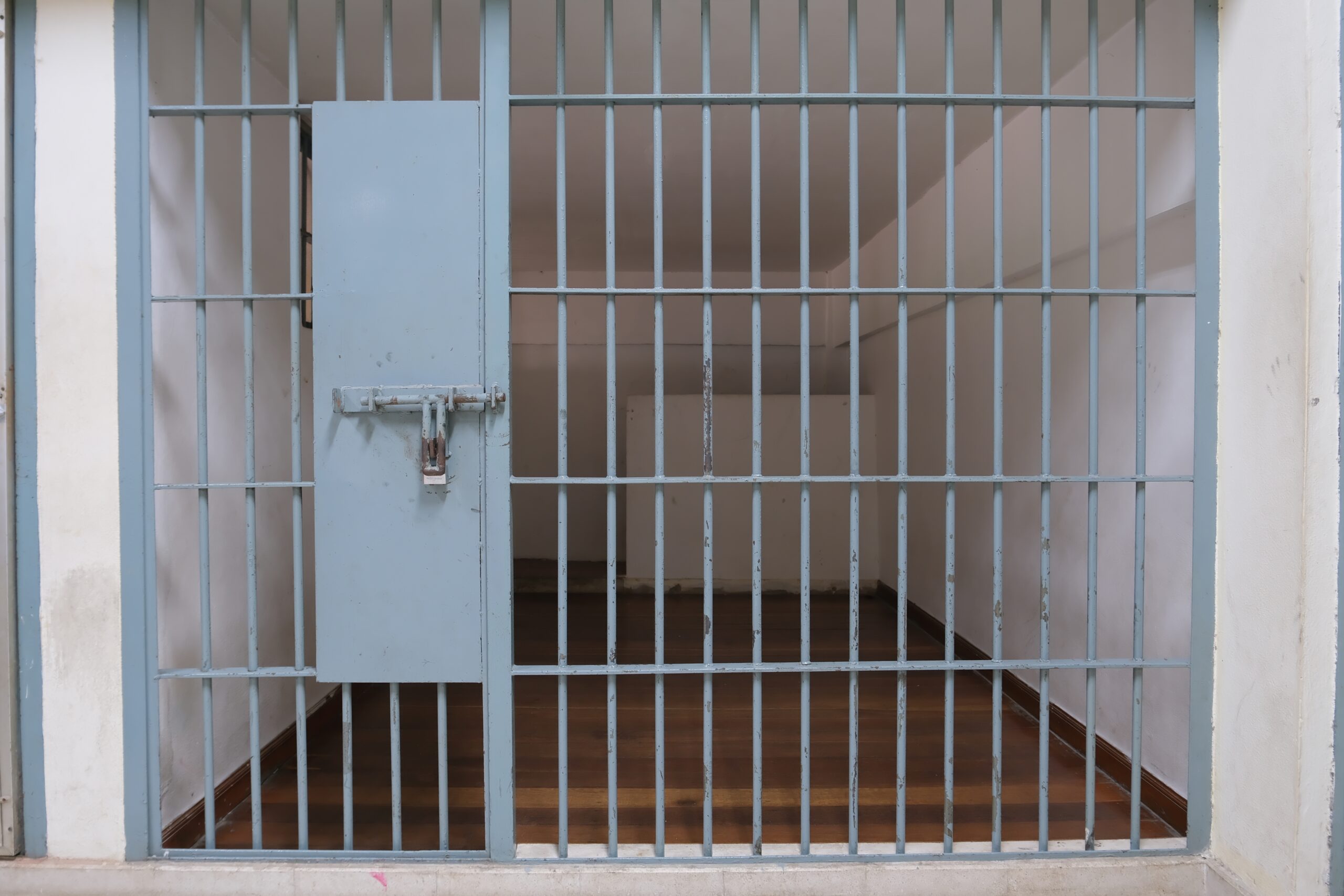
The United States is a global leader in mass incarceration. It holds nearly 2 million Americans in prisons and jails, and it costs a whopping $445 billion annually to do so. About 65 percent of people in American prisons have an active substance use disorder (SUD).
Published
Author
Share
The United States is a global leader in mass incarceration. It holds nearly 2 million Americans in prisons and jails, and it costs a whopping $445 billion annually to do so. About 65 percent of people in American prisons have an active substance use disorder (SUD).
For inmates with an SUD, incarceration usually means immediate, forced abstinence. This might sound like a good thing; isn’t the best way to help an addict to stop their access to the drugs to which they are addicted?
The answer, it turns out, can get complicated. Forced abstinence means forced withdrawal symptoms. Depending on the specific SUD, symptoms can include anxiety, irritability, tremors, lethargy, fatigue, or digestive complications. Moreover, neuroscience research on addicted brains makes clear that addicted brains cannot just return to normal after an abrupt cut-off from drugs. Restoration of brain function takes time. Brains need help as they recover from drug addiction, and inmates have a legal right to access appropriate treatment.
So long as inmates are not actively using illicit substances, their SUDs are disabilities under the law. Therefore, carceral facilities cannot deny them reasonable access to medical treatment under the American with Disabilities Act. Treatment during withdrawal can include sedatives to treat anxiety or tremors, anticonvulsants to prevent seizures, or various medications to treat digestive complications. Furthermore, two federal district courts have ruled that a failure to treat acute drug withdrawal can amount to cruel and unusual punishment under the 8th Amendment (Hernandez v. County of Monterey; Gonzalez v. Cecil County). Acute withdrawal lasts a few days in most cases and is sometimes deadly without medical supervision. The road to recovery continues long after acute withdrawal, and carceral facilities fall desperately short of treating and mitigating SUD outcomes. In many parts of the country, fewer than 10 percent of inmates will actually receive adequate treatment.
Drug education or counseling programs are widely available, but ineffective in reducing future substance use or relapse without medical treatment. Medication gets much better results. For example, treating chronic opioid use disorder with medication significantly reduces use, overdose, and reincarceration. Despite relatively lofty budgets, less than half of jails distribute any of those medications (buprenorphine, methadone, or naltrexone), often held back by staffing shortages and stigma surrounding substitution therapies. Moreover, there are no FDA-approved medications that reduce drug seeking in other SUDs, and research funding to pursue them is often on the chopping block. These systemic failures translate to a staggering increase in post-release overdose deaths.
An overlooked aspect of the incarceration experience for inmates with SUDs is drug craving, a strong urge to continue substance use. Craving was recently added as a DSM-V diagnostic criterion for SUD diagnosis and subjective reports of craving are among the most reliable predictors of future drug use and relapse. Stress, chronic pain, or cues related to the drug experience can also contribute to cravings. A drug-related cue is any object or image that is associated with the substance use experience – like a lighter or glass pipe for someone who prepares injectable heroin or smokes crack cocaine.
One might think that craving would just get better with time, and indeed this is what many patients report. But some research indicates that vulnerability to drug-related cues during abstinence gets worse before eventually improving. Modern brain imaging studies have found that the brains of patients contending with methamphetamine or cocaine use disorders responded more powerfully to drug-related cues when they were several months into abstinence, as compared to just days or even one year into abstinence. Neuroscientists call this “incubation of craving.”
The concept of incubation is not fully understood. Importantly, patients with opioid use disorder may not incubate cravings at all. Future research, including studies using app-based technologies, will improve researchers’ ability to capture momentary assessments of craving and should help paint a clearer picture.
So, what should the criminal justice system do?
If the evidence of incubation of craving holds, it should have important implications for criminal sentencing of defendants with SUDs. Namely, courts should be mindful of withdrawal, craving, and treatment needs when sentencing offenders of simple drug possession crimes:
- Courts that aim to directly influence a defendant’s recovery should prefer probation over incarceration; the latter cedes control of recovery processes to carceral facilities, which often lack adequate resources to help inmates overcome addiction. A growing body of research suggests probation paired with treatment produces better SUD and re-offense outcomes and is cheaper than incarceration.
- Courts should acknowledge that relapse is common in SUDs.
- Courts should recognize that craving intensity can fluctuate over time. Thus, some defendants may benefit from additional counseling, treatment, or interactions with probation officers during periods of vulnerability.
- Courts should reconsider whether abstinence is an appropriate condition of probation for those with SUDs, and whether relapse events should be treated as willful violations of probation or a compulsive, symptomatic, and hallmark feature of SUD.
Local communities bear the brunt of failed SUD systems through costs of increased policing, emergency room treatment, loss of productivity, and loss of life. Hidden from most loss estimates are the opportunity costs of those failed interventions. Courts have a vital role in the national healing of communities affected by SUDs, but progress requires acknowledging that certain justice-based interventions can actually make matters worse.