Bioethics
How to Assess the Impact of Medical Ethics Education
Here, I consider ways to assess the impact of ethics education on real-world decision making.
How to Assess the Impact of Medical Ethics Education

Author
Here, I consider ways to assess the impact of ethics education on real-world decision making.
Medical students spend a lot of time learning about conditions they will likely never treat. This has negative implications for patient care.

An overview of how ethics courses became a key component of medical education and what we know about their results.

Now is a pivotal time for the American Medical Association to reconsider its aggressive scope of practice lobbying.

We should strive to create an academic culture where researchers consider a project’s likely impact on the world when deciding what to work on.
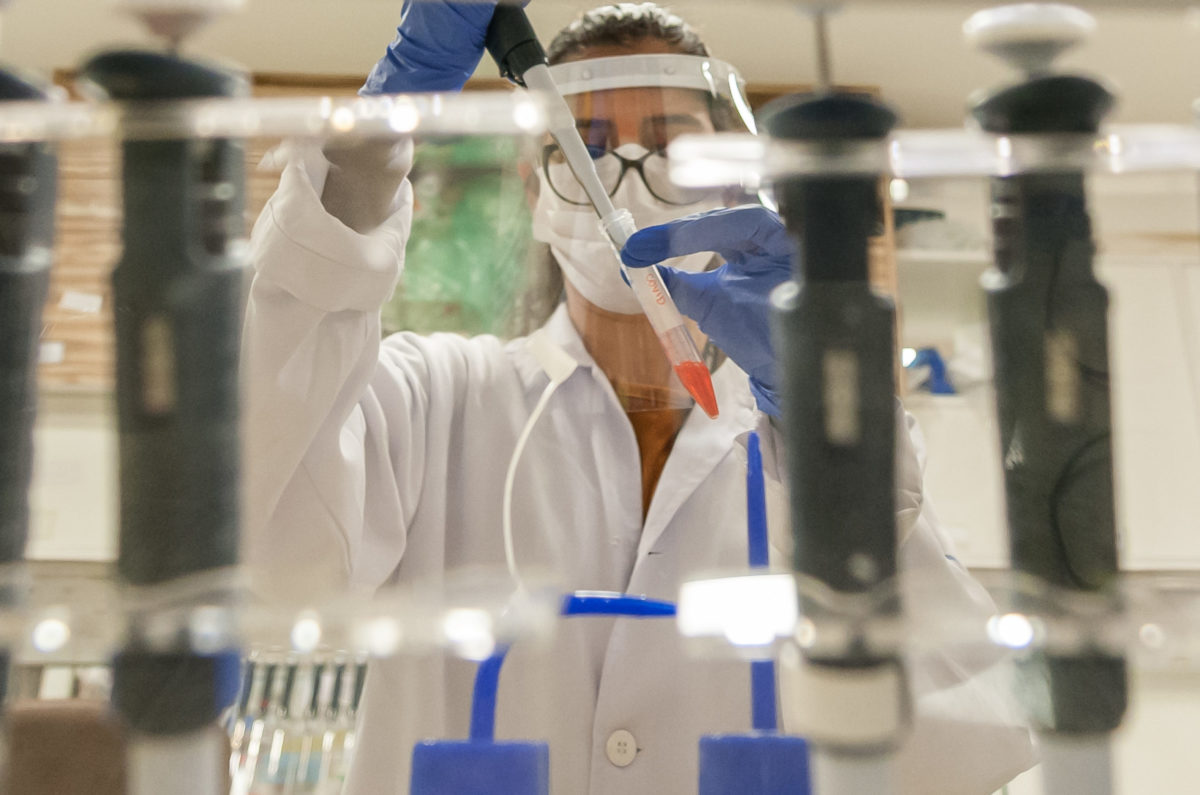
Simply providing ethics training to health professions students does not ensure that they will make more ethical decisions in practice.

Today, the average medical student graduates with more than $215,000 of debt from medical school alone.

The financial barriers associated with becoming a bioethicist make the field less accessible, undermining the quality and relevance of bioethics research.

As the NIH prepares for a massive influx of funding, it must follow through on its commitment to address health research funding disparities.
Clinicians across medical settings commonly euphemize or understate pain, which has concerning implications for patient trust, consent, and care quality.