Bans on Assault Weapons Reach the U.S. Supreme Court
The American Medical Association declared gun violence a “public health crisis” in 2016. In June 2024, then U.S. Surgeon General, Dr. Vivek Murthy, took a significant stand on the relationship between public health and gun violence by issuing the first ever advisory opinion declaring gun violence a national public health crisis.
Published
Author
Share
The American Medical Association declared gun violence a “public health crisis” in 2016. In June 2024, then U.S. Surgeon General, Dr. Vivek Murthy, took a significant stand on the relationship between public health and gun violence by issuing the first ever advisory opinion declaring gun violence a national public health crisis. Among Dr. Murthy’s recommendations: “Ban assault weapons and large-capacity magazines for civilian use.” The Trump Administration removed the advisory opinion in March 2025, as a result of President Trump’s Executive Order “Protecting Second Amendment Rights” issued on Feb. 7, 2025.
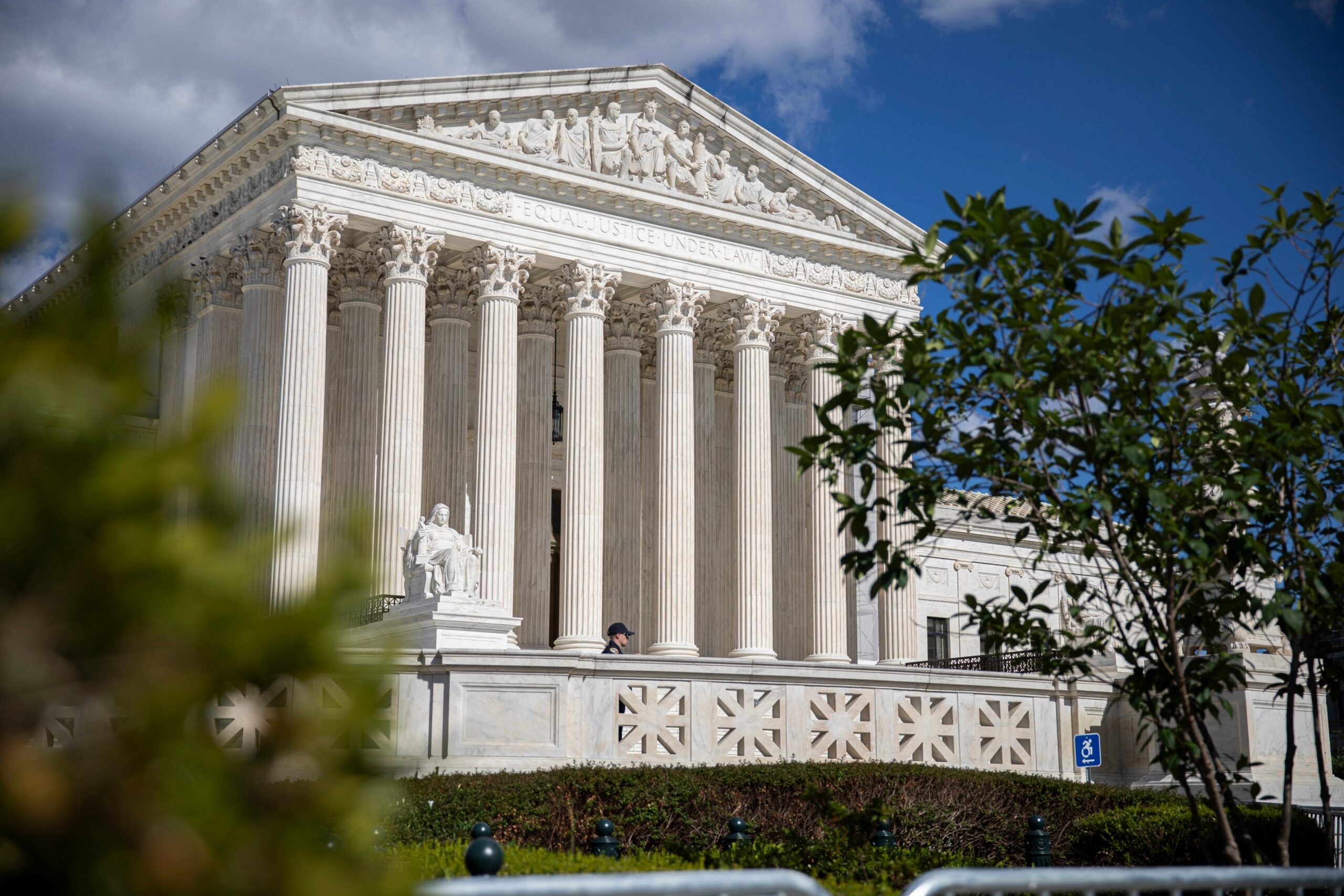
The U.S. Supreme Court will weigh in on this debate of public health v. individual gun rights once again when it hears Viramontes v. Cook County this 2026-27 term which also combine Grant v. Higgins. In these consolidated cases, the challenges involve state and local legislative bans that have been placed on assault weapons.
The U.S. has already seen approximately 343 mass shootings as of late September 2026. Research indicates that despite extensive media attention, mass shootings are actually quite uncommon. But the complexity of defining “mass shooting” and lack of consistency definitionally suggests that our understanding of what they actually mean may be incomplete. How research incorporates (or not) both location and motivation of the shooter can impact incidence. Currently, there is no federal database to specifically capture mass shooting incidence other than the FBI’s Supplementary Homicide Reports (SHR) database. As the RAND Corporation summarized, “This ambiguity makes it difficult to draw firm conclusions about how incidents have changed over time or how that information should be used as we try to understand the determinants, costs, and policy implications of mass shootings.”
Research from the time period of 1982-2026 on mass shootings demonstrates that handguns have been the weapon of choice involving mass shootings with 170 different handguns used in a total of 120 mass shooting incidents. However, other research demonstrates a correlation between the use of assault weapons and deadlier outcomes in mass shootings with a minimum of one assault weapon and a high-capacity magazine in each of the deadliest mass shootings from 2016 and beyond.
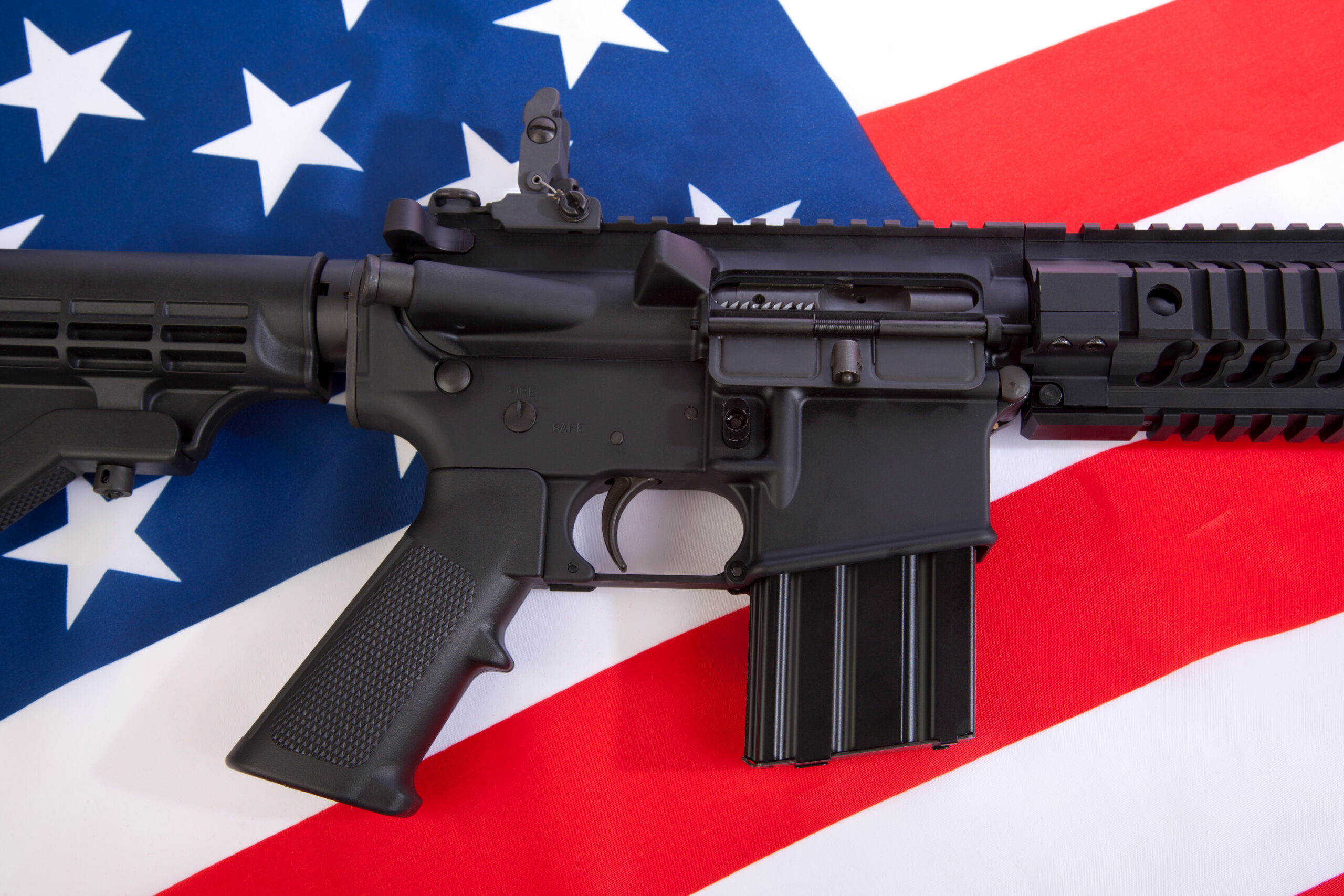
From 1994-2004, a federal assault weapons ban, Title XI of the Federal Violent Crime Control and Law Enforcement Act of 1994, commonly referred to as the Crime Control Act of 1994, existed but expired. Research demonstrated it saved lives. States began to respond in the absence of a federal ban through legislation. As of 2026, 10 states and the District of Columbia have passed legislative bans limiting access to AR-15s with various definitions of “assault weapons.” As of May 2026, Virginia became the 16th state to have regulations on AR-15s generally.
The U.S. Supreme Court will hear challenges involving legislative bans that have been placed on assault weapons in Cook County, Illinois, and Connecticut as the nation’s highest court will determine if these restrictions violate the Second and Fourteenth Amendments.
The first appeal in Viramontes v. Cook County comes out of Illinois where the 7th Circuit Court of Appeals upheld a dismissal of a Second Amendment constitutional challenge. The Second Amendment challenge to Cook County’s assault weapons ban was brought against under the U.S. Supreme Court precedents of District of Columbia v. Heller, and New York State Rifle & Pistol Association, Inc. v. Bruen. The Seventh Circuit relied on its own precedent in which a similar Second Amendment challenge occurred to both state and local assault weapon bans including the same Cook County ban at issue. The Seventh Circuit relied on its application of the Bruen standard that examines history and tradition of firearms regulation in the U.S. when a firearm regulation implicates the Second Amendment. While the Bruen test does not require current regulation to be identical to a firearm regulation from the past, it does have to be similar to justify a regulation in our modern times. The Seventh Circuit determined in Bevis that the evidence was insufficient to substantiate a Second Amendment claim, stating “the plaintiffs had failed to show, at the preliminary-injunction stage, that the covered firearms materially differed from machineguns and military-grade weaponry, which the Supreme Court instructed can be banned under the Second Amendment.” The Seventh Circuit again determined in Viramontes there was insufficient evidence to support the claim and application of the Bruen test as applied previously in Bevis. The Seventh Circuit ruled once more in Cook County’s favor to uphold the assault weapons ban.
Grant v. Higgins involves a similar assault weapons ban that was passed in Connecticut in 2023 in the wake of the tragic events of Sandy Hook Elementary School “where a gunman armed with an AR-15 style rifle murdered 20 children and six educators in under five minutes” as the Connecticut Attorney General’s Office explains and plans to vigorously defend as being consistent with traditional/historical regulation of firearms consistent with the Second Amendment. The Second Circuit Court of Appeals upheld the Connecticut ban determining the petitioners failed on the merits, articulating that Connecticut’s regulation passed muster under the Bruen test, “The challenged Connecticut laws, which impose targeted restrictions on unusually dangerous weapons while preserving numerous legal alternatives for self-defense and other lawful purposes, are consistent with our Nation’s historical tradition of regulation of such weapons. We additionally conclude that Plaintiffs have not demonstrated that the balance of equities and public interest tip in their favor.”
The U.S. Supreme Court will now examine the proper application of the Bruen test as applied to assault weapons bans. The New England Journal of Medicine reported in September 2026 that the number one death of children and adolescents remains firearm injury. The American Academy of Pediatrics supports bans on assault weapons given the impact of gun violence on this population. The public health of our nation deserves to be protected from incidence of gun violence. Individuals also have gun rights under the Second Amendment. This debate and where to draw these legal boundaries hangs in the balance of justice once more as the U.S. Supreme Court evaluates the constitutionality of assault weapons bans.