
New Zealand’s Response to the COVID-19 Pandemic
As of May 22nd, new infections have reduced to a trickle – there are often zero new cases per day, after weeks of being in the single digits.

As of May 22nd, new infections have reduced to a trickle – there are often zero new cases per day, after weeks of being in the single digits.
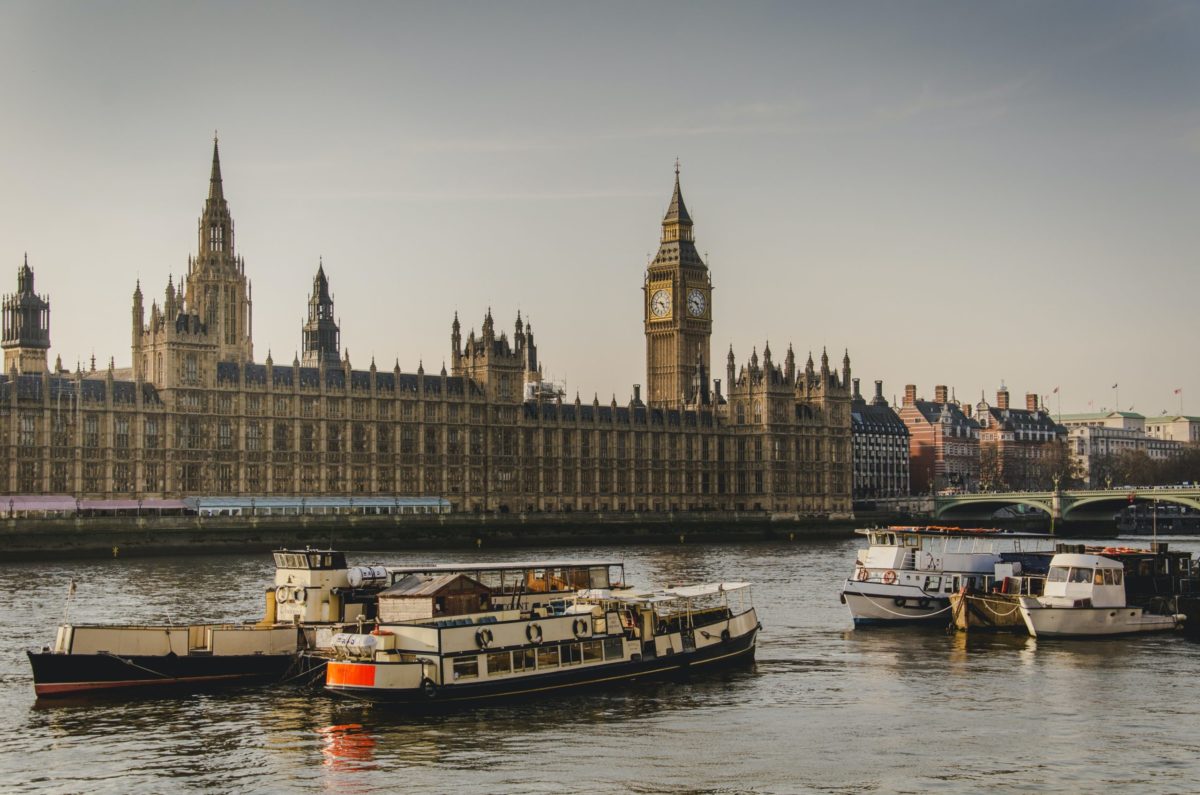
The measures taken in the U.K. to respond to the pandemic have been described as “almost certainly the most severe restrictions on liberty ever imposed.”
The negotiation of difference and its implications for freedoms and entitlements is the central legitimacy challenge in modern democracies.
While the mandatory isolation orders are quite broad, there are concerns about the effectiveness of the quarantine.
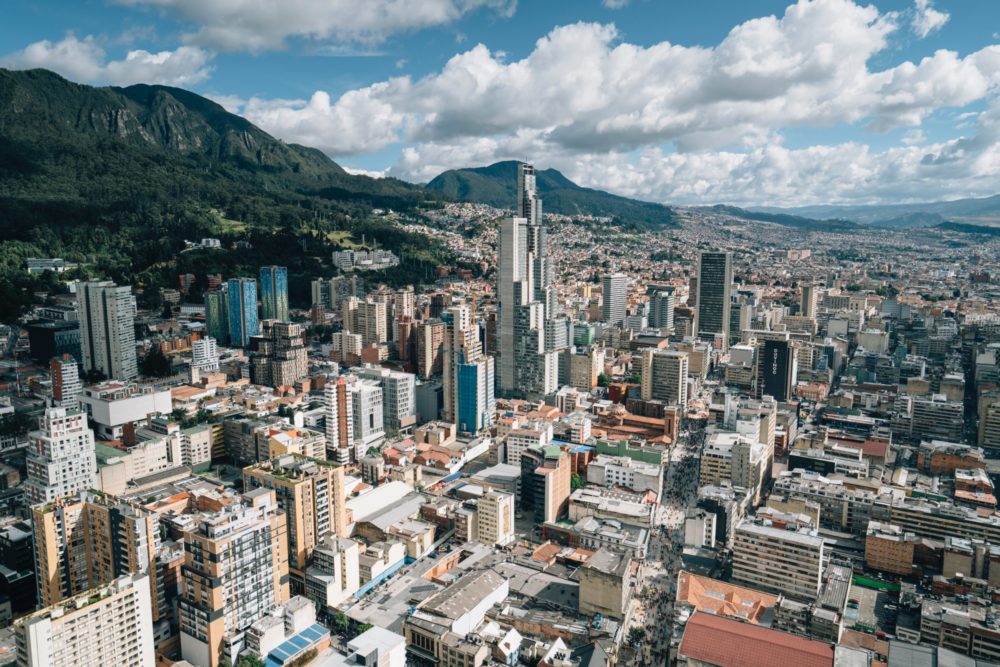
Kenya’s government has acted to address the pandemic through a number of measures that have also significantly curtailed constitutionally guaranteed rights.

As of May 20, 2020, Spain had the second highest per capita rate of COVID-19 deaths in the world, with 59.5 deaths per 100,000.

Testing, quarantine and contact tracing were employed to detect and prevent further transmission of the virus. Breach of orders was criminally punishable.

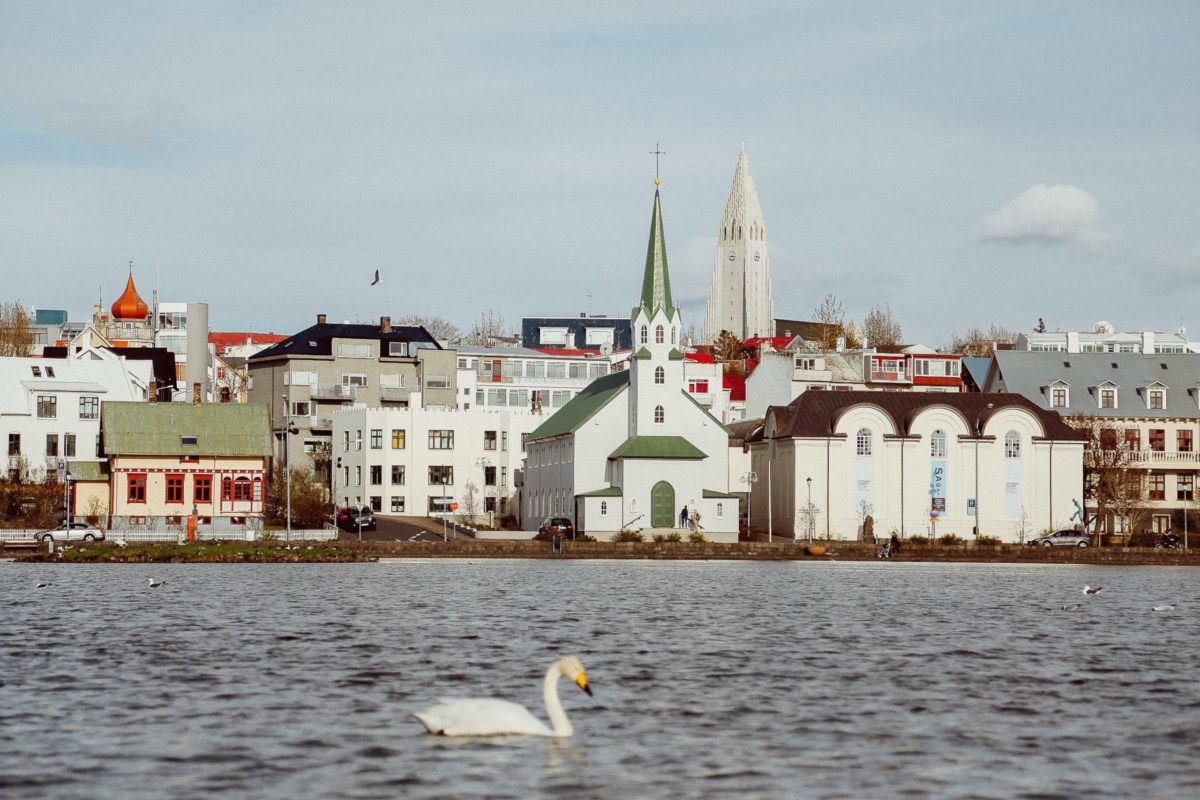
In the response to the COVID-19 pandemic, Iceland rolled out an extensive strategy, which has helped the country avoid the most drastic rights restrictions.
Testing, quarantine and contact tracing were employed to detect and prevent further transmission of the virus. Breach of orders was criminally punishable.

On March 18th, the Chilean government resolved, via an executive order, a state of constitutional catastrophe in response to the novel Coronavirus.
