

Judicial Dialogues on Health and Climate Change
OCT
29
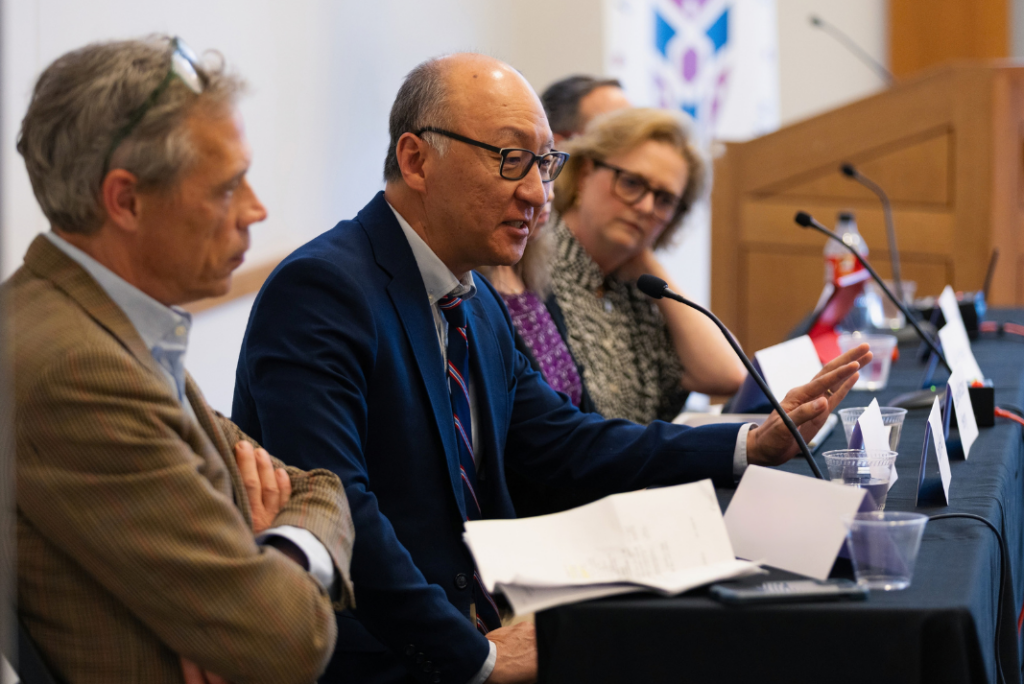
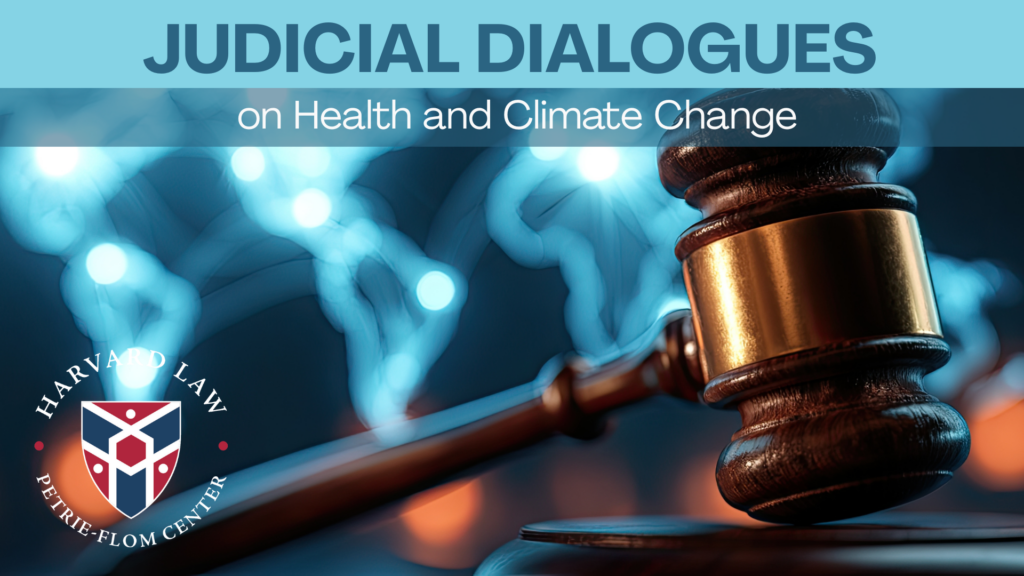
Centering emerging standards, comparative trajectories, and future directions, this full day conference will convene judges, litigators, and scholars.
Call for Abstracts: Generative AI in Health Care
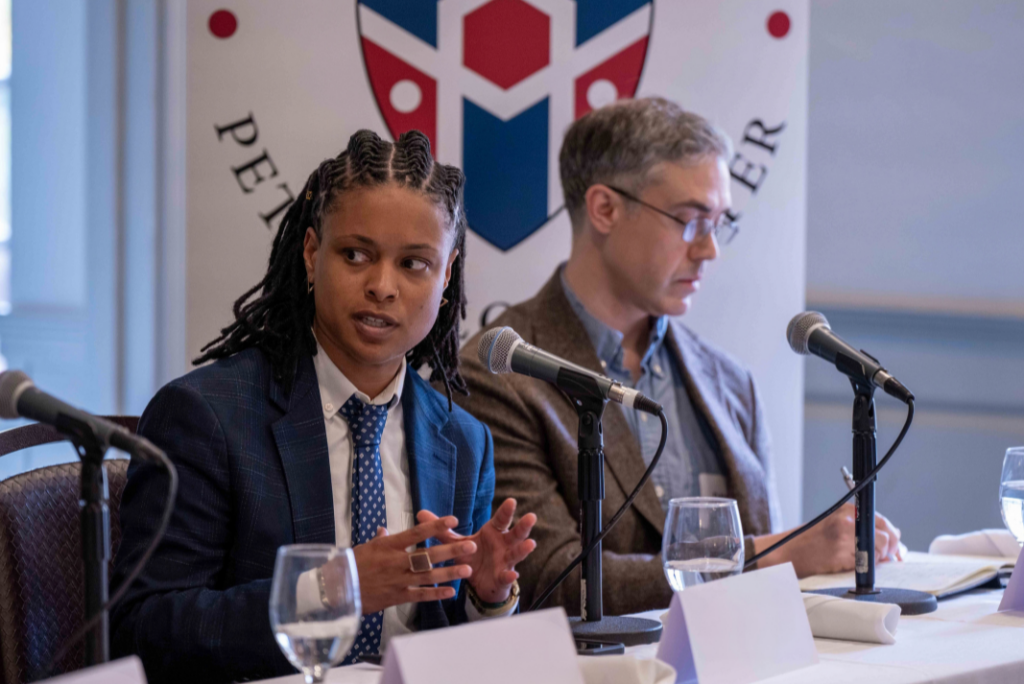
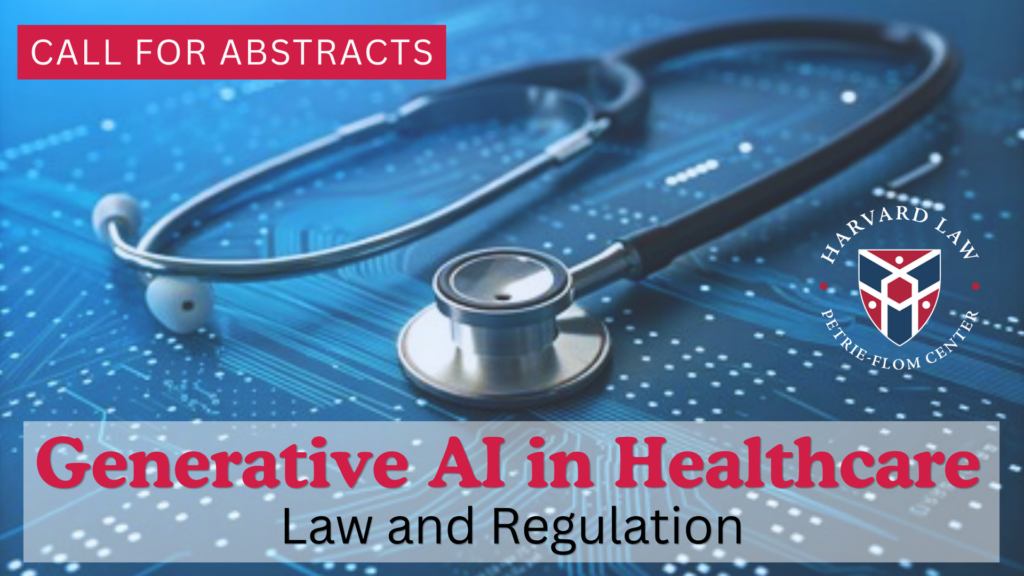
As part of our Petrie-Flom Center 2027 Annual Conference we seek papers that offer innovative perspectives and inventive approaches.
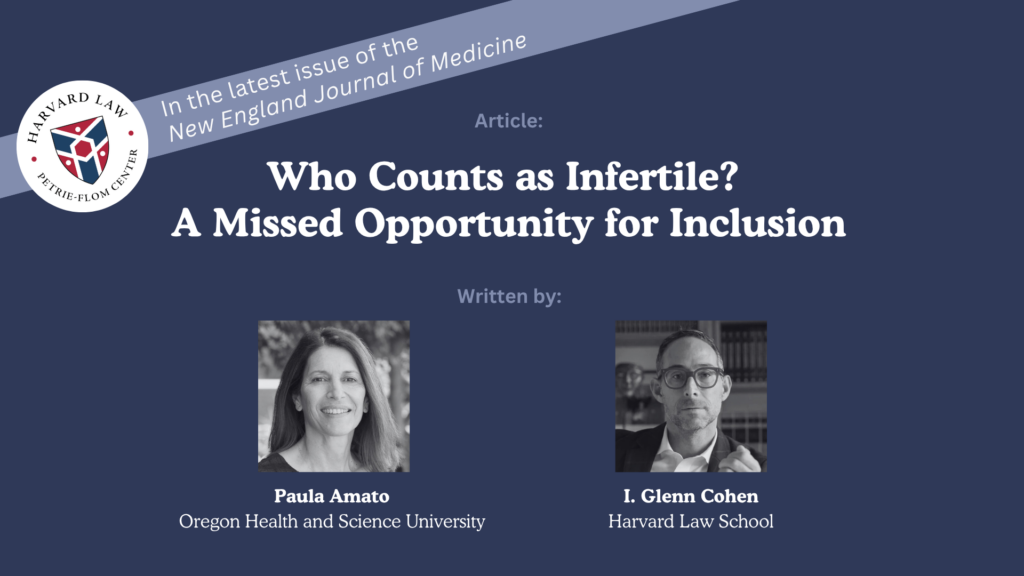
Who Counts as Infertile? A Missed Opportunity for Inclusion
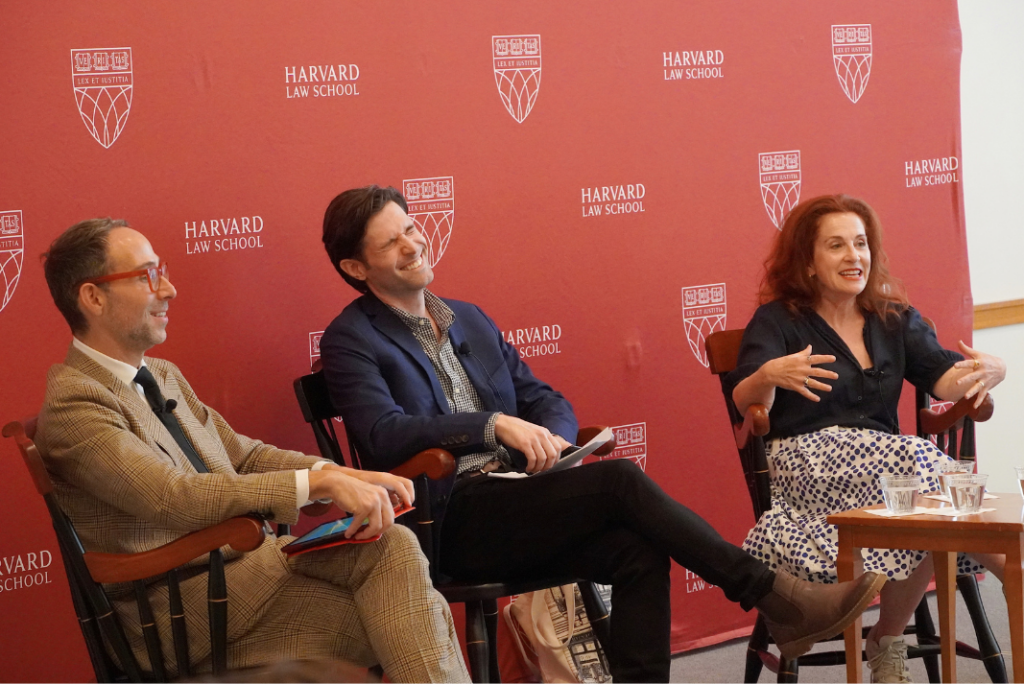
Faculty Director I. Glenn Cohen recently co-wrote a perspective in the New England Journal of Medicine addressing gaps in the World Health Organization’s (WHO) definition of infertility.
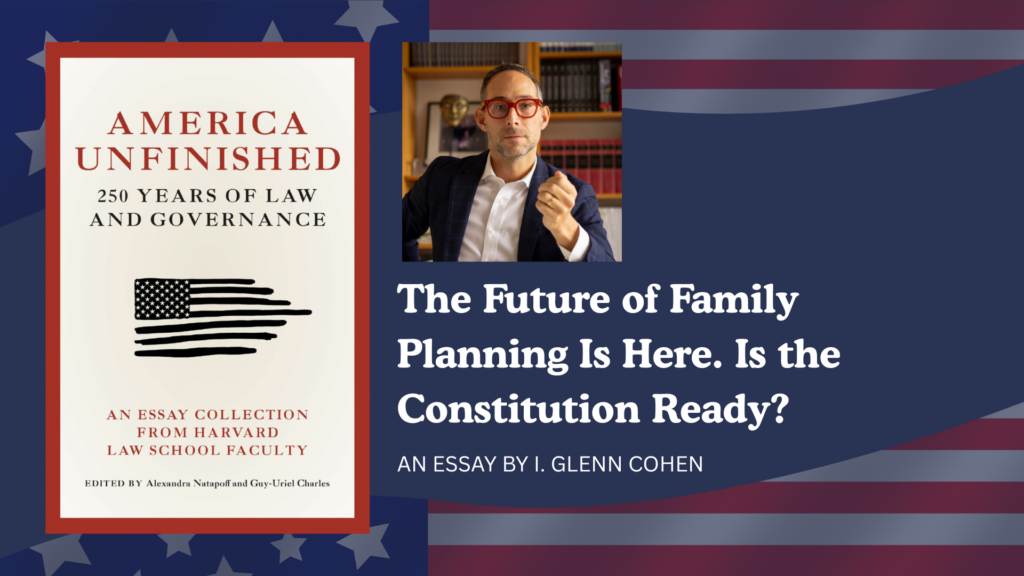
The Future of Family Planning Is Here. Is the Constitution Ready?
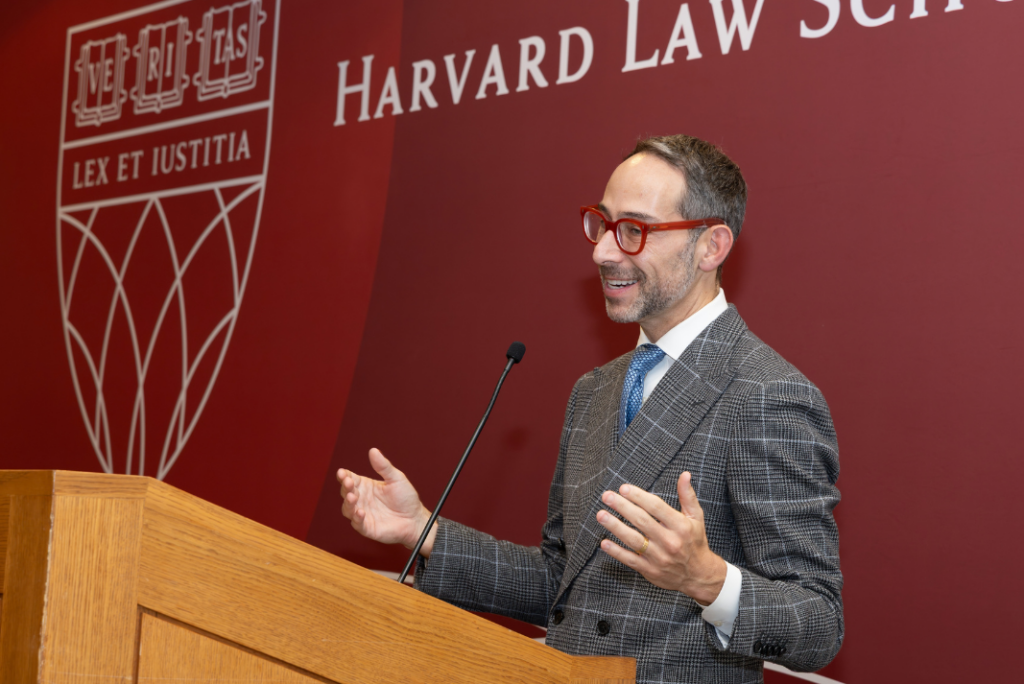
Published in the MIT Press Reader, Faculty Director I. Glenn Cohen writes about reproductive technology.
Newsletter
Get the latest news from the Petrie-Flom Center straight to your inbox with our biweekly newsletter.
Latest
-
Clinical AI Should Earn Its Autonomy the Way Doctors Do
Medicine has long had a way to decide when someone is ready to practice alone: supervise them until they have earned it. Health AI is still looking for its version of that process.

-
Call for Abstracts — 2027 Petrie-Flom Center Annual Conference: Generative AI in Healthcare: Law & Regulation
The Petrie-Flom Center for Health Law Policy, Biotechnology, and Bioethics at Harvard Law School is pleased to announce our 2027 Annual Conference, Generative AI in Healthcare: Law and Regulation. Generative AI –- artificial intelligence designed to produce output, such as text or images, that normally require human intelligence — has become a…

-
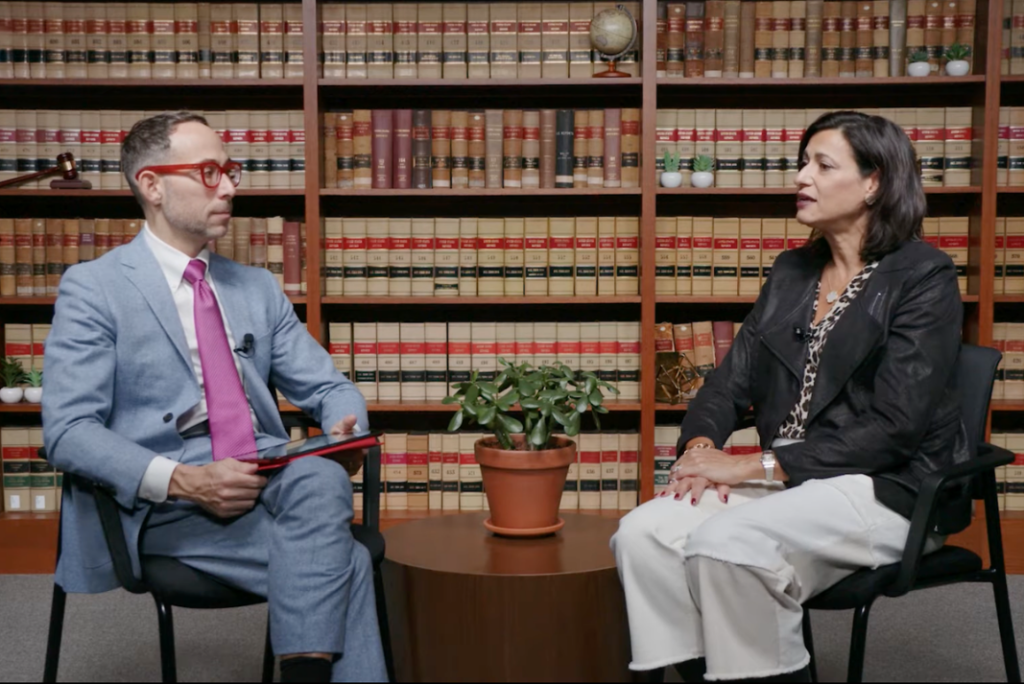
Judicial Dialogues on Health and Climate Change: An Interview With Alicia Ely Yamin
How can courts respond to the health impacts of climate change? On the occasion of a conference at Harvard Law School on 29 October 2026, sponsored by the Walter de Gruyter Foundation, we spoke with one of its conveners, Alicia Ely Yamin, about the right to health, climate change, and the role of judicial enforcement.

-
Can States Still Protect Public Health? The Risk of a Climate Regulatory Vacuum
On Oct. 5, 2026, the U.S. Supreme Court heard oral arguments in a case that has the potential to greatly impact state and local municipalities’ ability to fight widespread threats to public and environmental health.

-
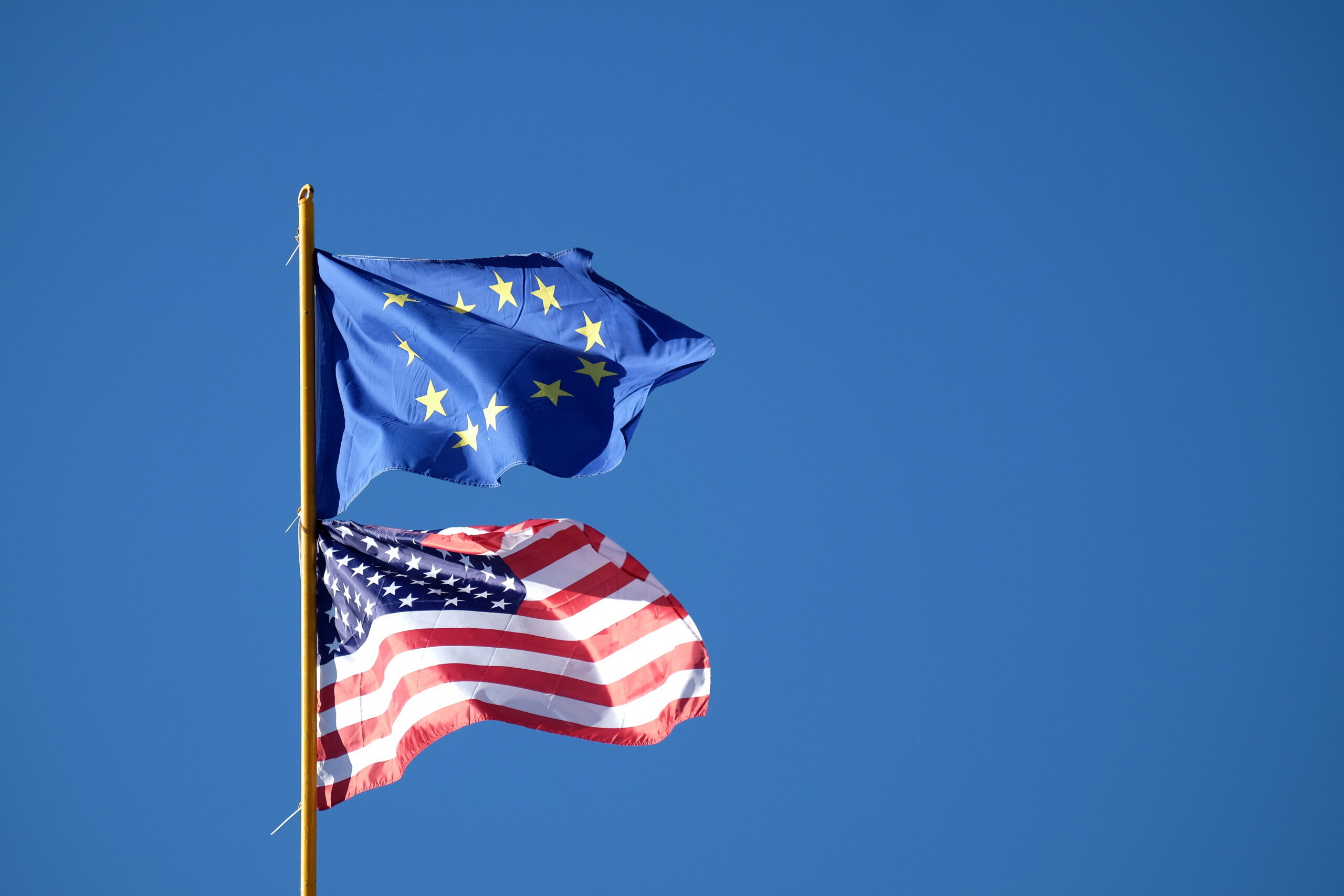
Clinical Trials May Need a Backup Plan for U.S.–EU Data Sharing
The Supreme Court’s June 2026 ruling in Trump v. Slaughter may affect how U.S. clinical trial sponsors receive long-term safety data from Europe.