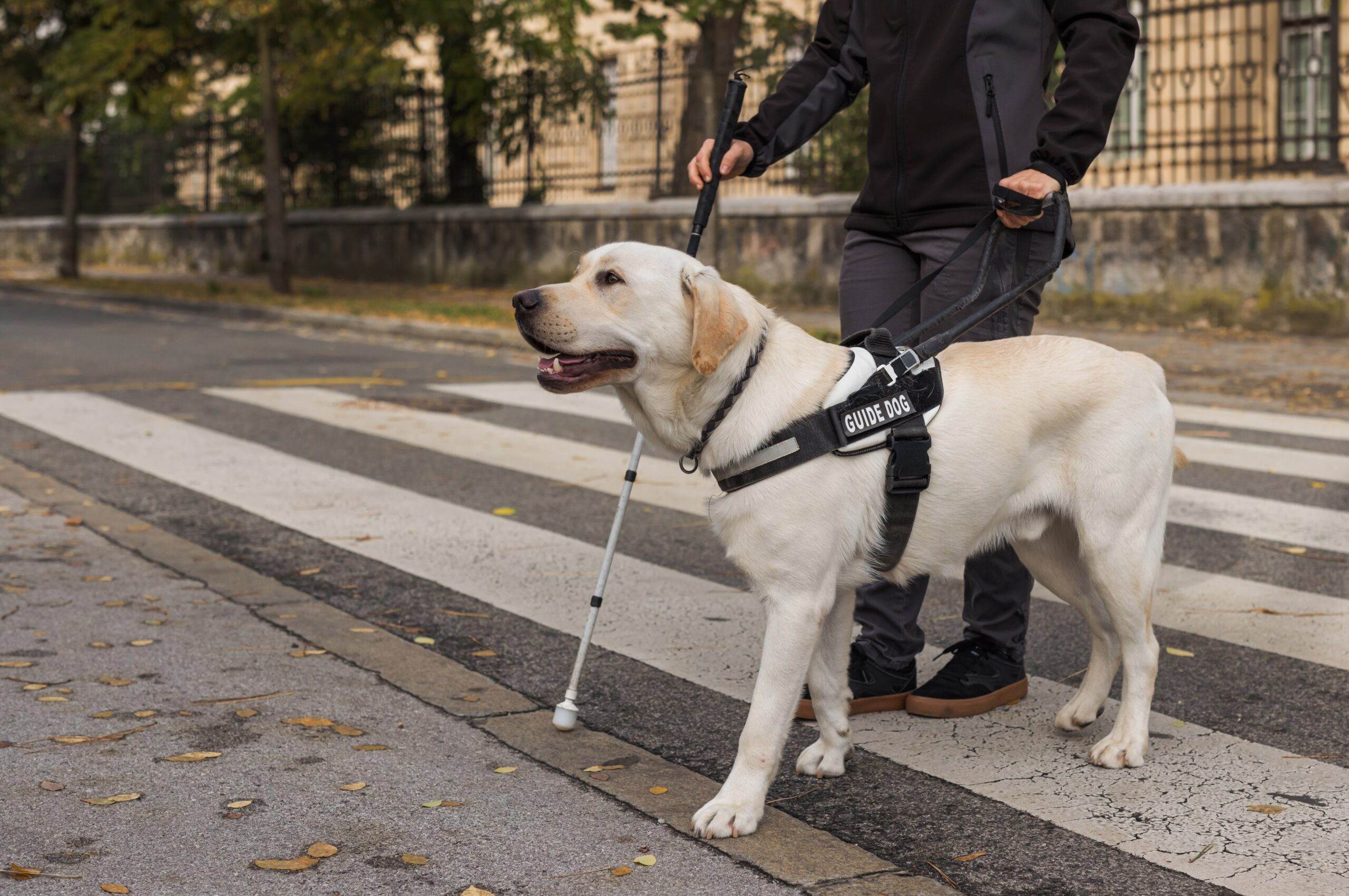
Disability

  • Read more: The Right to Care and Disability in Latin America

    The Right to Care and Disability in Latin America

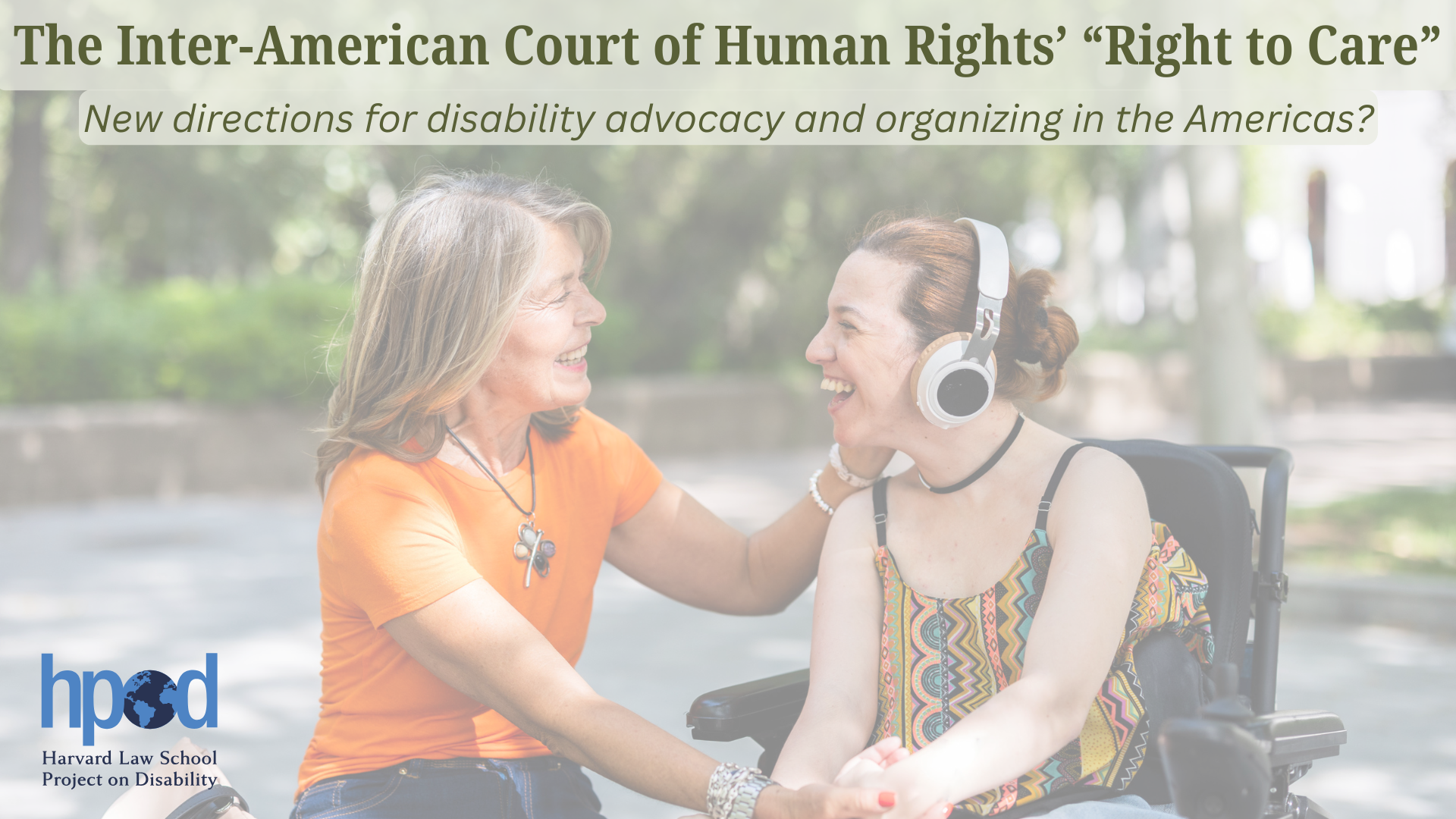
    On Aug. 7, 2025, with Advisory Opinion OC-31/25, the Inter-American Court of Human Rights took a decisive step by becoming the first international court to recognize the human right to care as an autonomous right.

  • Read more: The Inter-American Court of Human Rights’ “Right to Care”

    The Inter-American Court of Human Rights’ “Right to Care”

    New directions for disability advocacy and organizing in the Americas? On August 7, 2025, the Inter-American Court of Human Rights broke new ground in international human rights law by recognizing the “right to care” as an autonomous and enforceable right. Its Advisory Opinion recognizes care as an essential and universal human need on which functioning societies and humanity itself…

  • Read more: Event Recap: What to Expect from the Nascent Negotiations of an International Human Rights Treaty for Older Persons

    Event Recap: What to Expect from the Nascent Negotiations of an International Human Rights Treaty for Older Persons

    The case for a new international human rights treaty for older persons is clear. In much of the world, older persons represent ever-larger shares of the population. The World Health Organization estimates the number of people aged over 60 will double by 2050. 

  • Read more: Older Persons’ Human Rights

    Older Persons’ Human Rights

    Recording

    This virtual event will discuss a forthcoming international treaty on the rights of older persons and how it could build on lessons from the Convention on the Rights of Persons with Disabilities. On April 3, 2025, the United Nations (UN) Human Rights Council adopted a resolution jumpstarting the multilateral process for negotiating a new international treaty on the rights…

  • Read more: 2025 Annual Conference: Law, Health Care, and the Aging Brain and Body

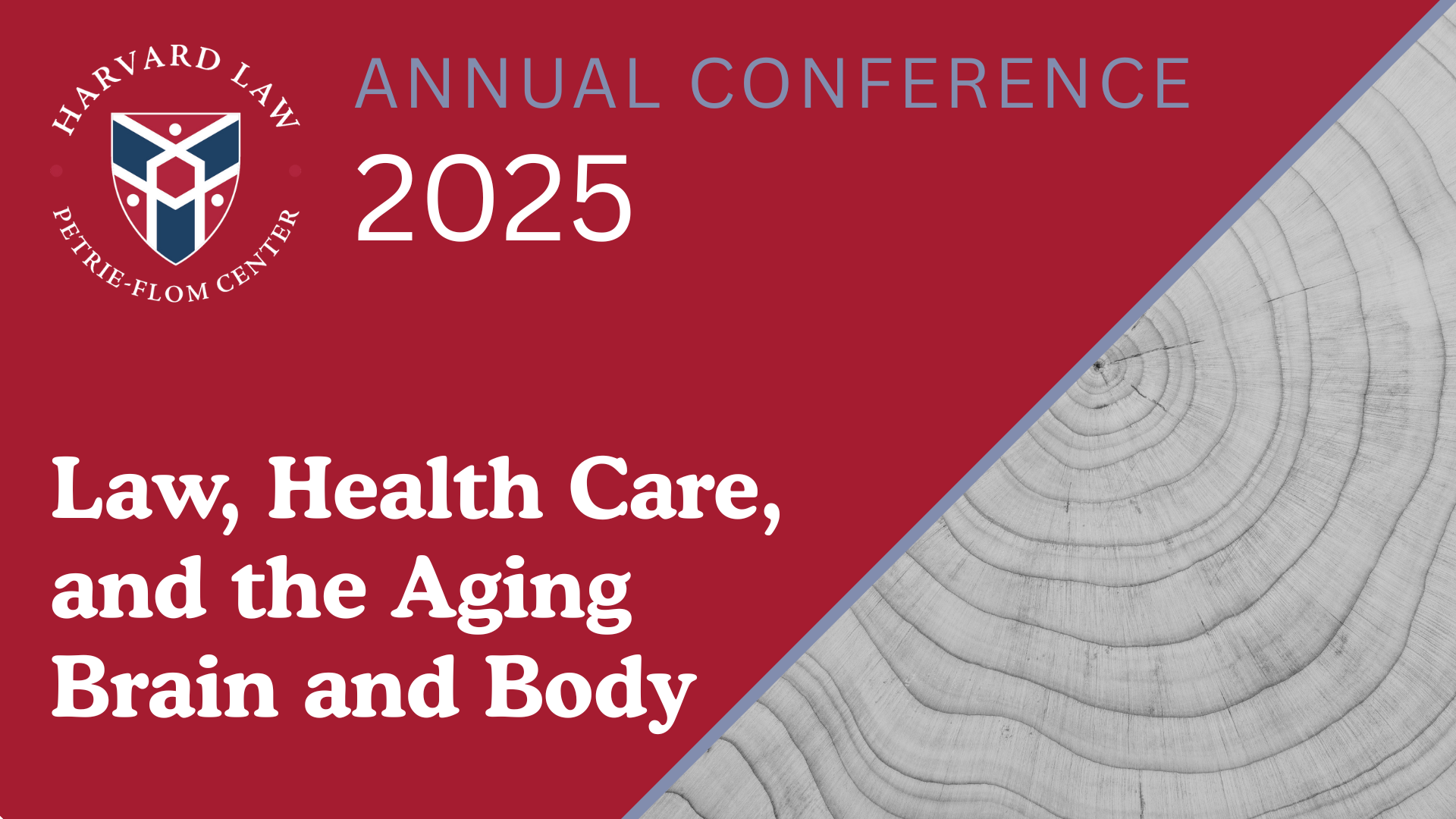
    2025 Annual Conference: Law, Health Care, and the Aging Brain and Body

    Recording

    The Petrie-Flom Center for Health Law Policy, Biotechnology, and Bioethics at Harvard Law School is pleased to announce our 2025 annual conference: “Law, Health Care, and the Aging Brain and Body.” This year’s conference is organized by the Petrie-Flom Center in collaboration with Nina A. Kohn, the David M. Levy Professor of Law at Syracuse…

  • Read more: Mental Health and Climate Change: When a Global Crisis and Planetary Emergency Collide

    Mental Health and Climate Change: When a Global Crisis and Planetary Emergency Collide

    Recording

    The range of adverse mental health effects resulting from climate change include triggering or exacerbating anxiety, depression, grief, and suicide. Natural phenomena from heatwaves and droughts to floods and fires that are fueled by climate change cause trauma, distress, and other mental health conditions. So can chronic, slow-onset effects of global warming, such as water and food insecurity, community breakdown, and conflict. Members of marginalized groups, especially Indigenous peoples, feel these effects in unique and especially acute…

  • Read more: Trump’s 2024 Triumph: A Wild Card for Seniors’ Health Care Coverage?

    Trump’s 2024 Triumph: A Wild Card for Seniors’ Health Care Coverage?

    By Abeer Malik In an ideal world, everyone has a “safety net” — a reliable layer of support that catches us when life’s challenges become overwhelming. For many Americans, the Affordable Care Act (ACA) has been a crucial piece of that safety net, providing access to affordable health care, expanded coverage options, and support for…

  • Read more: Disability, Health, Law, and Bioethics

    Disability, Health, Law, and Bioethics

    Editors: I. Glenn Cohen, Carmel Shachar, Anita Silvers, and Michael Ashley SteinPublisher: Cambridge University PressPublication Date: May 2020 This edited volume is based on the Petrie-Flom Center’s 2018 annual conference, which brought together leading experts to construct a twenty-first century conception of disablement that resolves the tension about whether being disabled is merely neutral or must be…