
Designer Babies? The Ethical and Regulatory Implications of Polygenic Embryo Screening
The rise in polygenic embryo screening is ushering in a new era of human control over reproduction.

The rise in polygenic embryo screening is ushering in a new era of human control over reproduction.
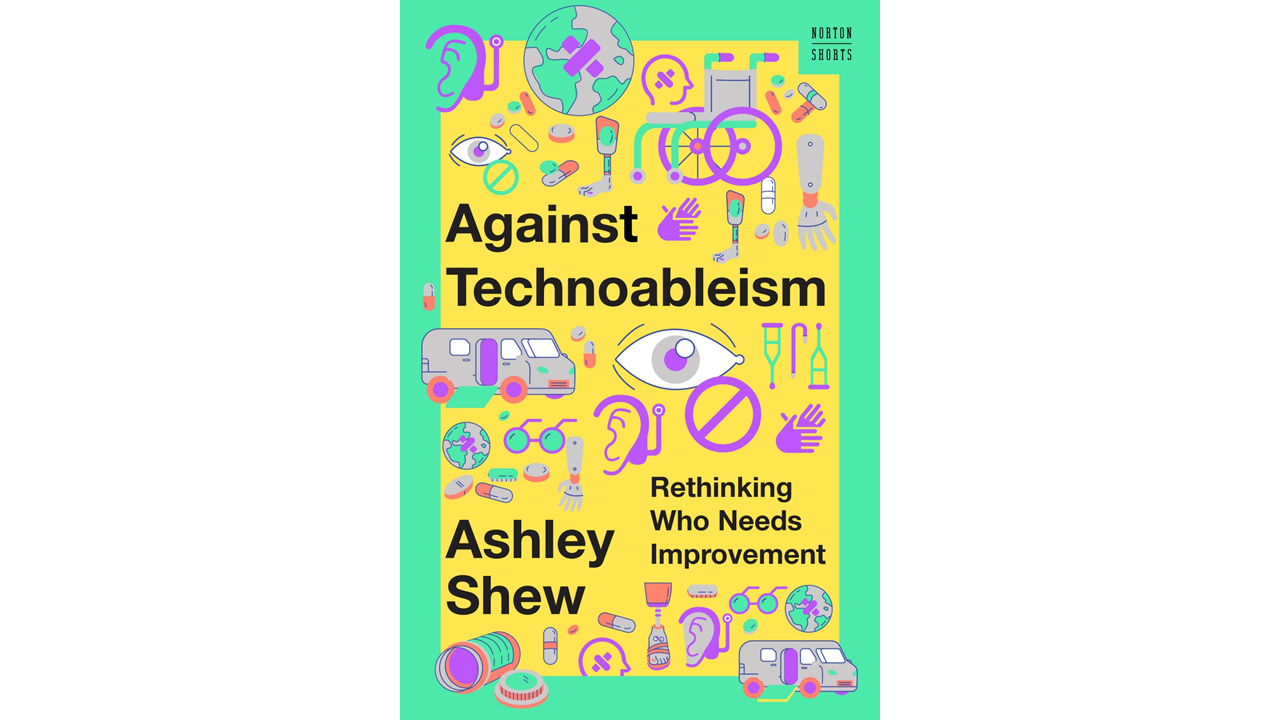
The story of technology and disability needs to be led by disabled people themselves.
On the issue of human genome editing, attitudes between bioethics scholars and the general public diverge.
Four potential avenues for structuring a societal discourse on reproductive genetic innovation in the U.S.
The participants overwhelmingly supported changing the human genome if this offers promise of a better life.
Should performance-enhancing drugs that improve innovation and creativity be treated like those that enhance athleticism?

By Shelly Simana Gene editing technologies enable people to directly change their DNA sequence by adding, removing, or replacing DNA bases. Today, for the first time, as Jennifer Doudna and Samuel Sternberg announced in their book, A Crack in Creation: Gene Editing and the Unthinkable Power to Control Evolution, people “possess the ability to edit not only…

Gottlieb’s comments on the news that gene edited embryos in China had led to live births were wrong.
By Dov Fox A recent web series sparked controversy with the headline that “Designer babies aren’t futuristic. They’re already here.” The online articles make the case that disparate access to frozen embryo screening for debilitating diseases—sickle cell anemia, Tay-Sachs, or cystic fibrosis—is “designing inequality into our genes.” The authors are right that reproductive technology isn’t…
By Paul McLean Gene editing is at once promising and perilous. Or, as John Oliver said in a recent episode of his news show, it is ”either going to kill all disease or kill every last one of us.” The Nuffield Council on Bioethics is not as amusing as John Oliver, and unlike the summer…