
A Path to Stability at FDA?
In September 2025 at the University of Utah S.J. Quinney College of Law, I presented a paper titled “FDA in 2050: Best- and Worst-Case Scenarios,” which was recently published in the Utah Law Review.
In September 2025 at the University of Utah S.J. Quinney College of Law, I presented a paper titled “FDA in 2050: Best- and Worst-Case Scenarios,” which was recently published in the Utah Law Review.
The relationship between innovation and the Food and Drug Administration (FDA) has become a central topic of concern for a whole host of parties: academics, members of the National Academies of Sciences, Engineering, and Medicine, and several former FDA commissioners.

In 2024, the Federal Trade Commission (FTC) banned a data broker called X-Mode Social from selling sensitive location data, charging that the company sold precise phone location data that could be used to track visits to reproductive health clinics, addiction treatment centers, and other sensitive sites.

In June 2025 the U.S. Food and Drug Administration (FDA) launched the Commissioner’s National Priority Voucher Program (CNPV), billing the initiative as “accelerated drug review for companies supporting U.S. national interests.”

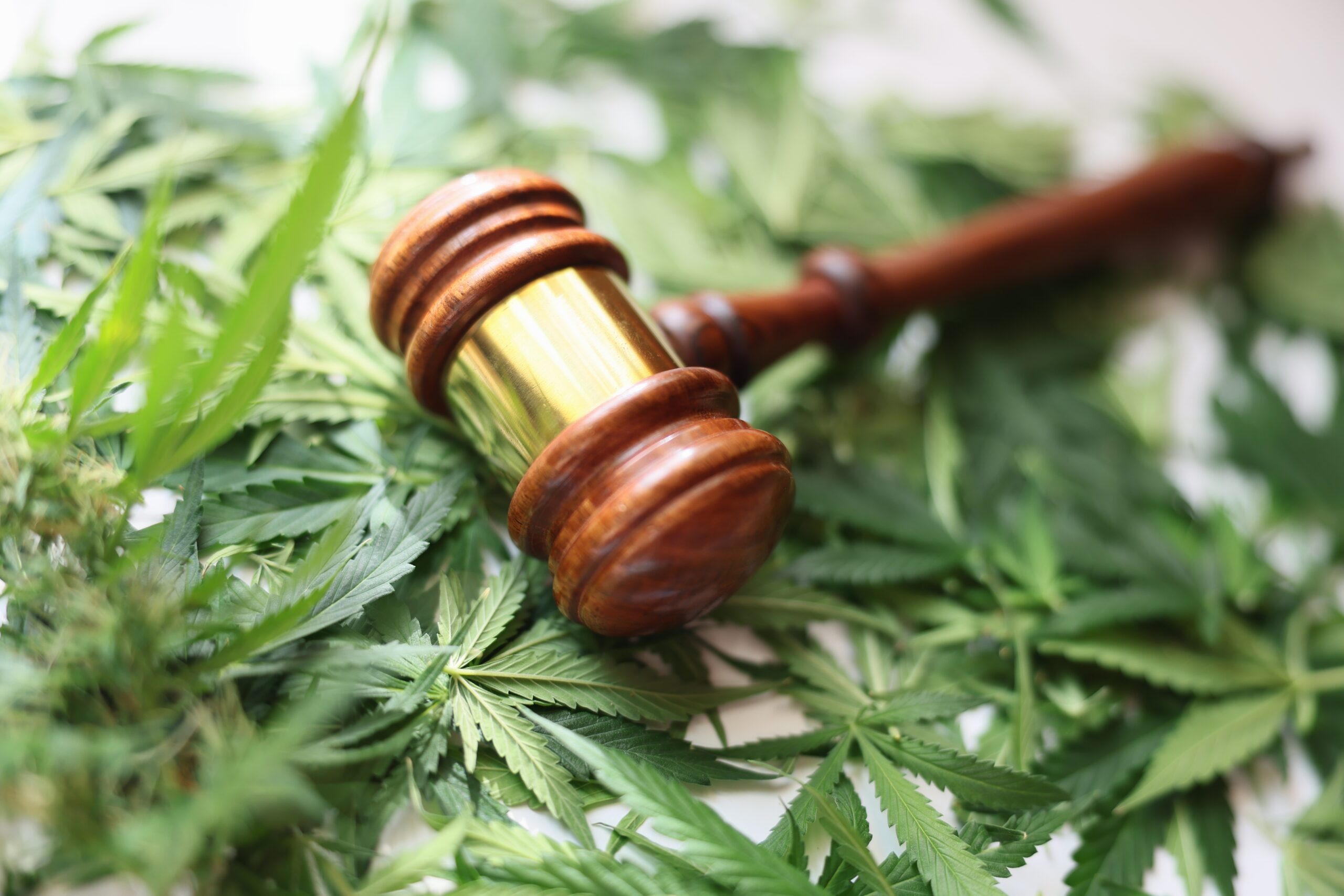
President Trump’s recent executive order directing federal agencies to finalize the rescheduling of cannabis from Schedule I to Schedule III marks a watershed moment in American drug policy.
The United States Food and Drug Administration (FDA) has a unique funding structure among federal scientific and health agencies. The industries it regulates fund nearly half of its budget. The agency charges companies a user fee for each application for products requiring FDA approval like prescription drugs and medical devices.

Even though asthma takes an enormous toll on patients throughout the United States, many struggle to afford asthma medication.
The Health Law Policy, Bioethics, and Biotechnology Workshop provides a forum for discussion of new scholarship in these fields from the world’s leading experts. The workshop is led by Professor I. Glenn Cohen, and presenters come from a wide range of disciplines and departments. Harvard graduate students may register to take the workshop for course…

Drug companies typically seek a formal labeling change from the U.S. Food and Drug Administration (FDA), or a parallel regulatory body outside the U.S., to market a drug for a new use.

On July 1, the federal government quietly scaled back its only active surveillance system for foodborne illnesses.
