
Governance by Consent in Health Policy?
Health lawyers are accustomed to thinking about statutes, regulations, and agency action.
Health lawyers are accustomed to thinking about statutes, regulations, and agency action.
Over the past two decades, the number of U.S. allopathic medical schools accredited by the Liaison Committee on Medical Education has increased from 125 in 2004-05 to 154 in 2024-25.

Federal and state departments are rapidly expanding their use of artificial intelligence, and healthcare agencies are no exception.

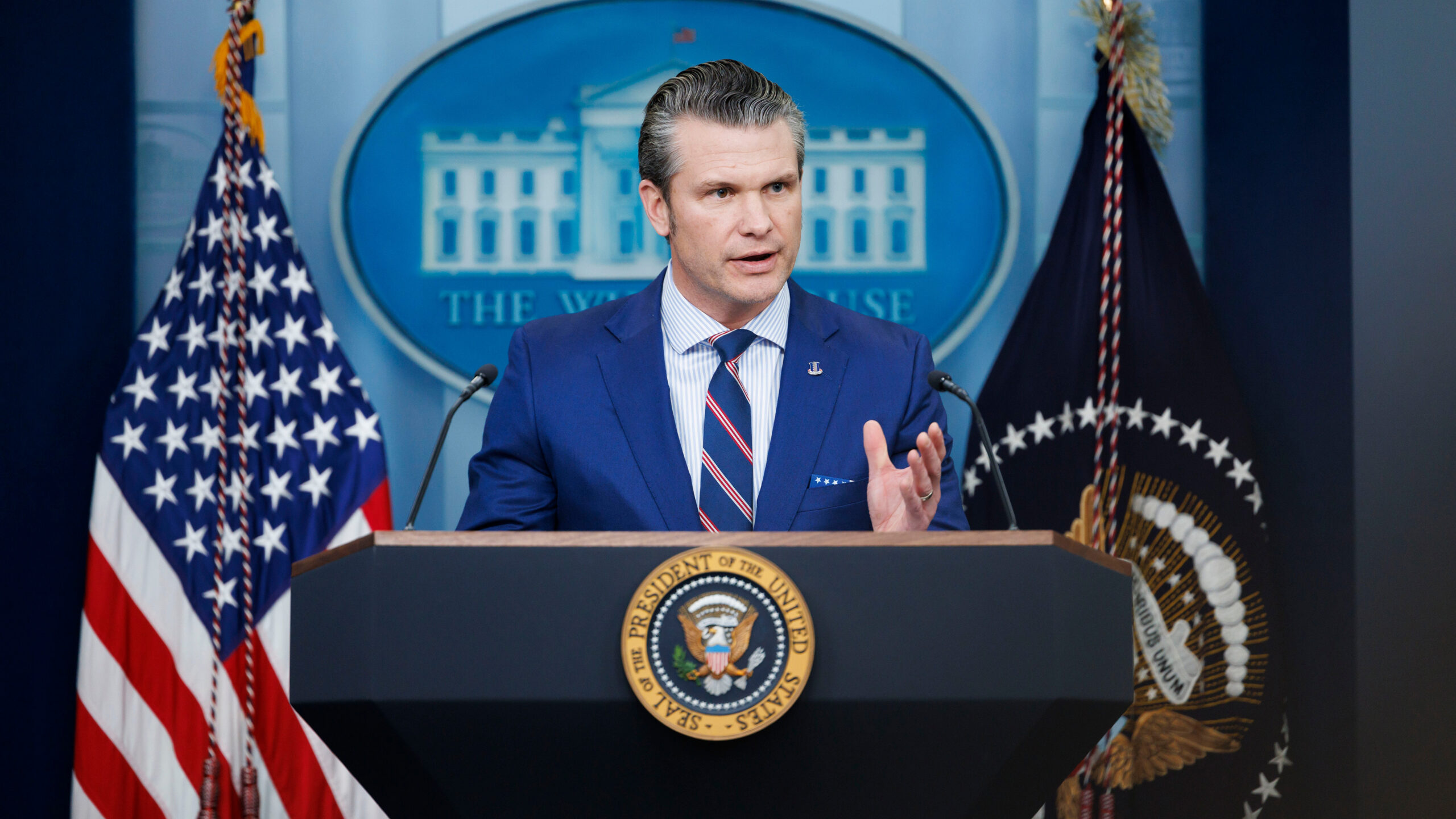
In July, U.S. Secretary of Defense Pete Hegseth announced, in a video titled “The High T Department of War,” that every service member 30 and older will now be screened annually for testosterone deficiency.
The Trump administration’s goal of “Making America Healthy Again” is beginning to look more like “Making Americans Smokers Again.”

The U.S. Department of Justice (DOJ), representing the president’s administration, has taken aim at three of the nation’s top medical schools.

In a recent episode of HBO’s hit medical procedural show The Pitt, two agents of Immigration and Customs Enforcement (ICE) enter the emergency department.

Health care is consistently ranked among the top concerns of the nation’s voters. A special issue for health care voters is electing candidates who are committed to making high-quality health care accessible and affordable to all.

When the Supreme Court decided Loper Bright Enterprises v. Raimondo in June 2024, health care fraud was not foremost on anyone’s mind.

The United States Food and Drug Administration (FDA) has a unique funding structure among federal scientific and health agencies. The industries it regulates fund nearly half of its budget. The agency charges companies a user fee for each application for products requiring FDA approval like prescription drugs and medical devices.
