Lessons in Health Data Privacy from the Partial-Birth Abortion Ban Act
The past may hold important lessons for the future of health privacy for patients, physicians, and hospitals in the face of abortion subpoenas post-Dobbs.

The past may hold important lessons for the future of health privacy for patients, physicians, and hospitals in the face of abortion subpoenas post-Dobbs.
Four potential avenues for structuring a societal discourse on reproductive genetic innovation in the U.S.

The American Medical Association recently adopted new policies aimed at protecting access to reproductive health care.
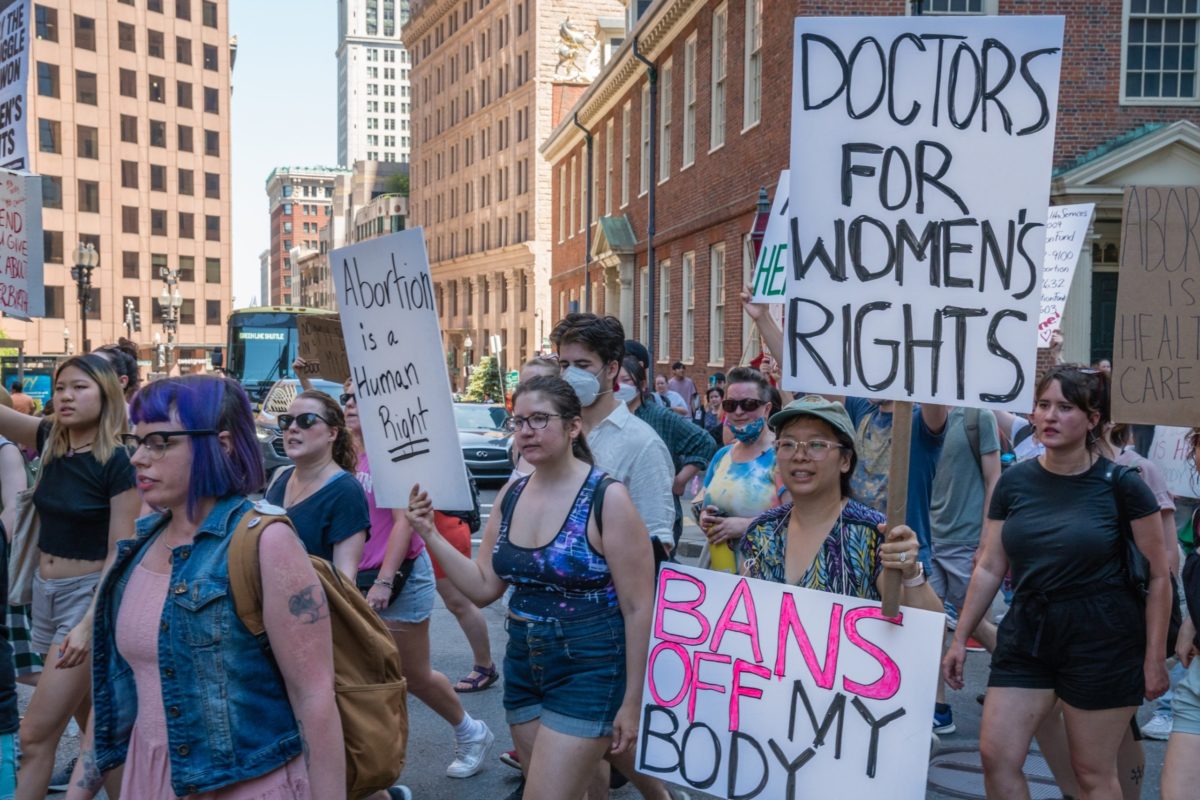
The consequences that result from state bans and restrictions on medication abortion represent just one example of “healthcare federalism.”
Strict, early measures did not lead to better control of the disease, in comparison to other countries in the region.

In the post-Dobbs fight to safeguard reproductive healthcare, a new spotlight has been placed on two existing federal laws.

The Supreme Court of India recently ruled that all women, whether married or not, have equal rights to access abortion up to 24 weeks of gestation.

When abortion bans contravene physician implementation of life-saving interventions for pregnant patients, they cross a constitutional line.

Legislative and industry measures are needed to protect personal data against unreasonable, overreaching surveillance after the fall of Roe.

Immigrants are now even more vulnerable to reproductive oppression in light of the Supreme Court’s decision in Dobbs.