Harmeet Dhillon Scrutinizes the Nation’s Medical Schools
Over the past two decades, the number of U.S. allopathic medical schools accredited by the Liaison Committee on Medical Education has increased from 125 in 2004-05 to 154 in 2024-25.

Over the past two decades, the number of U.S. allopathic medical schools accredited by the Liaison Committee on Medical Education has increased from 125 in 2004-05 to 154 in 2024-25.
In the state of Louisiana, 32.6 percent of the population identify as Black, while 8.3 percent of the state’s physicians identify as Black. Across the nation, 13.7 percent of the population identify as Black, while 5.7 percent of physicians identify as Black.

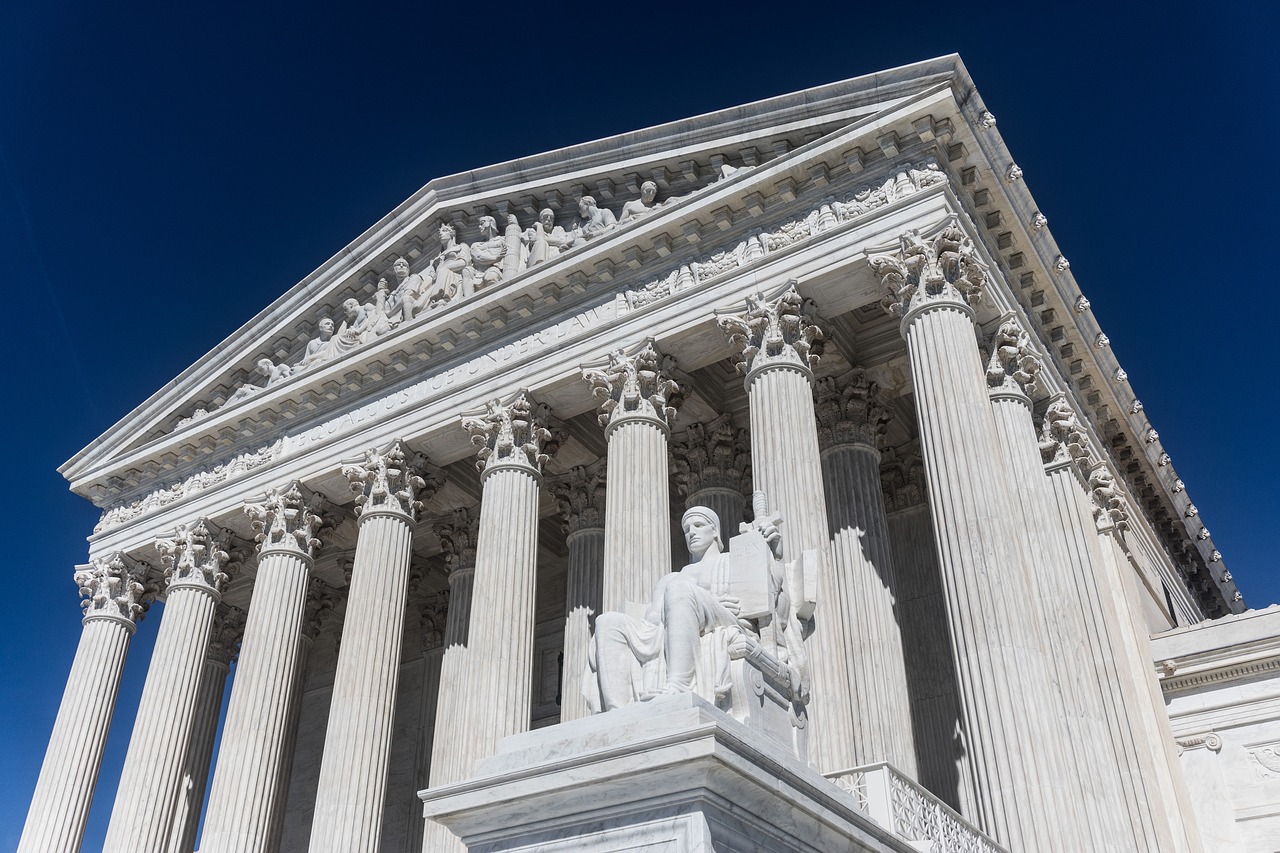
The U.S. Department of Justice (DOJ), representing the president’s administration, has taken aim at three of the nation’s top medical schools.

Early in the second Trump administration, health information started to disappear from government websites including those maintained by the CDC and NIH. Commentators have begun to wonder how to protect the agencies themselves and what role the health professions might play in responding to rapid changes in health policy and the federal government’s relationship to…

What challenges arise for bioethicists when taking on commissions to work for organizations that are emerging out of the psychedelic underground?

As we move past a phase of “partial eclipse” by psychedelic hype, this critical field is finally well-situated to explore the full spectrum of psychedelic effects.

A rundown of the major legal questions at play in the New York Times-OpenAI lawsuit.

The challenge of student-athlete compensation is a broader issue rooted in more than a century of health policy.

Scholars, analysts, and companies cannot agree on what Amgen v. Sanofi means for patients, drug makers, and innovation.

SCOTUS revisits enablement, but Amgen v. Sanofi probably won’t transform patent law on its own.