LSD Gospel, Christmas Tidings, and the FDA during the Psychedelic Sixties
Academics and enthusiasts alike often consider the 1960s a “psychedelics golden age” of access, research, and culture.

Academics and enthusiasts alike often consider the 1960s a “psychedelics golden age” of access, research, and culture.
The legal category of “religion,” rooted in a Euro-Christian episteme, has outlived its usefulness as a universal category.

On Nov. 11, 2024, Bridger Lee Jensen stepped out of his church, Singularism, and was surrounded by police. They detained him, searched the church, and seized an alleged 450 grams of dried psilocybin mushroom.

Sixty-three percent of Americans identify as Christian. A primary responsibility for the established Christian church is to offer ethical guidance to church members, all of whom live in a society with particular state and federal laws.

Alongside the last two decades of growth in the field of psychedelic medicine, the use of psychedelics in religious and spiritual contexts has increased, not only in novel psychedelic spiritual communities (i.e., psychedelic churches) and indigenous or Native American contexts, but in Abrahamic religious communities as well.
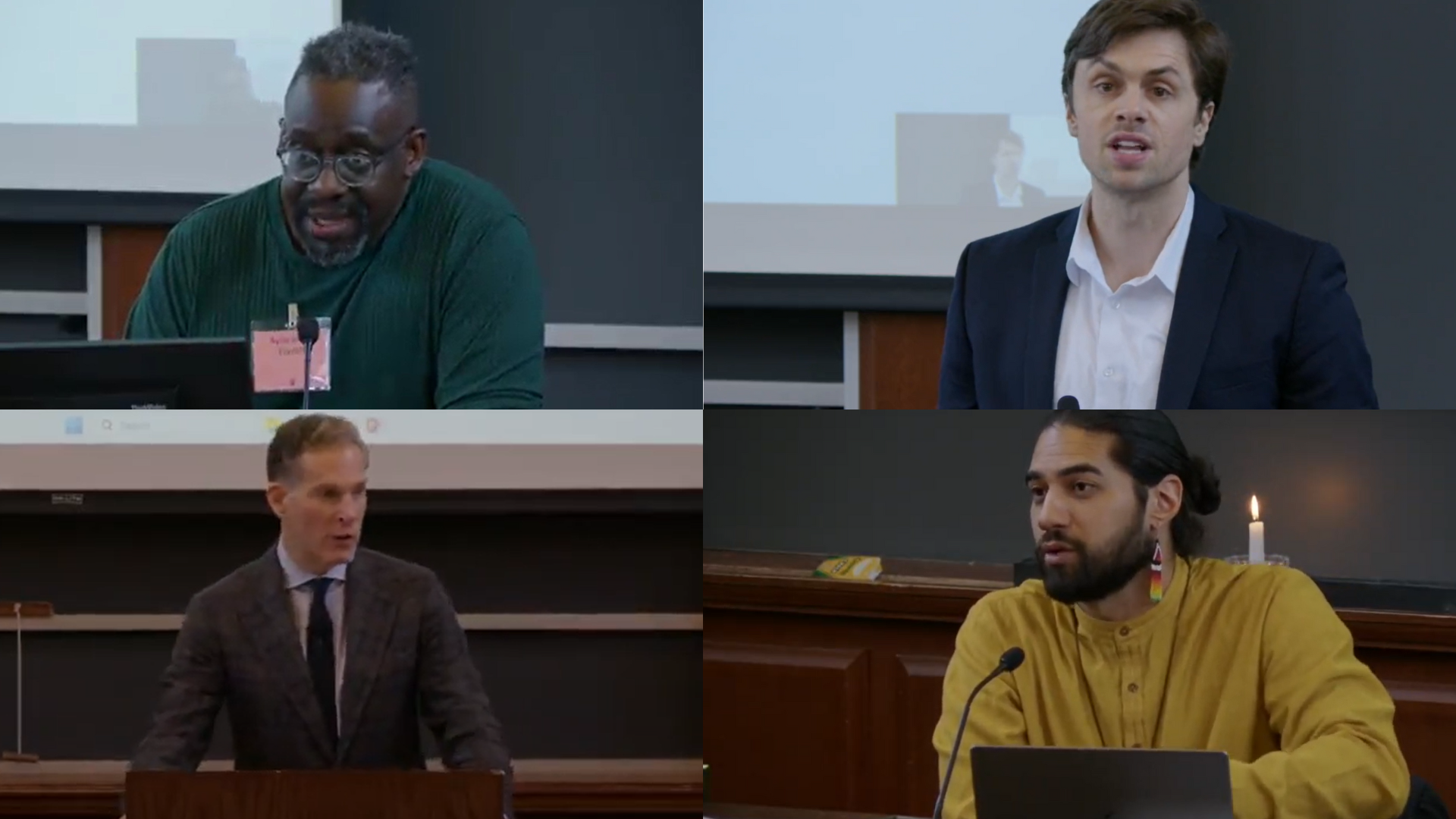
One of the biggest challenges in psychedelic regulation is reconciling competing ideas of what psychedelics are and why people use them. These definitions shape not only our cultural narratives but concrete policy choices.

This symposium, The PULSE of Psychedelics, Law, and Spirituality, highlights the work of the Petrie-Flom Center’s Psychedelic Use, Law, and Spiritual Experience (PULSE) Project. We invited this year’s cohort of affiliated legal and religious scholars and practitioners to explore an idea from their own work. These PULSE researchers, who meet monthly, come from a range…

Editors: Holly Fernandez Lynch, I. Glenn Cohen, and Elizabeth SepperPublisher: Cambridge University PressPublication Date: July 2017 This edited volume stems from the Petrie-Flom Center’s 2015 annual conference, which brought together leading experts to identify the various ways in which law intersects with religion and health care in the United States, examine the role of law in…
The Satanic Temple argues that abortion is a protected religious right.
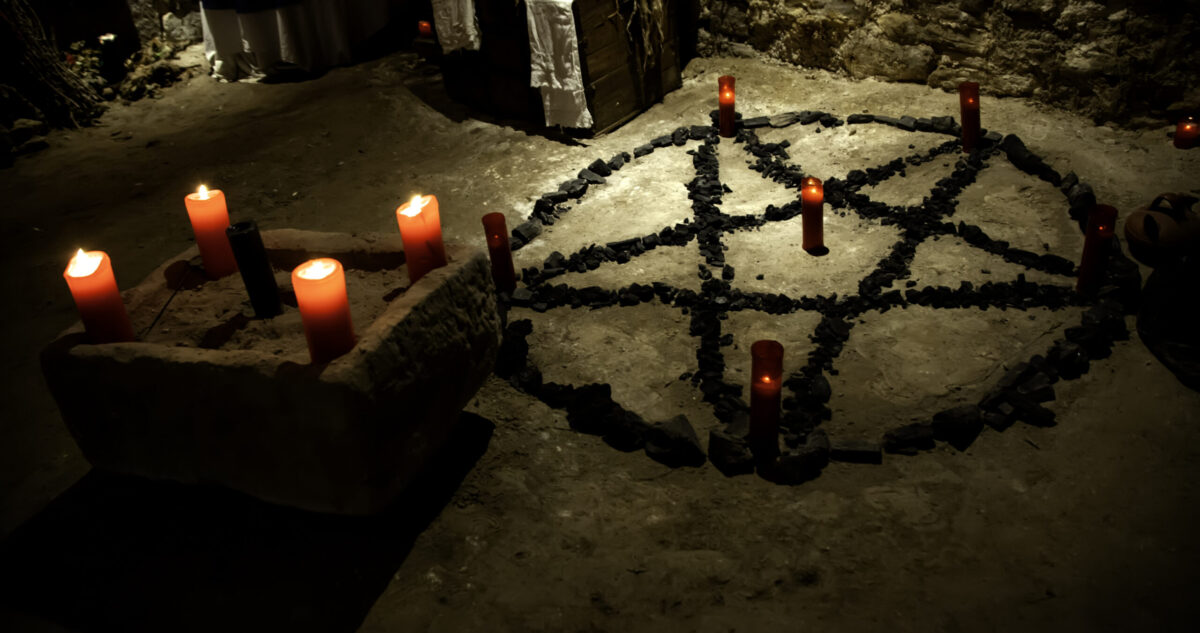
Granting exemptions on the basis of religion incentivizes people to lie, and exemptions are more likely to be given to people who have lied well.