
Neuroethics Seminar: Plugged-In Patients: Brain-Computer Interfaces
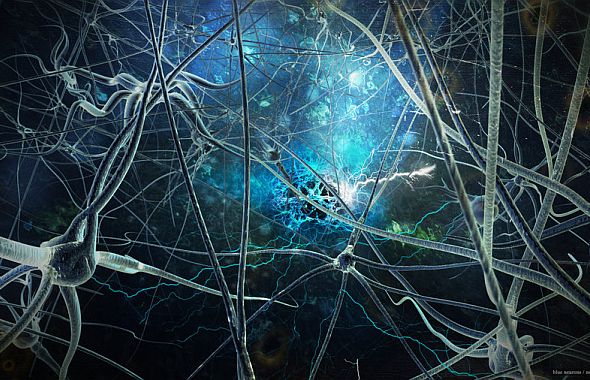
Connecting the human brain to a computer is no longer science fiction. Patients unable to control their bodies will soon be able to control computers and external devices, like wheelchairs, using only mental processes, by means of a brain-computer interface.
At this panel discussion, investigators at the cutting edge of brain-computer interface technology discussed the ethical and philosophical implications of research and clinical care using these technologies.
This event was free and open to the public.
Panelists
- Thomas I. Cochrane, MD, MBA, Associate Neurologist and Senior Ethics Consultant, Brigham and Women’s Hospital and Assistant Professor of Neurology and Director of Neuroethics, Center for Bioethics, Harvard Medical School
- Phillip Kellmeyer, MD, Department of Neurology, University of Freiburg
- Leigh Hochberg, MD, PhD, vascular and critical care neurologist at Massachusetts General Hospital (MGH), Brigham & Women’s Hospital (BWH), and Spaulding Rehabilitation Hospital; Professor of Engineering, Brown University; Senior Lecturer on Neurology, Harvard Medical School; and Director of the Center of Excellence for Neurorestoration and Neurotechnology, Rehabilitation R&D Service, Providence VA Medical Center
Neuroethics Seminar Series
This event was part of a series hosted by the Center for Biothics at Harvard Medical School.
Co-sponsors
- The International Neuroethics Society
- The Petrie-Flom Center for Health Law Policy, Biotechnology, and Bioethics, Harvard Law School
- Center for Law, Brain, and Behavior, MGH
- Institute for the Neurosciences, BWH
- Center for Brain Science, Harvard University
- Department of Neurobiology, Harvard Medical School
With funding from
- Mind Brain Behavior Interfaculty Initiative, Harvard University
- The Harvard Brain Initiative Collaborative Seed Grant Program