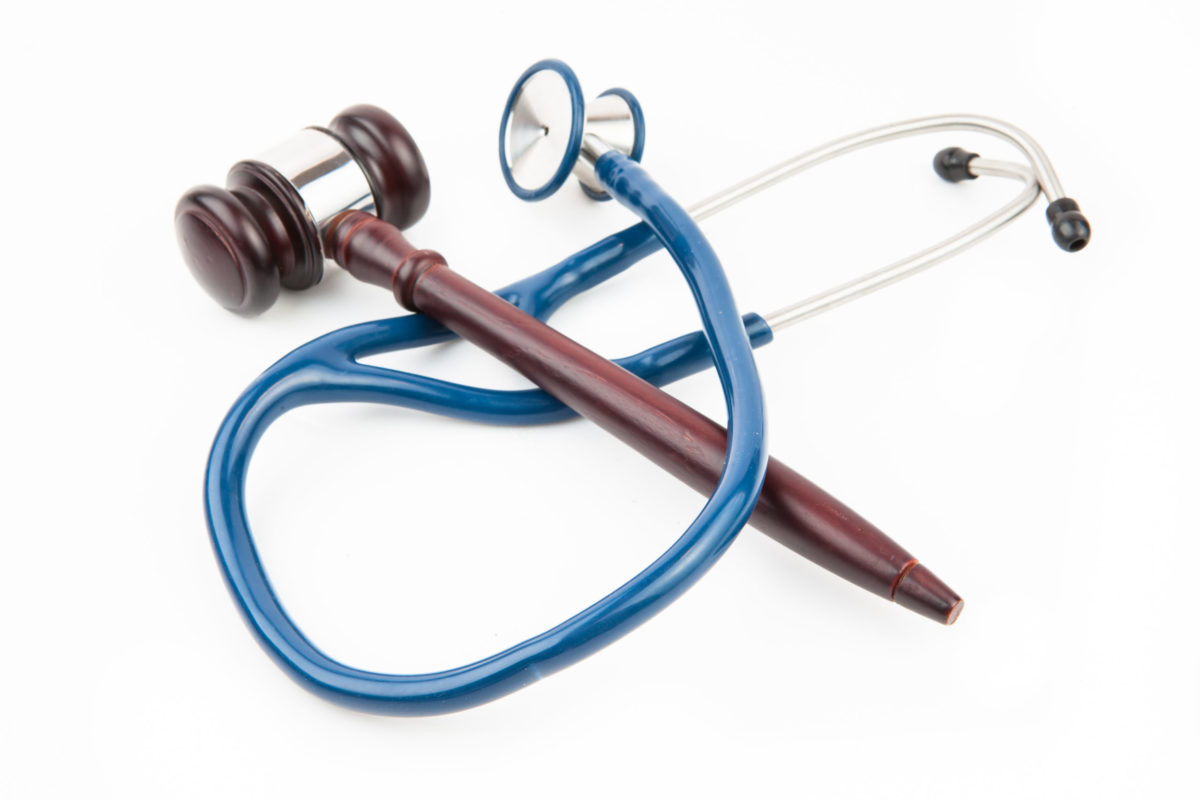
Health Justice is Within Our Reach
I grew up in the South Bronx, insulated from the absence of health justice until the fourth grade, when I began attending private school.
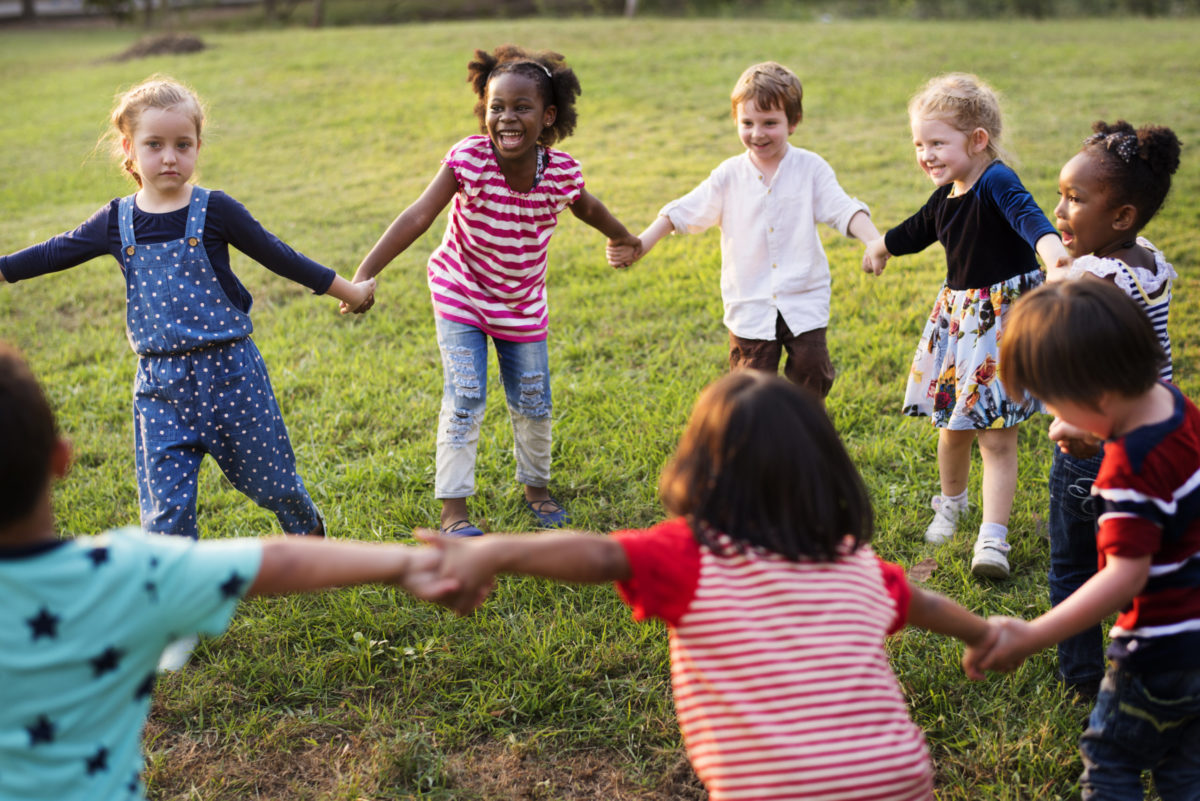
I grew up in the South Bronx, insulated from the absence of health justice until the fourth grade, when I began attending private school.
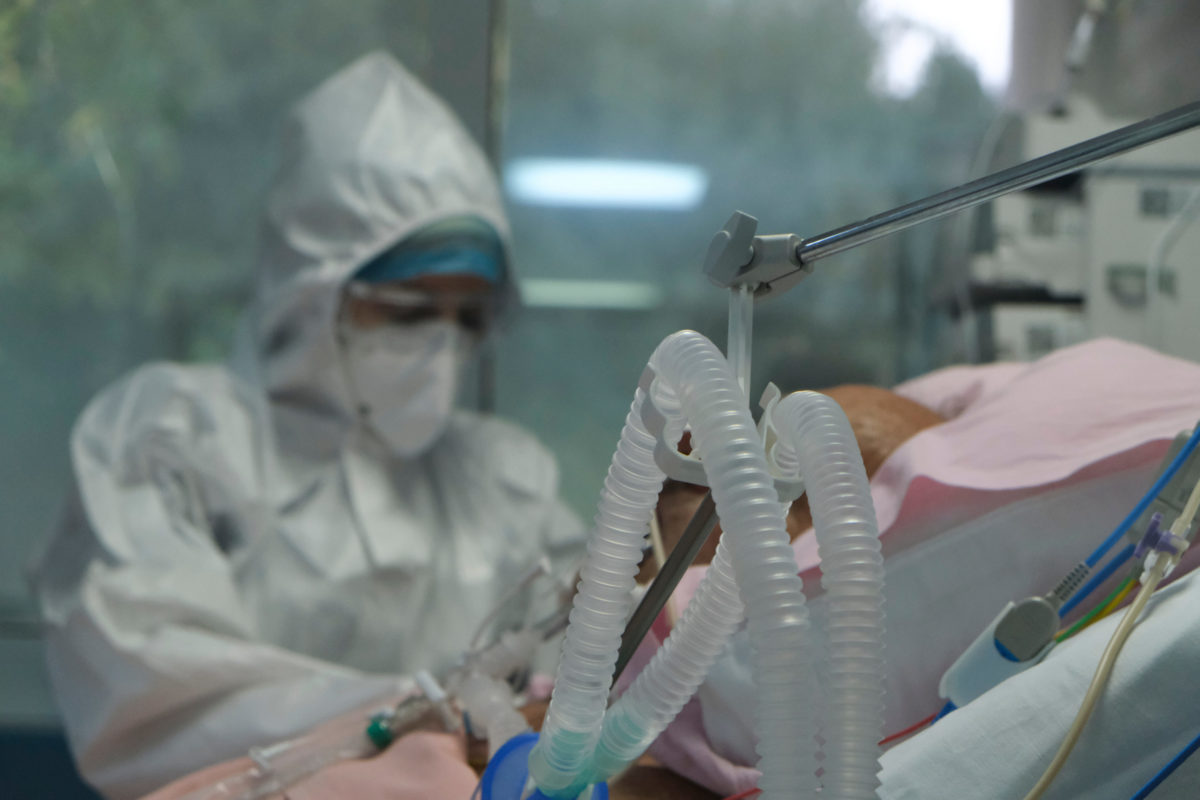
Attempts to penalize those who become sick with COVID-19 are not out of line with other attempts to punish Americans for their perceived poor health.
A health justice approach would confront how ableism has influenced the development of reasonable accommodations law.
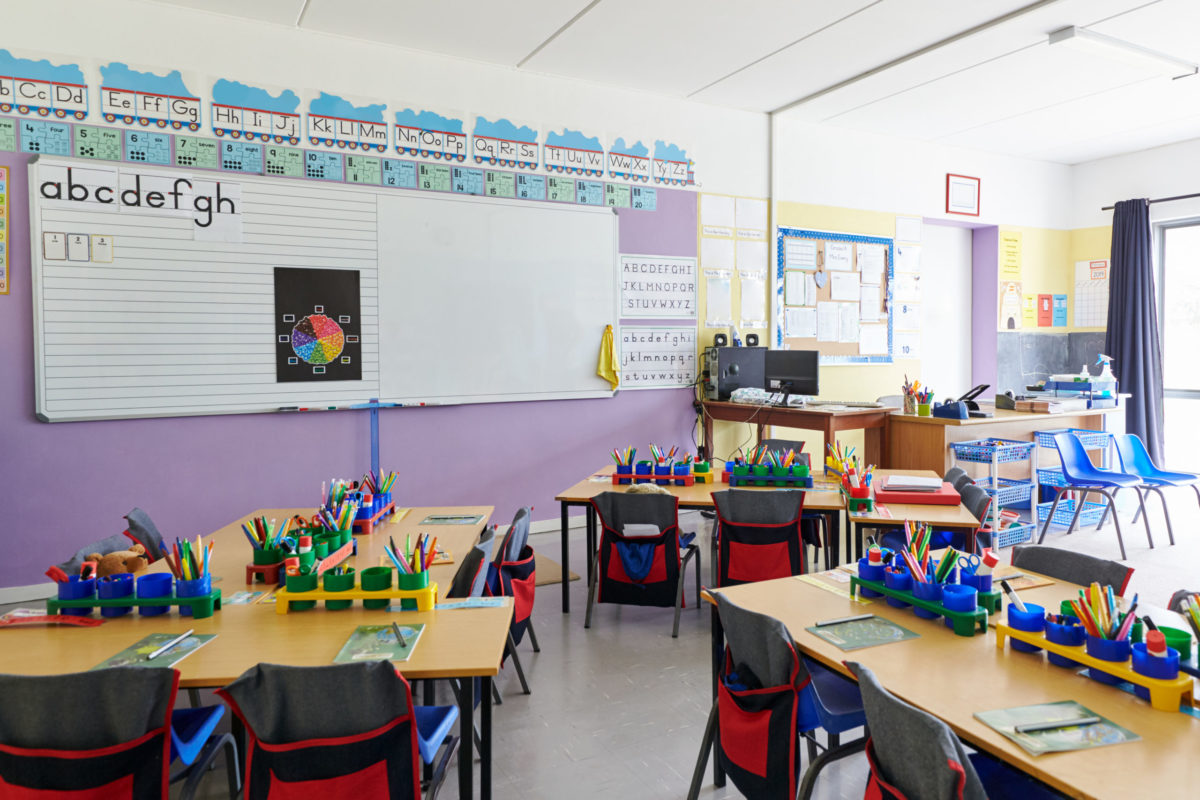
Researchers and advocates have long-documented the disparate punishment and policing of BIPOC students compared to their white peers.
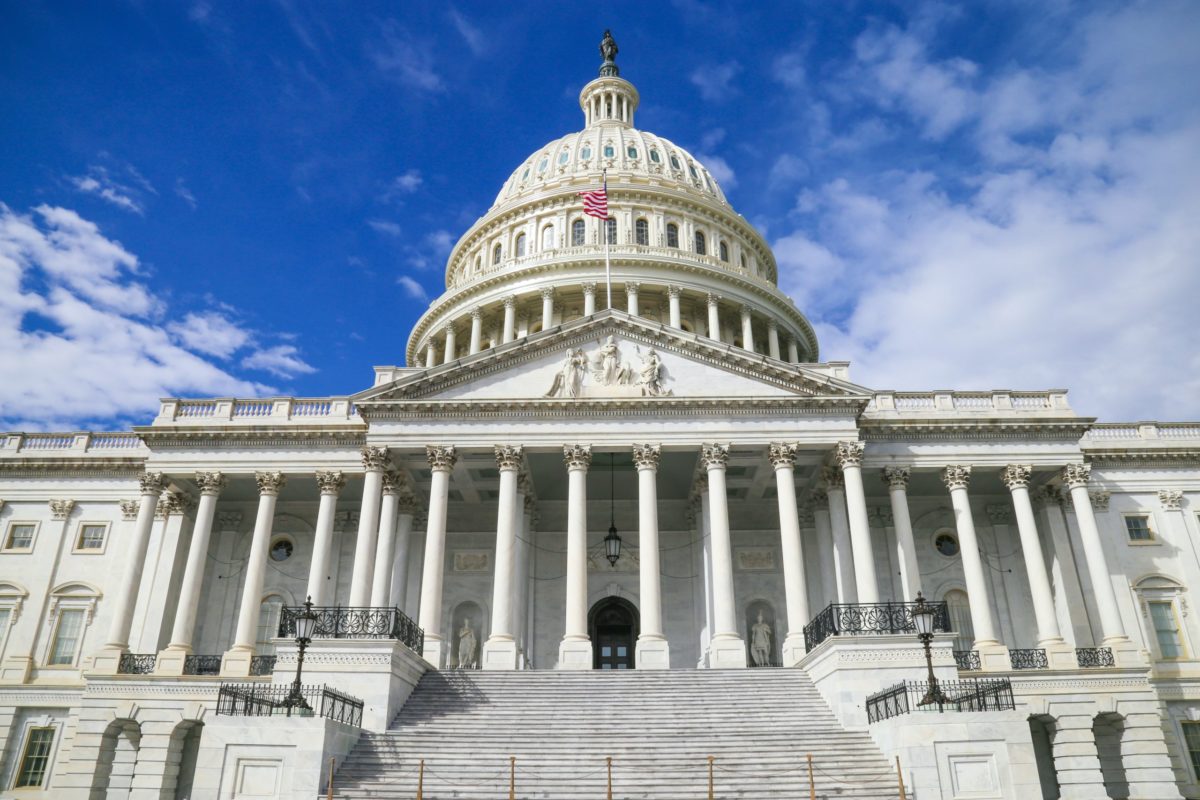
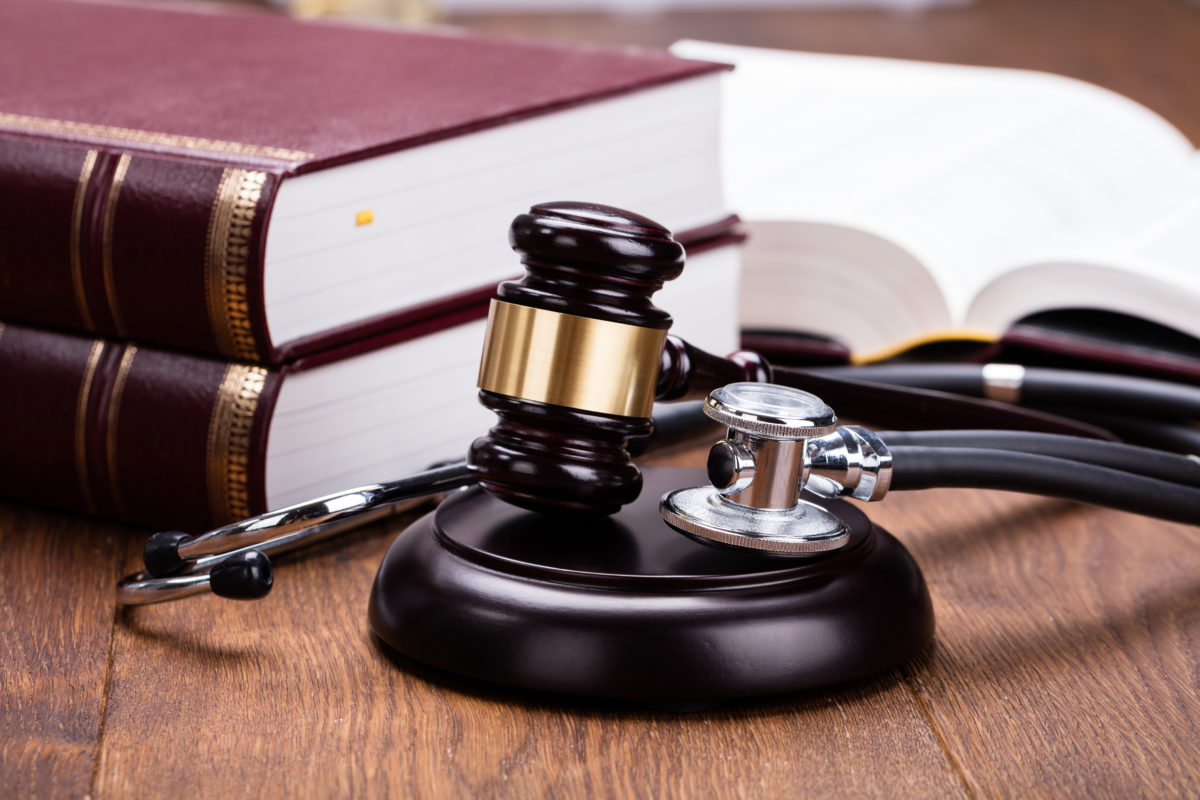
We encourage Congress to pass recently introduced legislation that allocates funding to the development of Medical-Legal Partnerships.
To us, health justice means change. Not cosmetic or peripheral change, but wide-scale, systemic change.
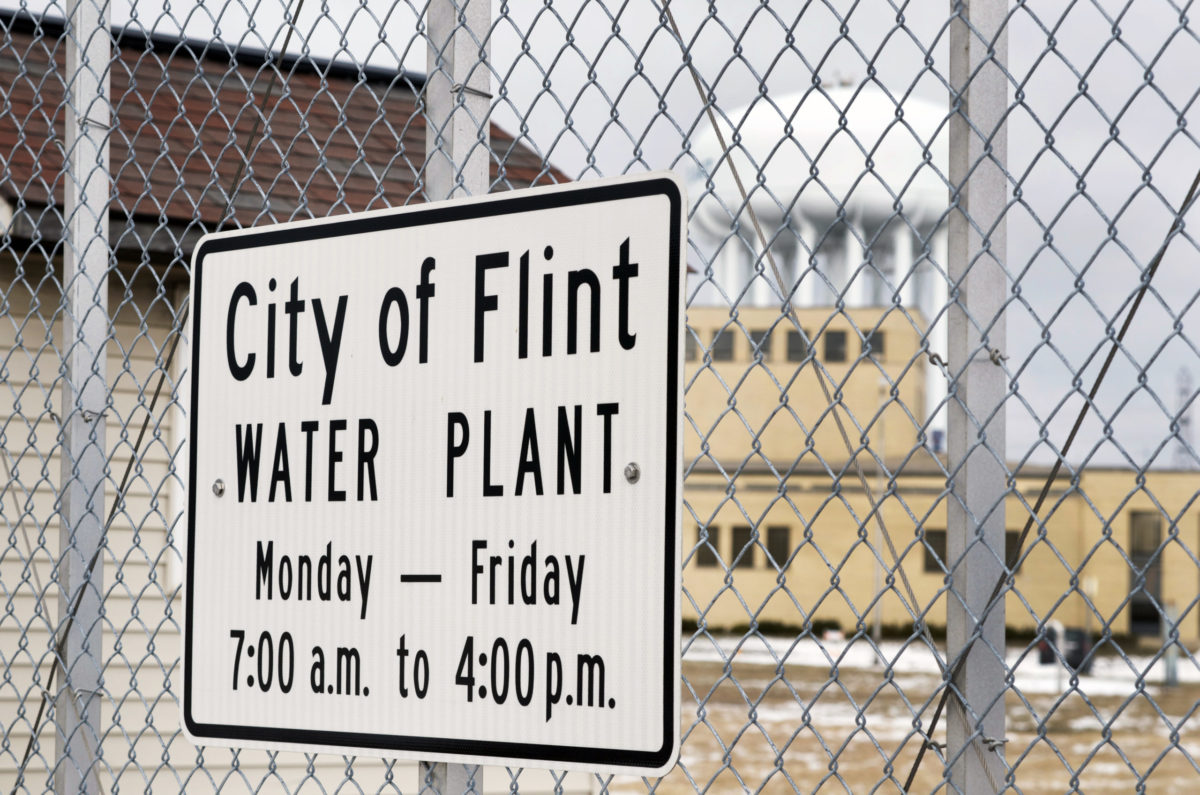
Rather than simply recognizing the existence of social determinants of health, we must do the hard work to create and re-create systems.
Well-being and ill-being can be measured in many ways, but health is a fundamental part of the picture and is inextricably intertwined with justice.
Healing processes can operationalize the three components of the health justice framework to address the trauma of medical racism.
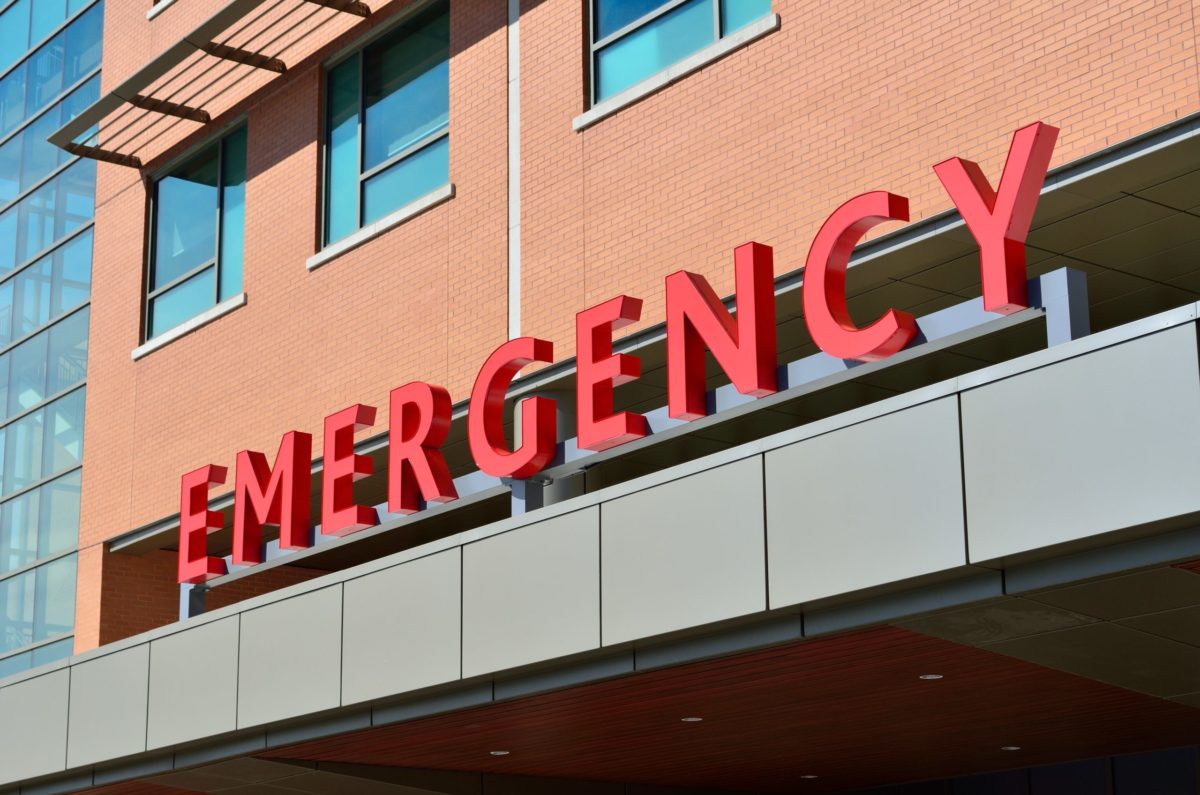
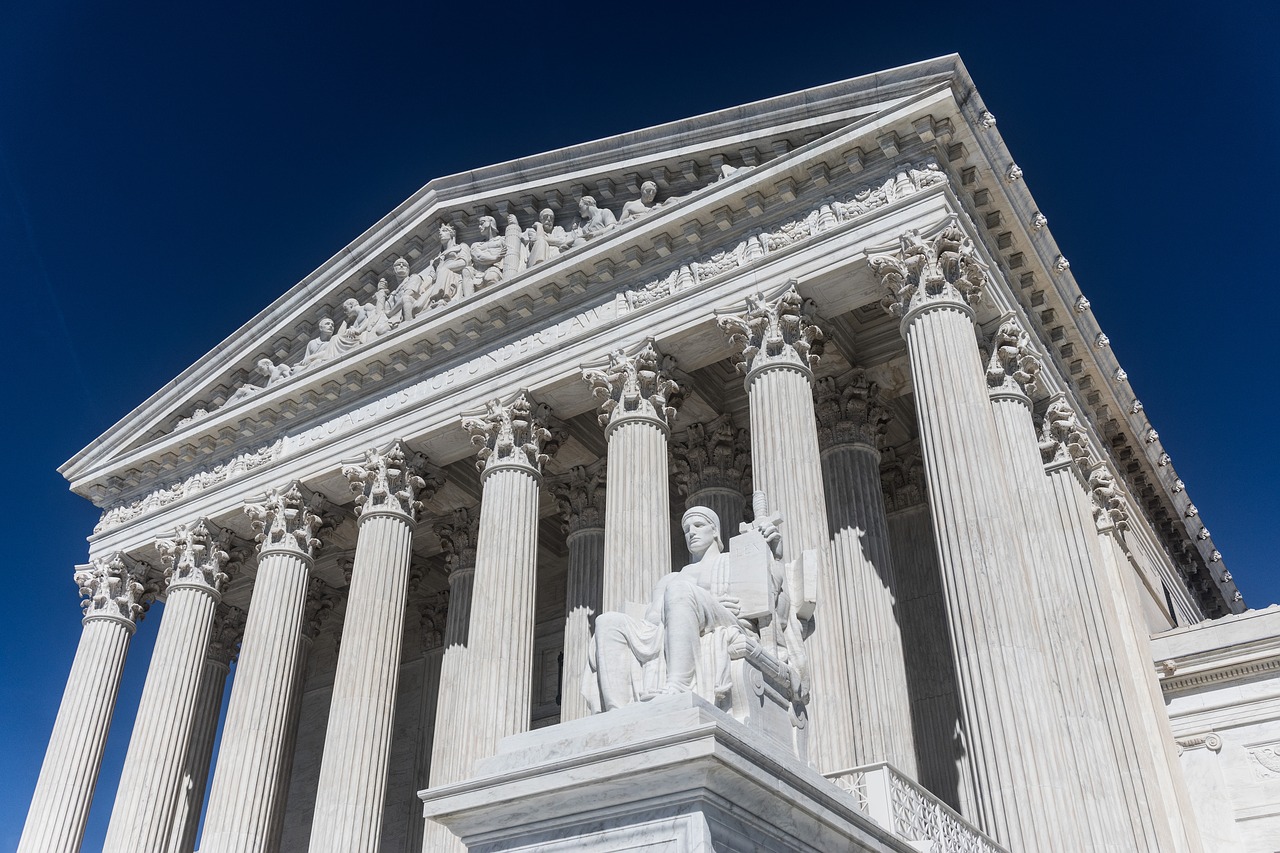
We can pave the way for our students to lead hospitals, courthouses, and statehouses in a collaborative pursuit of health justice.