Maternity Care Choices in the U.K. During the COVID-19 Pandemic
One of many patient safety issues raised by the pandemic is that expectant mothers are considering freebirthing more after home births are cancelled.
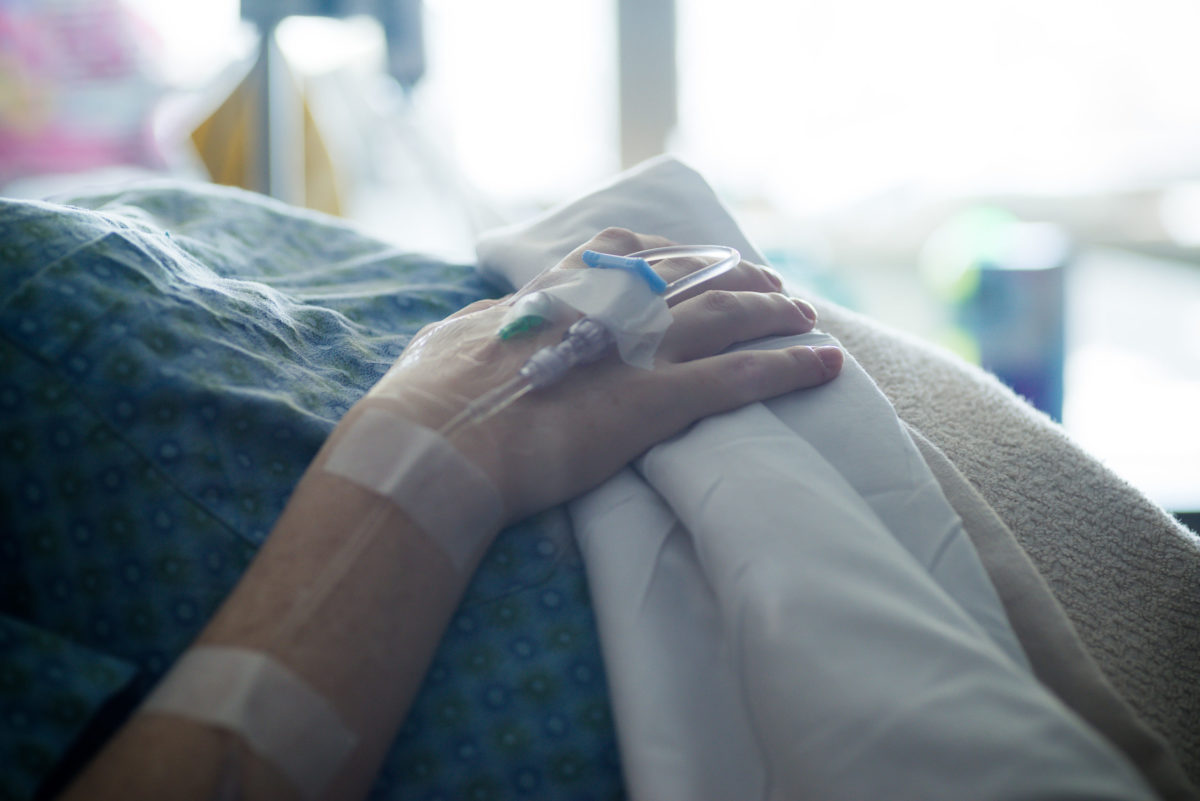
One of many patient safety issues raised by the pandemic is that expectant mothers are considering freebirthing more after home births are cancelled.
This article investigates the unique approaches chaplains and social workers are taking to serve patients digitally in their times of need.

There is a pressing need for a set of principles to guide not just the imposing of COVID-type restrictions, but also relaxing or lifting them.
We typically speak of duties under “normal” circumstances, and normal certainly does not describe the current COVID-19 pandemic.
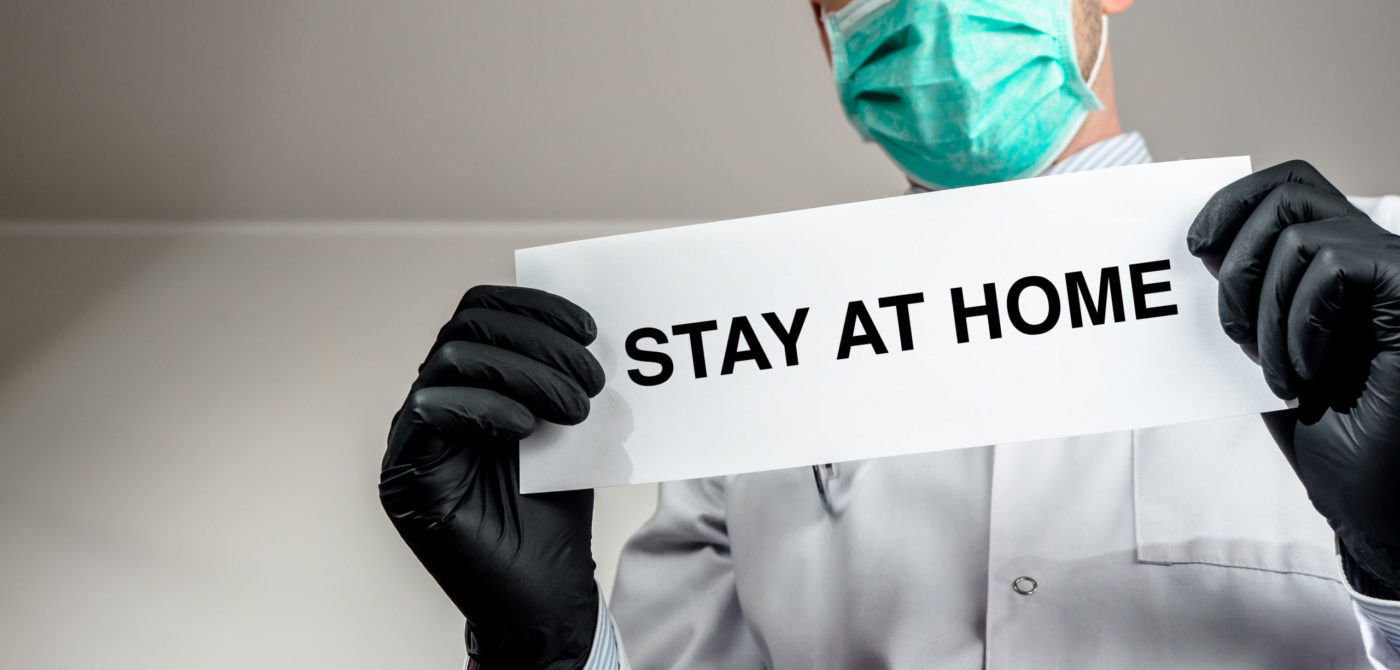
Clinicians should not be obligated to perform these heroic acts, nor should we morally blame them for their decision to refuse to provide care.
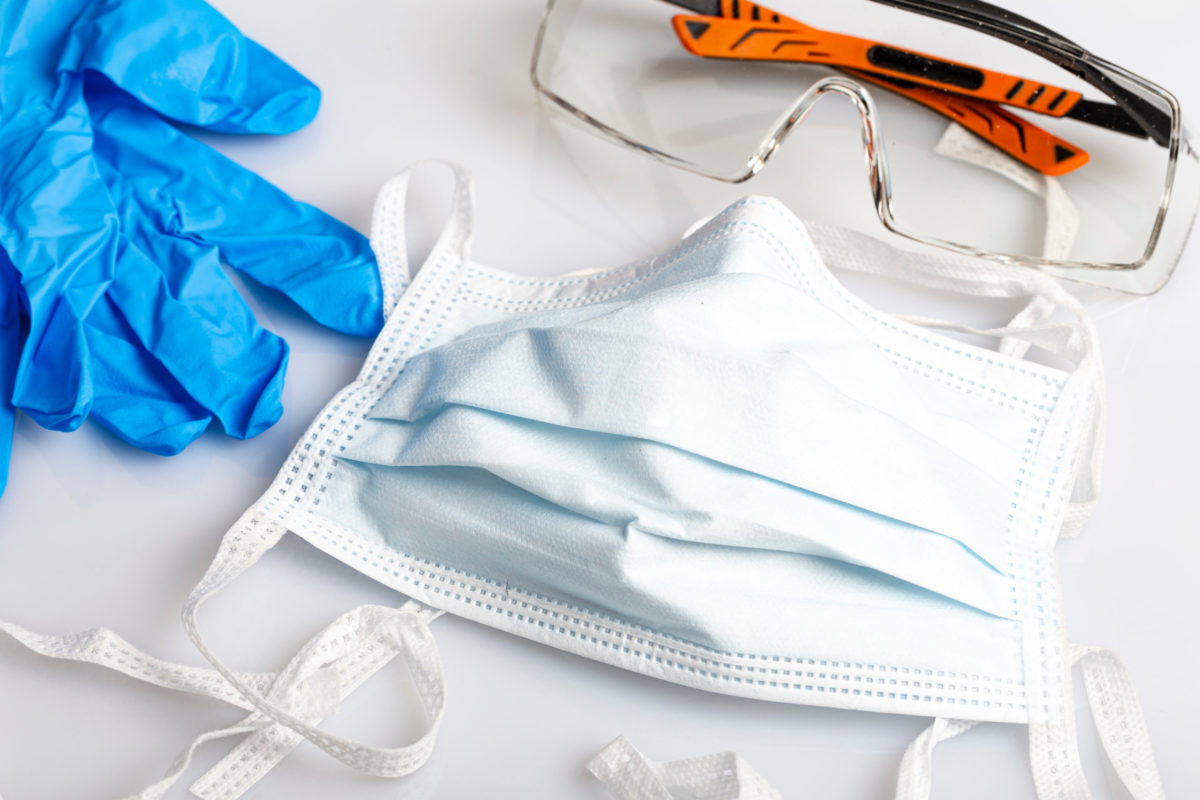
Even if counterintuitive, mandatory private-by-design digital contact tracing is the only ethical option for fighting COVID-19.

Can people infected with COVID-19 sue the people who transmitted the disease to them for negligence, even if those people did not do so knowingly?
Most physicians and bioethicists involved in establishing rationing of care guidelines have not claimed disability status. This needs to change.
Triage policies that use medical evidence to save more lives are legal, ethical, and better for patients with disabilities than other approaches.

Without minimizing the need for haste, it is important to remain aware of the risks inherent in rushing to treat patients with anything that might work.