
Responding to the Comeback of He Jiankui, ‘The CRISPR Baby Scientist’: Lessons from Criminal Justice Theory
By thinking carefully about what justice should entail, the scientific community will be better able to tailor their response to Dr. He.
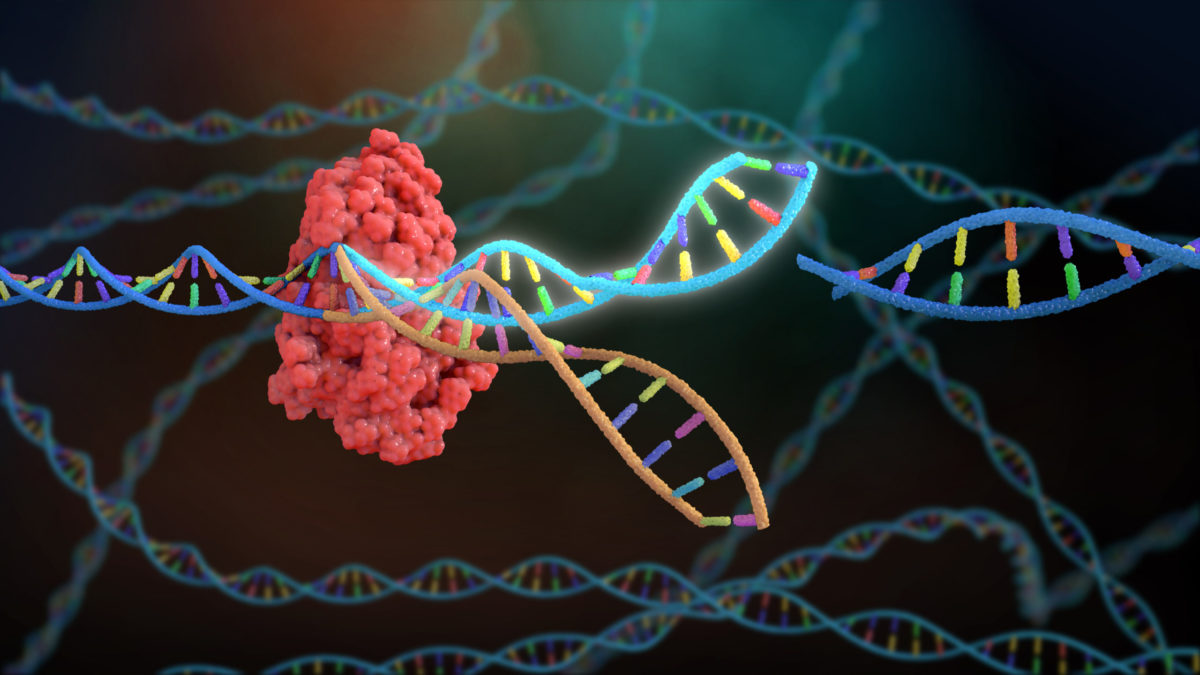
By thinking carefully about what justice should entail, the scientific community will be better able to tailor their response to Dr. He.
As we look ahead, both current and future pandemics will require tests that give us more granular information about disease.
The Personal Genetics Education Project (pgEd), is committed to working with lawyers and policymakers to bridge the knowledge gap between genetics and law.
The more jurisdictions that adopt a cautionary approach to their own regulations for genome editing, the more likely it is that negative world-wide consequences can be mitigated.
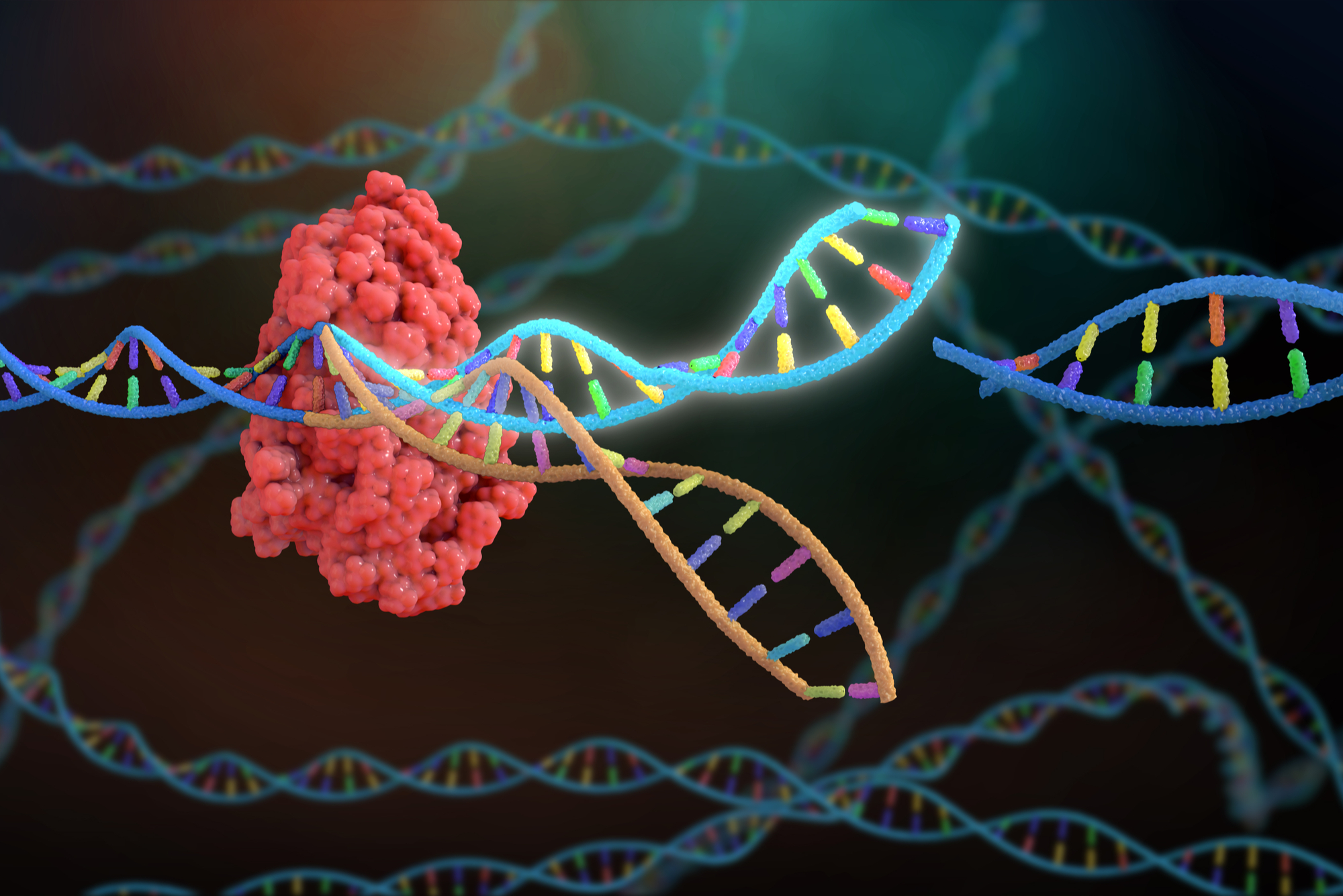
Ethical principles of health equity and justice must be examined as these new therapies are developed and progress to first-in-human clinical trials.
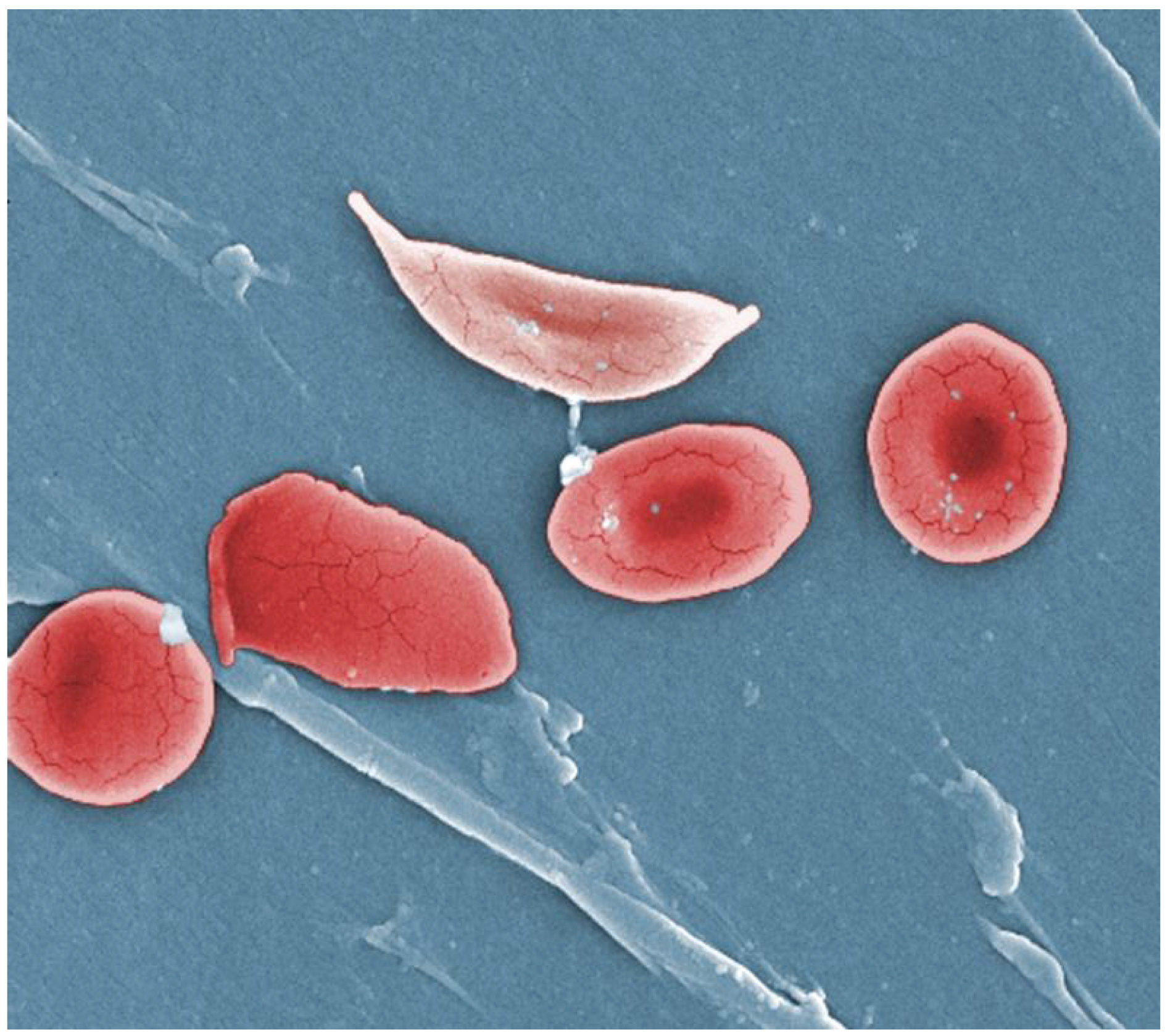
It is possible that particular gene drives will kill us all. But academia’s emphasis on the risks of human, rather than environmental, genetic engineering mean their heads are in the right place.
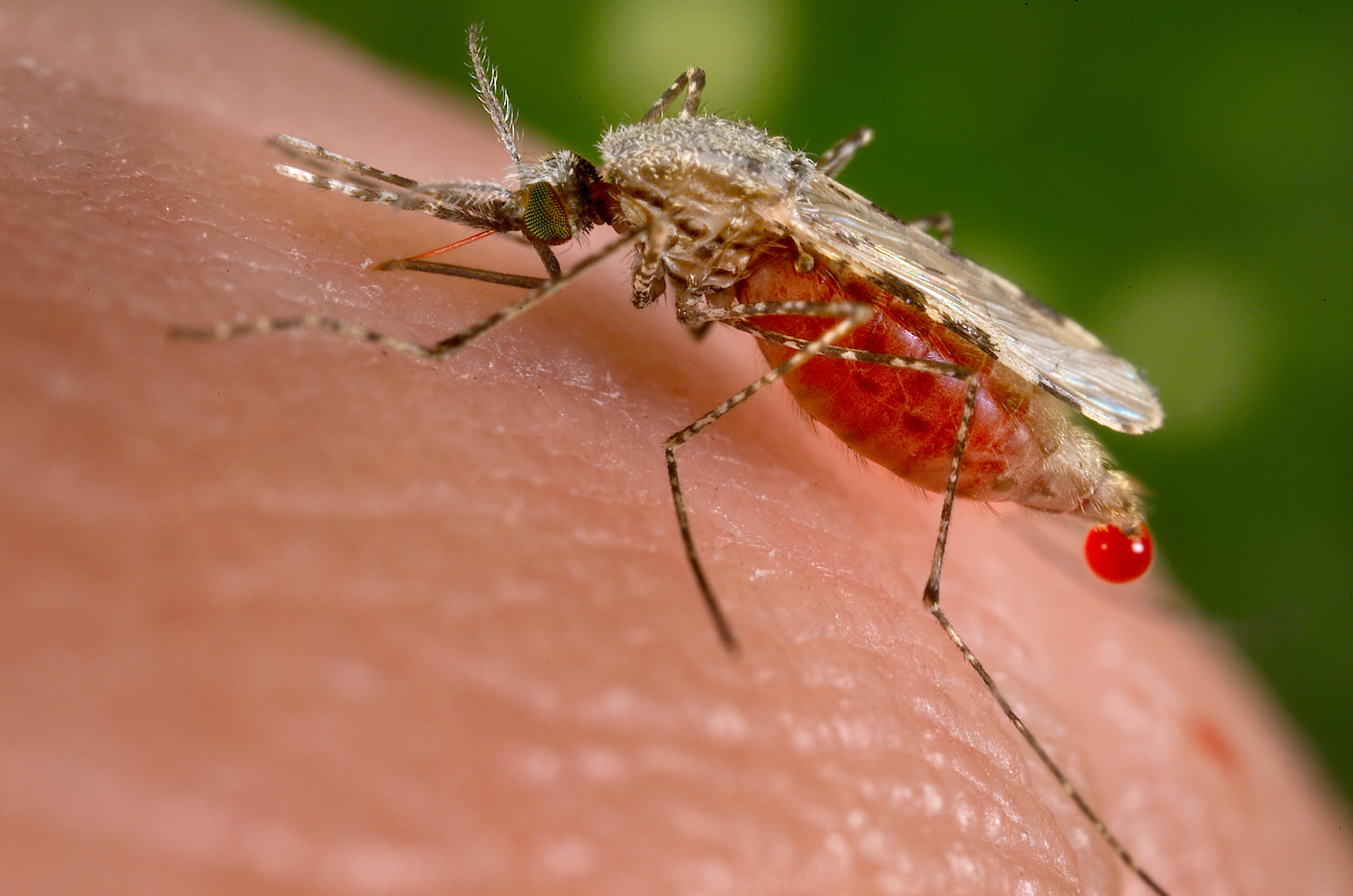
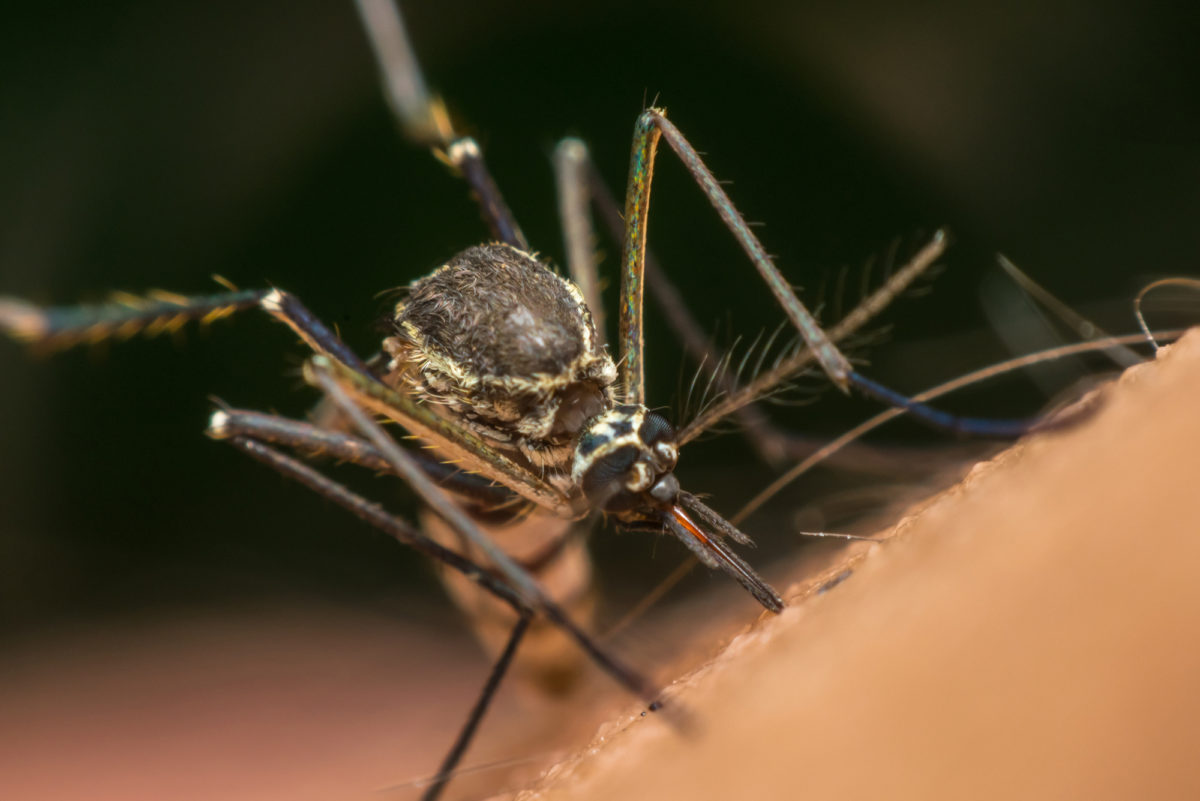
Despite being curable, and eliminated from most developed countries, malaria is the fifth deadliest infectious disease in the world. Gene drives could change that. Let’s give it a try.
Join us March 8 for a talk that will cover the science of genome editing, including CRISPR, and in particular, the scientific advances made in the field since its principal discovery as an engineering tool in 2012.

By Paul McLean Gene editing is at once promising and perilous. Or, as John Oliver said in a recent episode of his news show, it is ”either going to kill all disease or kill every last one of us.” The Nuffield Council on Bioethics is not as amusing as John Oliver, and unlike the summer…
By Timo Minssen, Esther van Zimmeren & Jakob Wested An earlier version of this contribution had been published in Life Science Intellectual Property Review (LSIPR). A voluntary pool or clearinghouse model may give rise to a robust commercial ecosystem for CRISPR and could include special provisions for royalty-free research use by academics. Hence, there may be a path through…