
Arizona’s Crisis Standards of Care and Fair Allocation of Resources During COVID-19
Arizona has done the right thing by adopting crisis standards of care instead of leaving these decisions about ventilators to be made ad hoc.
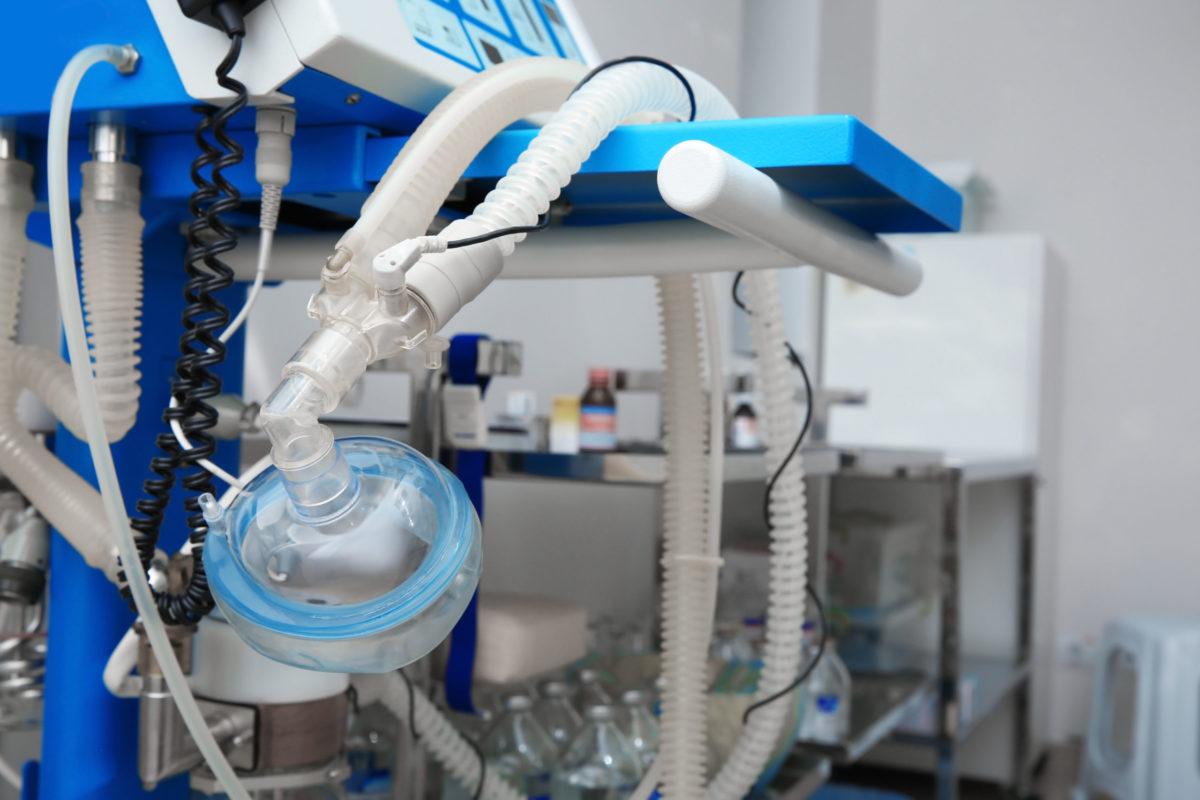
Arizona has done the right thing by adopting crisis standards of care instead of leaving these decisions about ventilators to be made ad hoc.
The Journal of Philosophy of Disability (JPD) is a new journal devoted to the philosophical study of disability.

It is clear that responses to the pandemic—with respect to more basic resources than ventilators—has been uneven, particularly for the most vulnerable.
Most physicians and bioethicists involved in establishing rationing of care guidelines have not claimed disability status. This needs to change.
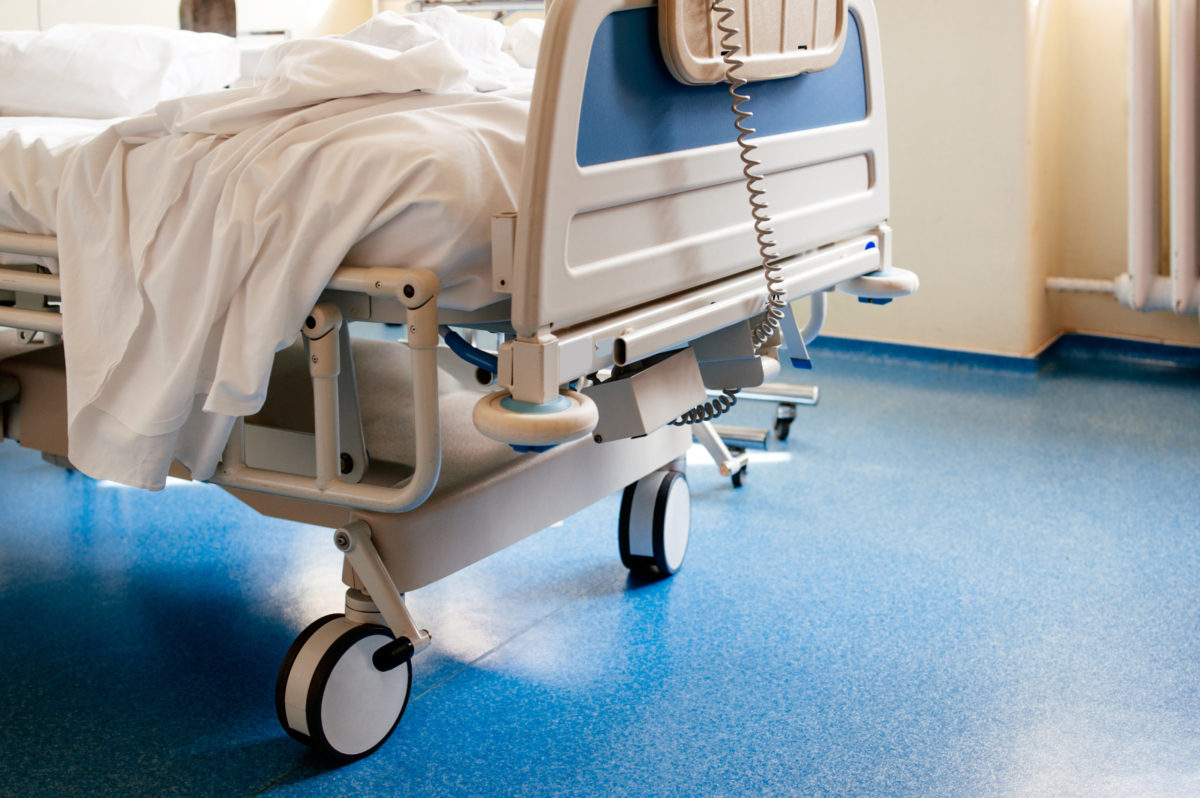
Triage policies that use medical evidence to save more lives are legal, ethical, and better for patients with disabilities than other approaches.

By Adriana Krasniansky Consumer tech has reduced daily friction for countless individuals, making it easier to control households, shop for groceries, and connect with loved ones. These technologies can be especially empowering for persons with disabilities, increasing accessibility and resolving frustrations of everyday activities. You may have seen related news in press releases and popular…

Persons with disabilities constitute the largest health disparities group in the U.S., but they have largely been absent from the conversations on precision medicine research.

By Aobo Dong After suffering from Alzheimer’s disease for more than two decades, my grandma quietly passed away at a nursing home in California several years ago. This may sound like a story too common to tell in the United States. However, my grandma never wanted to go to a nursing home in the first…
By Aobo Dong According to Vardit Ravitsky’s paper on “Shifting Landscape of Prenatal Testing,” there exist two competing rationales for prenatal screenings for severe disabling conditions like Down syndrome. The “reproductive-autonomy” rationale justifies screening by invoking a woman’s individual autonomy. In contrast, the “public health rationale” justifies pre-natal screening and termination due to a Down…
By David Seminowicz A potential difficulty, but also an opportunity, relating to using neuroimaging evidence in legal cases arises from the difficulty brain researchers have in separating emotional and physical pain. We know that pain and emotion are tightly linked. In fact, “emotion” is in the very definition of pain. The IASP definition of pain…