Assisted Reproduction in a Post-Dobbs US
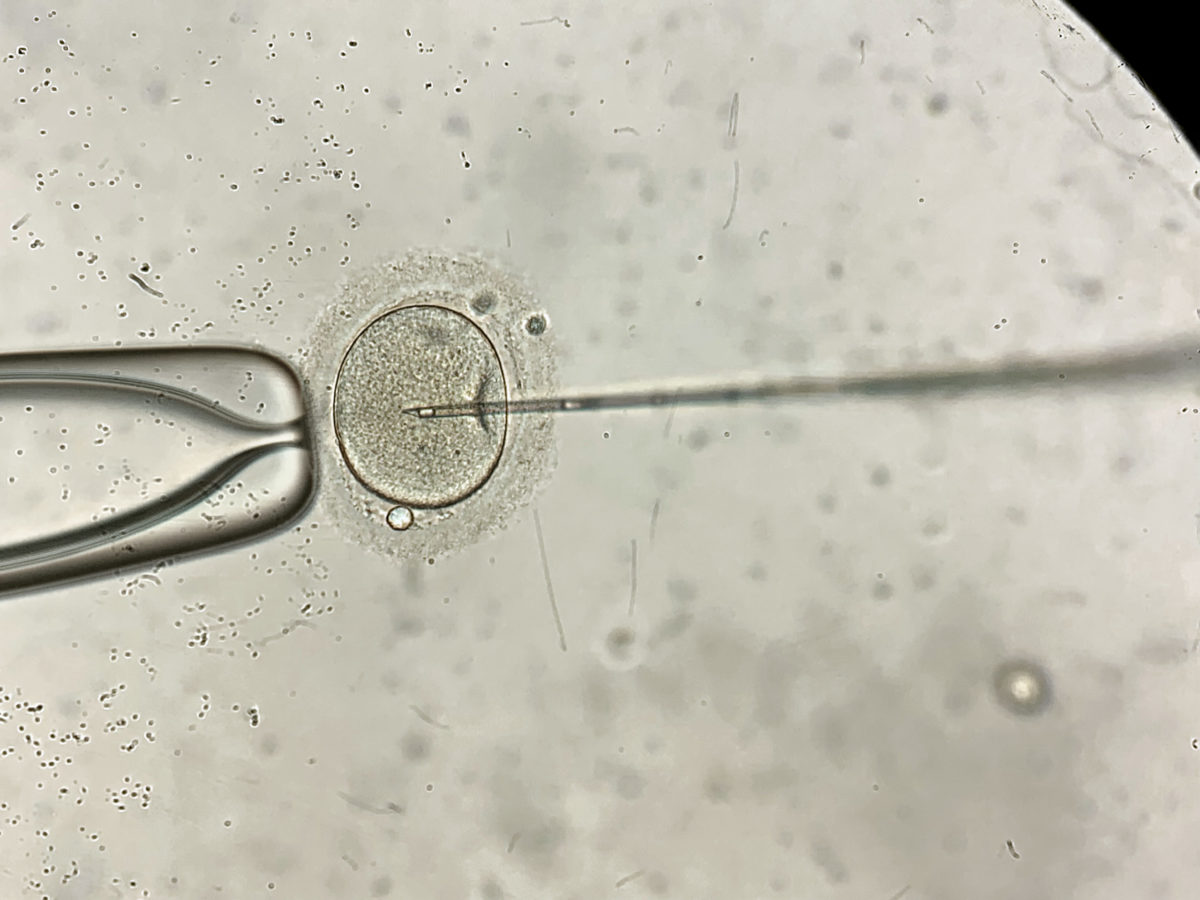
Assisted reproductive technologies face an uncertain future as anti-abortion policymakers work to restrict access to reproductive care post-Dobbs.

Assisted reproductive technologies face an uncertain future as anti-abortion policymakers work to restrict access to reproductive care post-Dobbs.
In the post-Dobbs world, the accessibility of modern reproductive technologies is morphing from an intentional design feature into a dystopian defect.

Never before in my career would the possibility of criminal prosecution loom as a consequence of making decisions in the patient’s best interest.
The Argentine experience offers insights to consider for countries at different stages of abortion struggles.

Older federal health laws are on a downward spiral to address modern health problems, but the spiraling can reversed — if Congress acts.

As state and federal public health authority erodes, employers may increasingly find themselves playing a central role in promoting public health.
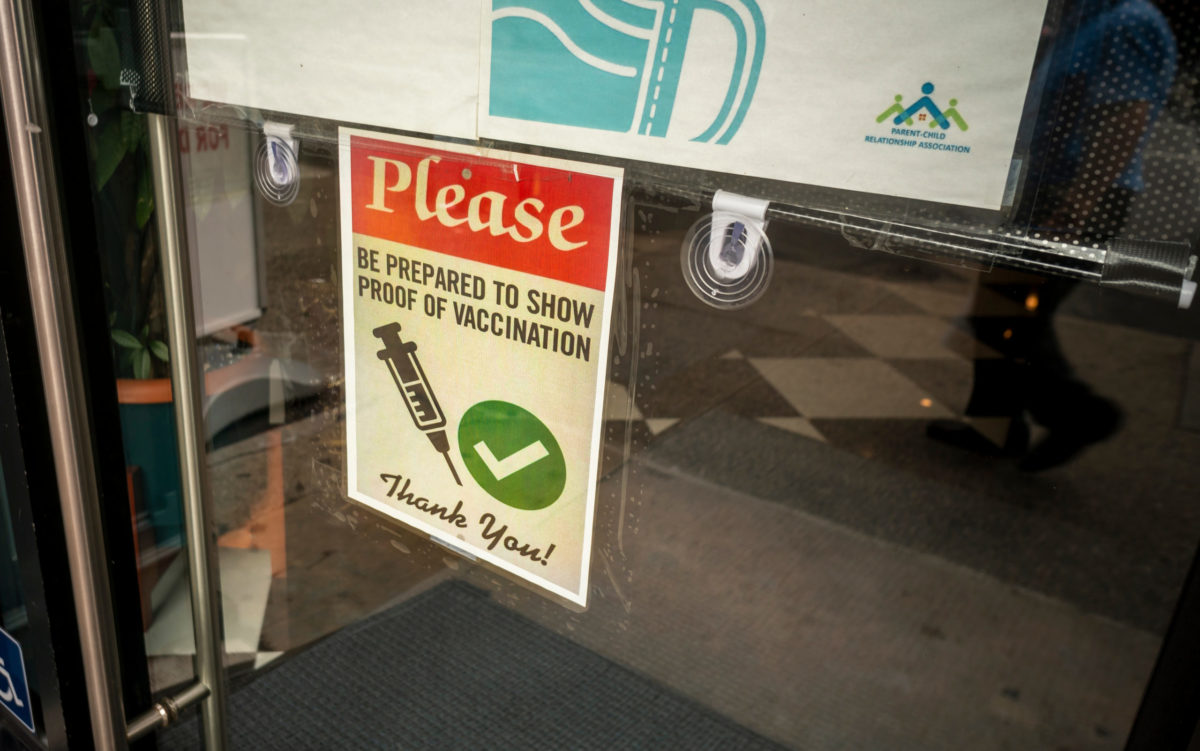
Judicial partisanship is a major threat to public health. Congress should implement reforms to address this problem at its roots.

If public health is to prosper, we will need to overcome the after-effects of several failures of imagination.

Certain aspects of public health law as we know it are dead. In this symposium, we propose a path forward to create a “new public health” from the ashes.

In a post-Dobbs world, more women will find the technologies they rely on for their health turned against them as tools of surveillance.