Bold Steps Needed to Correct Course in US Drug Policies
Moving the United States beyond the opioid overdose crisis and pernicious inequities in law enforcement requires bold, innovative solutions.
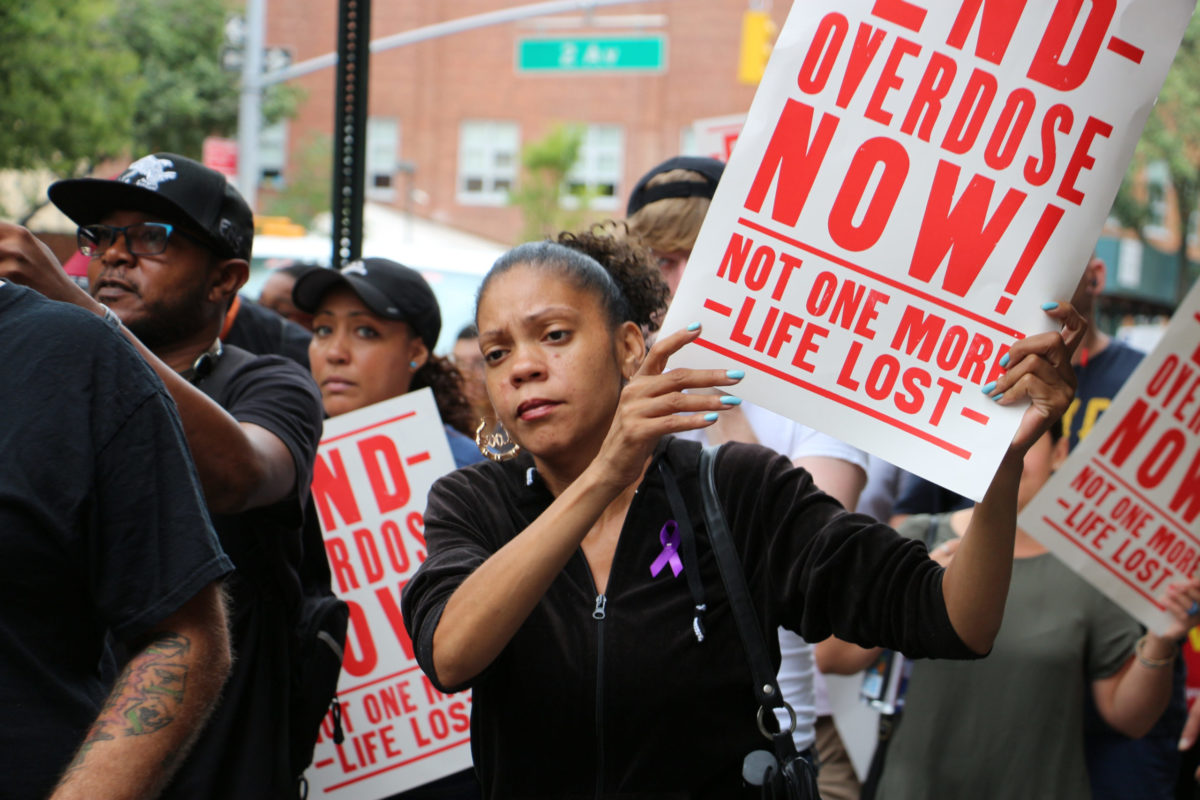
Moving the United States beyond the opioid overdose crisis and pernicious inequities in law enforcement requires bold, innovative solutions.
Knowing more about the ways that viruses spread could help us avoid the pitfalls of declaring victory too early.

Even the best pandemic planning cannot account for elected representatives refusing to govern in the name of public health.

The failure to control the COVID-19 pandemic in the United States rests, in part, on the individualist nature of our public health responses.

The CDC already has all the power it needs to limit the movement of people in order to slow the spread of COVID-19.

The Petrie-Flom Center and the Solomon Center for Health Law Policy are interested in tracking when crisis settles into the new normal.

By Leslie Francis and Margaret Pabst Battin This post is part II of a two-part series on pandemic control strategies in response to COVID-19. New testing methods may allow us to avoid many of the inequities and injustices of the traditional methods of pandemic control, if we can deploy them quickly enough.

Your life and the lives of many others may depend now on isolation, quarantine, cordon sanitaire, shelter in place, or physical distancing.

By Valerie Gutmann Koch, Govind Persad, and Wendy Netter Epstein On March 17, the Washington Post published an op-ed by Dr. Jeremy Faust, titled Make This Simple Change to Free Up Hospital Beds Now. In it, he argues that cities and states should “temporarily relax the legal standard of medical malpractice,” in order to encourage…
By Alicia Ely Yamin and Ole F. Norheim Scholarly and official statements and publications regarding human rights during the current pandemic have largely reiterated the important lessons learned from HIV/AIDS, Zika and Ebola, such as: engagement with affected communities; combatting stigma and discrimination; ensuring access for the most vulnerable; accounting for gendered effects; and limiting…