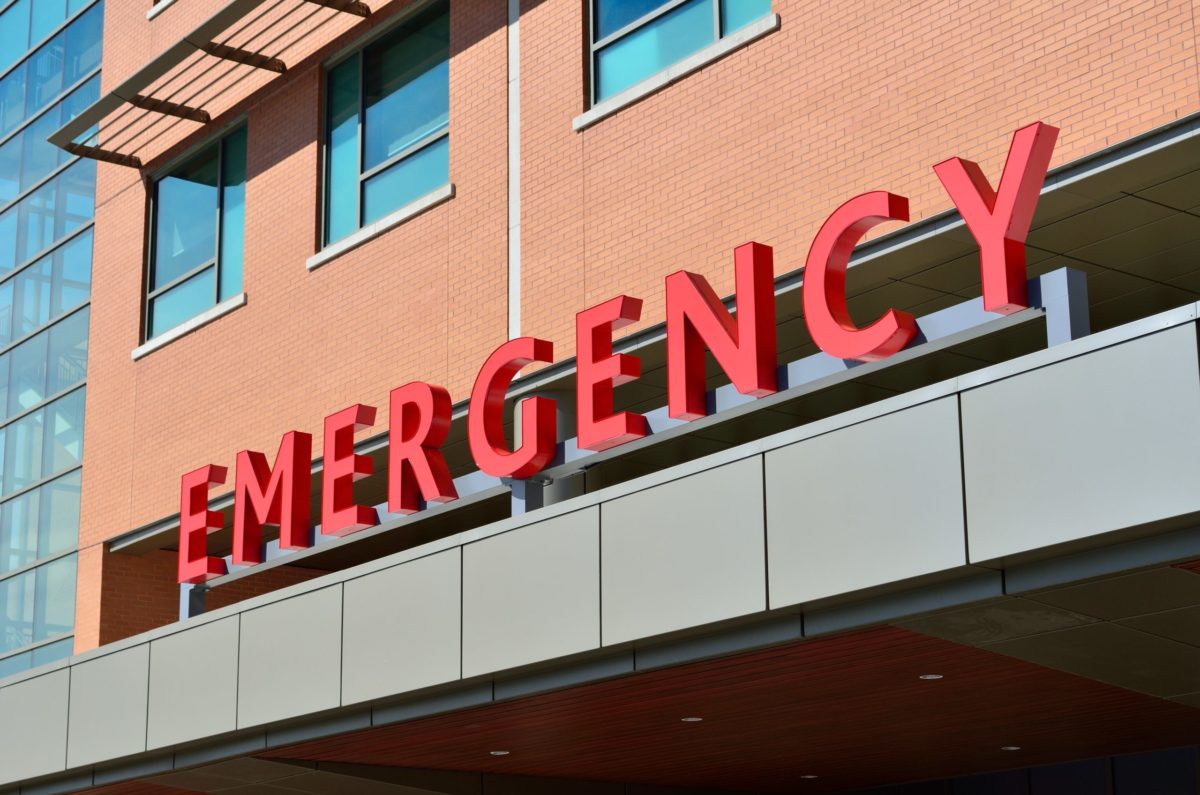
How Community Organizations and Health Departments Can Partner to Advance Health Justice
During the pandemic, community-based organizations filled many gaps by delivering services that local governments could not provide.
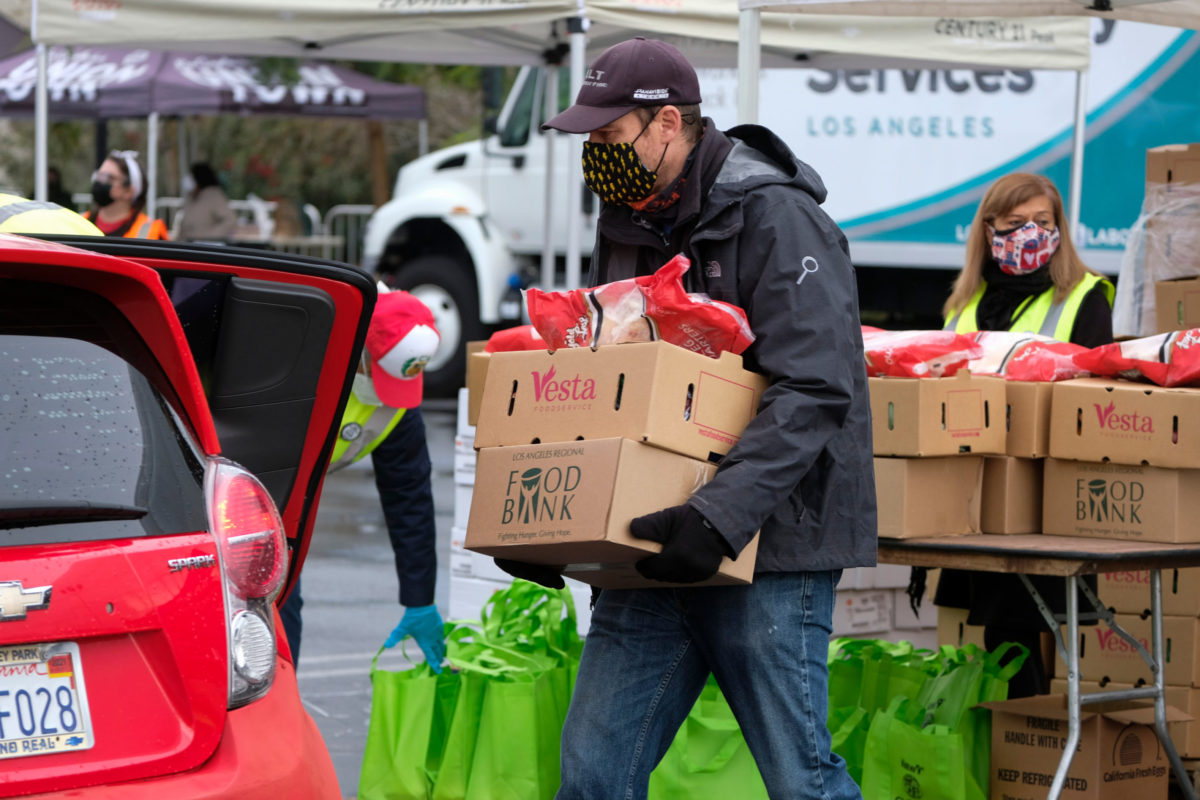
During the pandemic, community-based organizations filled many gaps by delivering services that local governments could not provide.
It’s time to re-envision and invest in a new public health infrastructure, one that is equipped and authorized to respond to the global crises we’re facing.
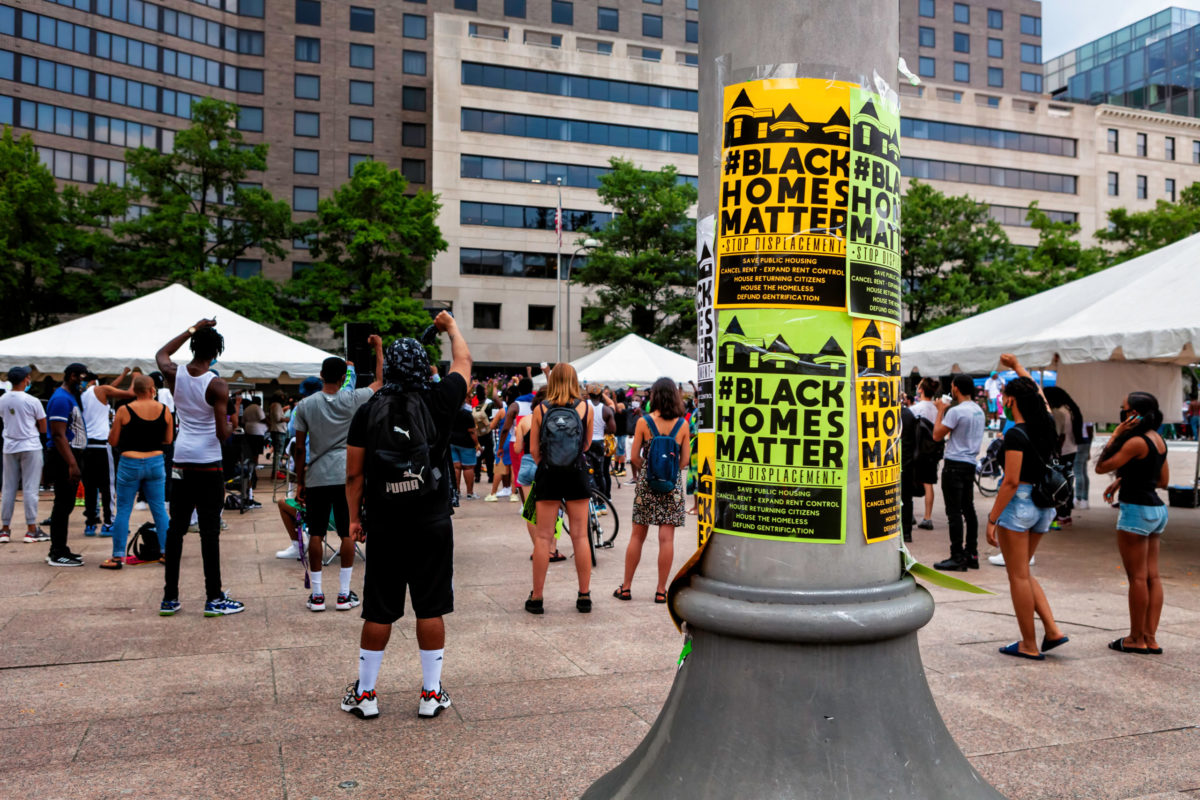
I grew up in the South Bronx, insulated from the absence of health justice until the fourth grade, when I began attending private school.

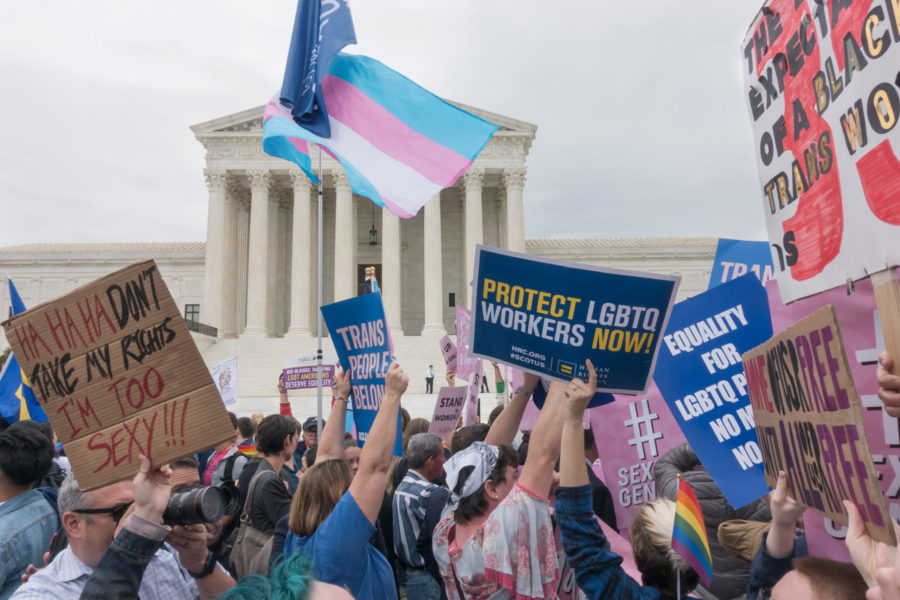
The health justice framework, with its emphasis on systems-level transformation, must guide work in the area of LGBTQ health equity.
Researchers and advocates have long-documented the disparate punishment and policing of BIPOC students compared to their white peers.

We encourage Congress to pass recently introduced legislation that allocates funding to the development of Medical-Legal Partnerships.
To us, health justice means change. Not cosmetic or peripheral change, but wide-scale, systemic change.

Rather than simply recognizing the existence of social determinants of health, we must do the hard work to create and re-create systems.
Well-being and ill-being can be measured in many ways, but health is a fundamental part of the picture and is inextricably intertwined with justice.
Healing processes can operationalize the three components of the health justice framework to address the trauma of medical racism.