Health Justice, Structural Change, and Medical-Legal Partnerships
To us, health justice means change. Not cosmetic or peripheral change, but wide-scale, systemic change.

To us, health justice means change. Not cosmetic or peripheral change, but wide-scale, systemic change.
Rather than simply recognizing the existence of social determinants of health, we must do the hard work to create and re-create systems.

Well-being and ill-being can be measured in many ways, but health is a fundamental part of the picture and is inextricably intertwined with justice.
The length of medical training unnecessarily compromises trainees’ ability to balance their careers with starting families.
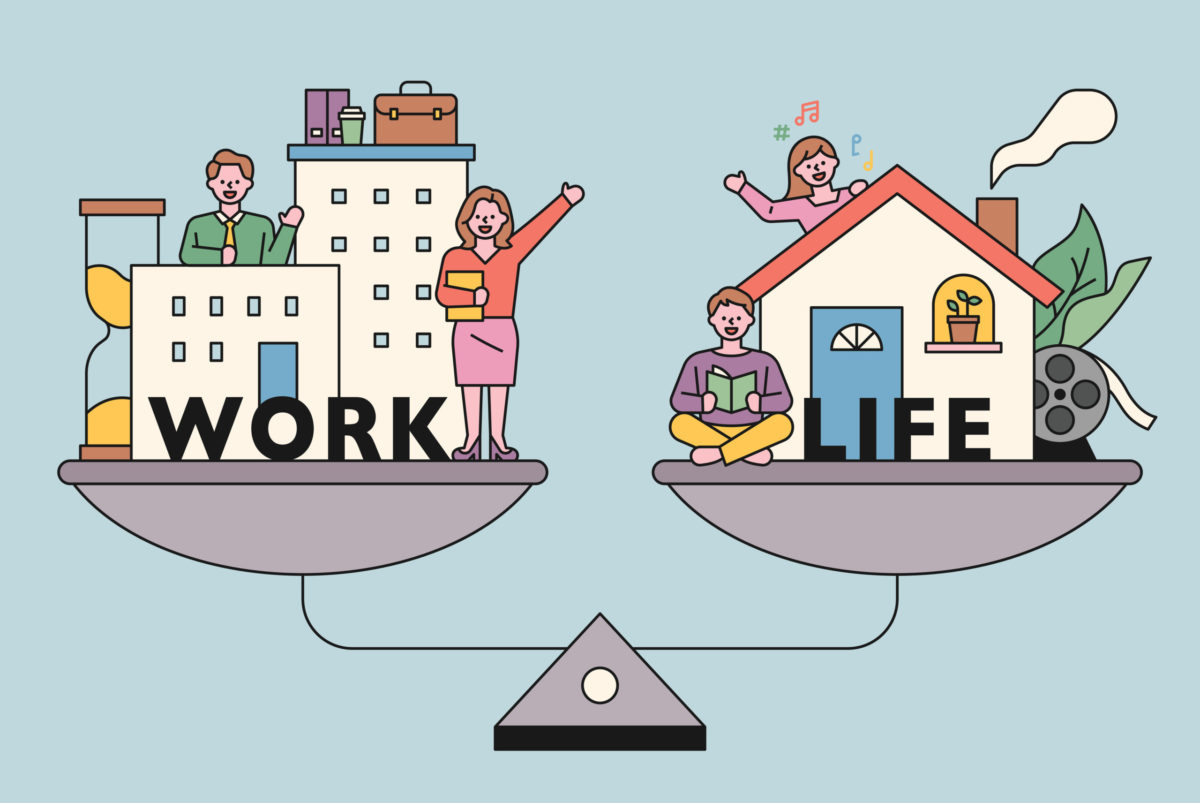
Healing processes can operationalize the three components of the health justice framework to address the trauma of medical racism.
We can pave the way for our students to lead hospitals, courthouses, and statehouses in a collaborative pursuit of health justice.

This blog post applies the health justice lens to inequities in immigrant health and access to health care.
Both vulnerability theory and health justice conceive of the relationship between law and behavior as holistic and constructive.
Addressing health injustice requires situating it within such a network of interacting forces, not treating it as a discrete problem.

Reproductive health, rights, and justice have been the proverbial canaries in the coal mine when considering the loss of bodily autonomy and human rights.