
Why Do Differences in Clinical Trial Design Make It Hard to Compare COVID-19 Vaccines?
Because of differences in how they were tested in clinical trials, it is difficult to make apples-to-apples comparisons for COVID-19 vaccines.

Because of differences in how they were tested in clinical trials, it is difficult to make apples-to-apples comparisons for COVID-19 vaccines.
What obligations do researchers have to disclose potentially life-altering incidental findings as they happen in real time?

Obtaining voluntary competent informed consent is a critical aspect to conducting ethical deep phenotyping research.

What data may be considered “actionable” for the physician to disclose to the patient, and how might this be done?

Human subjects research has long been plagued by racial inequality. While flagrant abuses have been curtailed, disparities have, unfortunately, persisted.

Almost immediately, there was a public outcry about the possibility that this was an illegal or unethical “research experiment.”
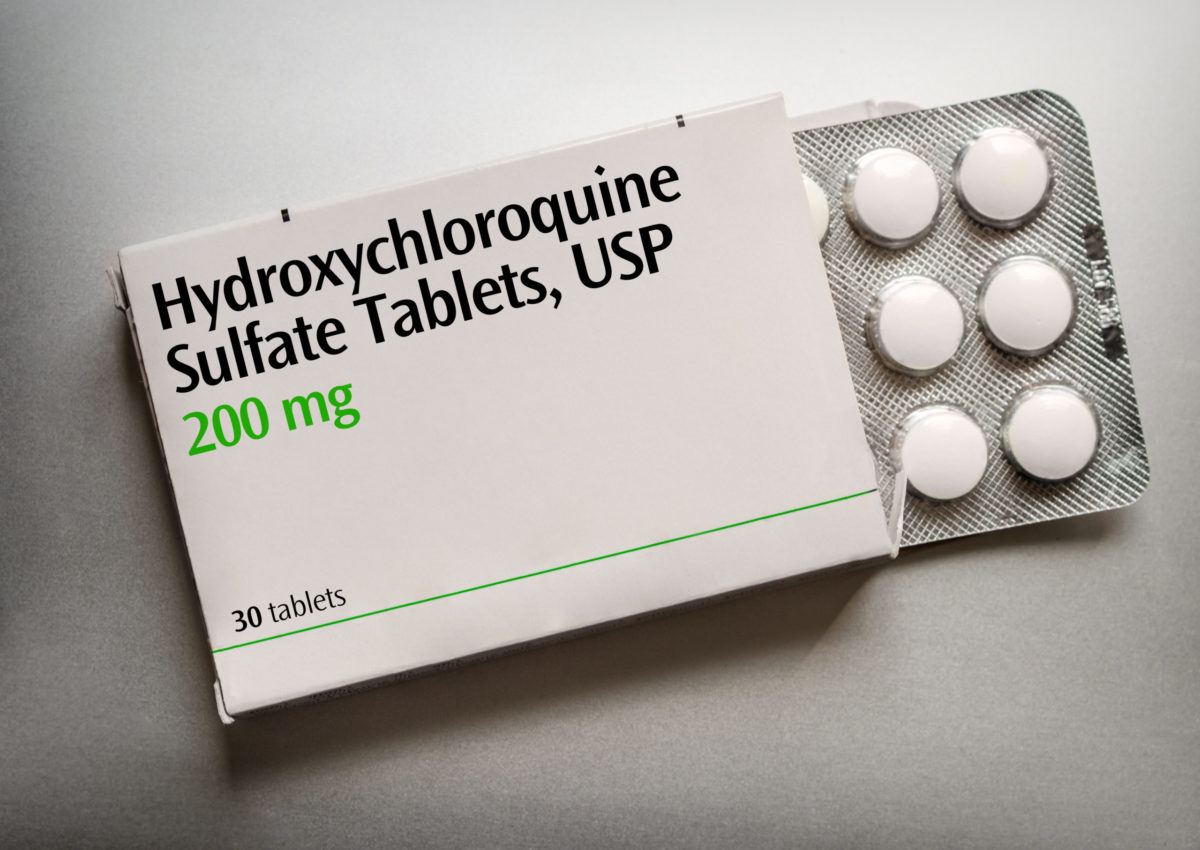
Without minimizing the need for haste, it is important to remain aware of the risks inherent in rushing to treat patients with anything that might work.

By Mason Marks FDA Commissioner Scott Gottlieb issued a statement on Tuesday about the controversial plant Mitragyna speciosa, which is also known as kratom. According to Gottlieb, kratom poses deadly health risks. His conclusion is partly based on a computer model that was announced in his recent statement. The use of simulations to inform drug…
By Leslie Francis Persistent differences in participation in clinical trials by race and ethnicity are well known; for example, the 2015 Report of the Working Group on Precision Medicine (PMI) relies on statistics that only 5% of clinical trial participants are African-American and only 1% are Hispanic. A recently-launched website of the FDA, “Drug Trials…
By Zachary Schrag [Cross-posted from Institutional Review Blog] While the NPRM might do much to reduce the number of projects requiring IRB review, it would do little to improve the quality of review for those projects for which it is still required. This is a retreat from the more ambitious plans of the 2011 advance…