
FRAND Terms for Pandemic-essential Intellectual Property Rights
The use of fair, reasonable and non-discriminatory (“FRAND”) terms in the licensing of intellectual property rights could foster cooperation in pandemics.

The use of fair, reasonable and non-discriminatory (“FRAND”) terms in the licensing of intellectual property rights could foster cooperation in pandemics.
A pandemic instrument should enhance roles for and communication between regional and global governmental bodies and especially non-governmental actors.

The international community must avoid entrenching in international law a system indifferent to right-to-health core obligations.

The age of hyper-globalization requires global institutions that enable global – collective – responses to contain pandemics worldwide.

As policymakers consider proposals aimed at preventing another pandemic, the integration of the science-policy interface in their design is important.

Multiple entries argue that justice requires going beyond narrow disease surveillance to enhance legal as well as health system preparedness.
By understanding legal obligations in terms of solidarity, states would be guided toward actions that favor collective over individual benefit.

Amid discussions of a pandemic treaty, it bears emphasizing that any framework that does not reckon with cost will fall short of an acceptable solution.

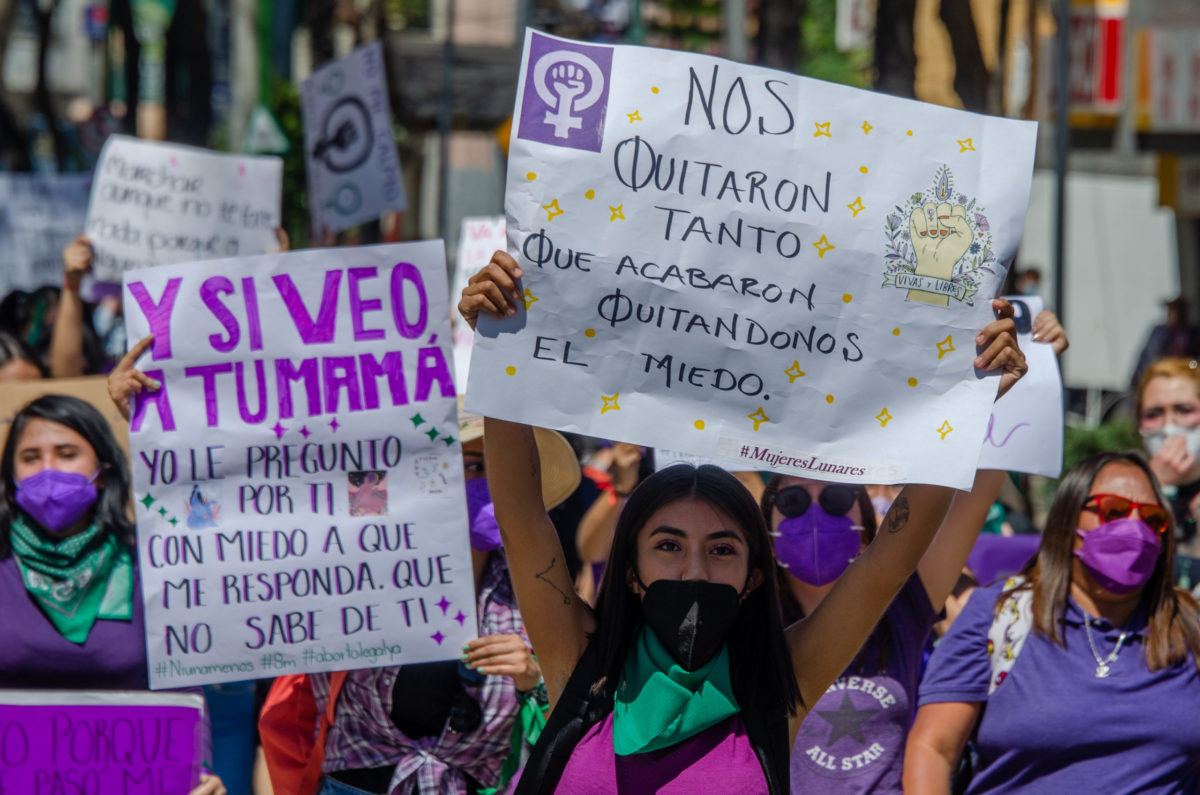
An international instrument on pandemic preparedness and response should advance gender equality through inclusive global and national governance.
The broken world in which we find ourselves underscores the imperative of reflecting on how lawmaking can be used to advance scientific innovation.