Strengthening Global and National Governance for Gender Equality in Health Emergencies
An international instrument on pandemic preparedness and response should advance gender equality through inclusive global and national governance.
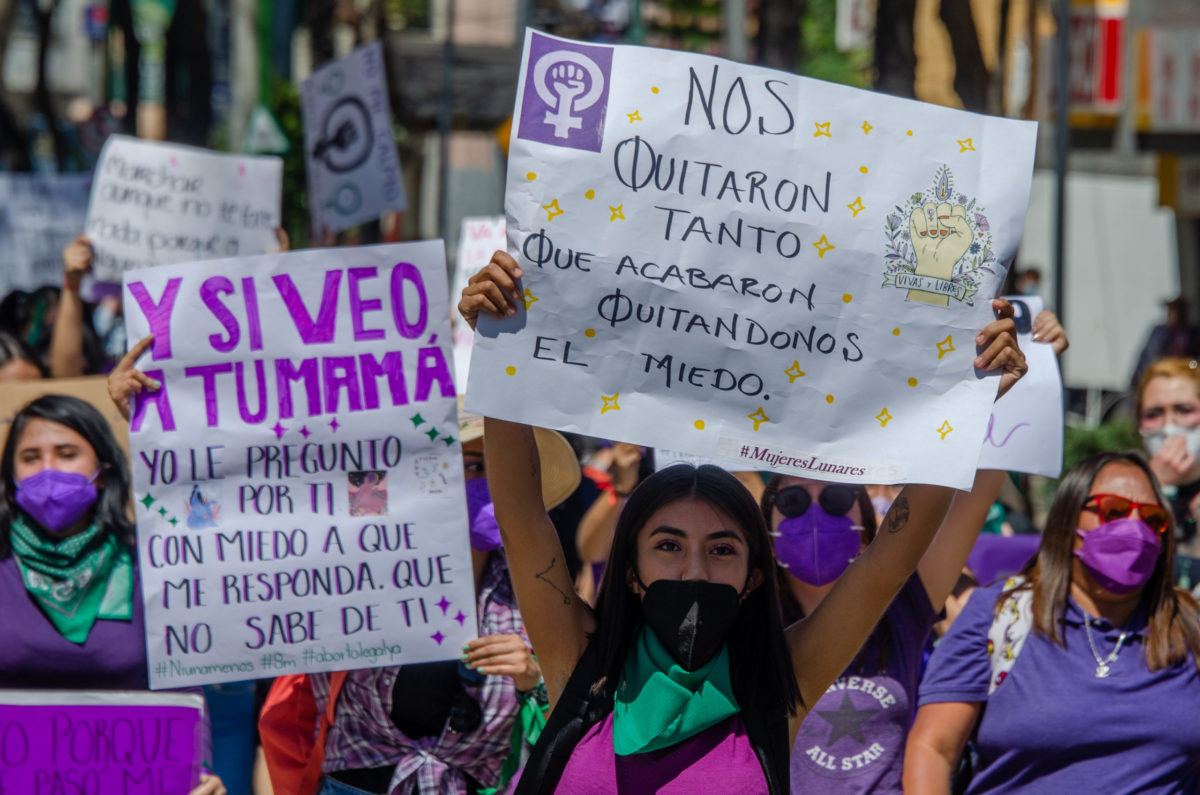
An international instrument on pandemic preparedness and response should advance gender equality through inclusive global and national governance.
WHO has an opportunity to advance extraterritorial obligations under the right to health as an international legal basis for global solidarity.
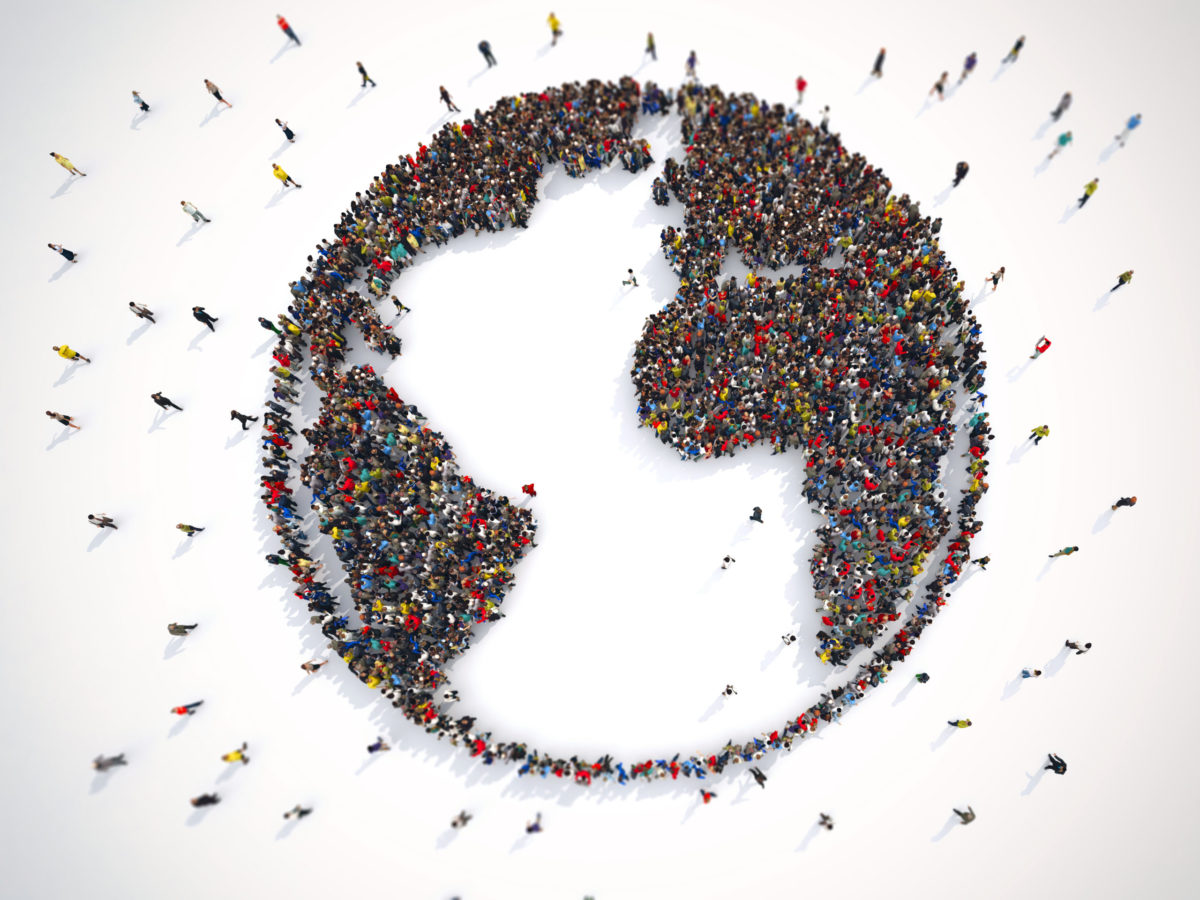
The COVID-19 pandemic has shown us time and time again that whatever progress we make in curbing transmission of the virus is fragile and easily reversed.
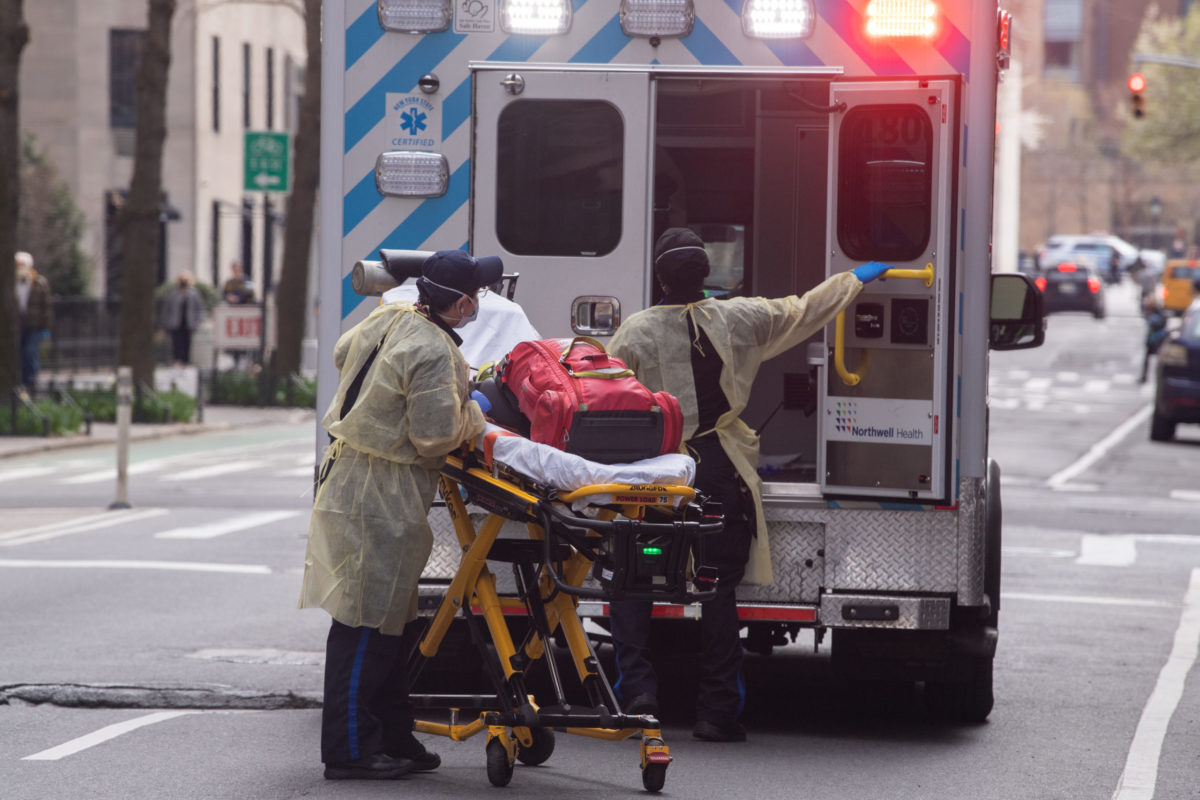
Our research shows that social movement activism is an integral part of service delivery for sexual and reproductive health and gender-based violence.
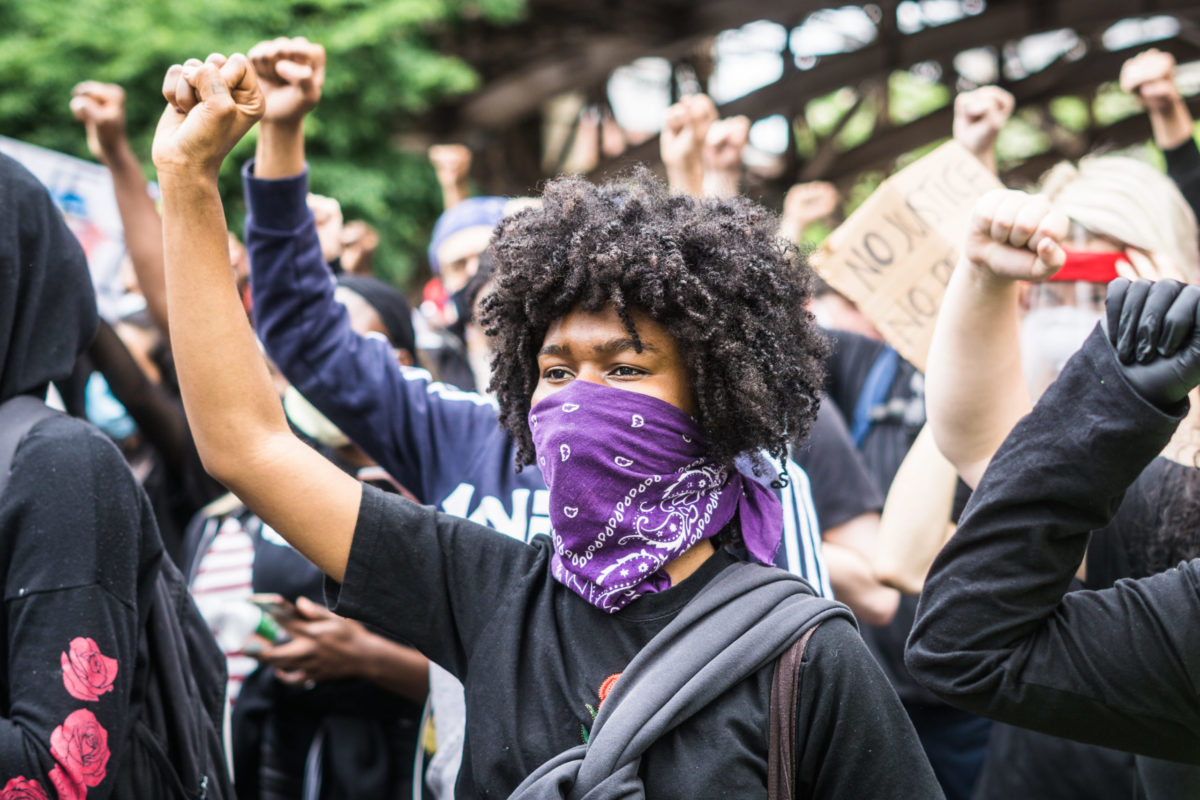
A new pandemic instrument should explicitly embrace the three emerging global regulatory standards of due diligence, due regard, and regulatory coherence.
An innovative pandemic treaty could become a transformative model of global solidarity in the face of common threats.
The state-centric infectious disease regime violates the fundamental principle of how contagious diseases spread within and across countries.
Where a health state is intertwined with carceral logics, enforcement becomes coercive.

Social movements’ impact need not be salutatory, as is evident by the success that the anti-vax movement has had during the COVID-19 pandemic.

The pandemic showed that community-based supports can foster safety and accountability without requiring state intervention.