
We May Not ‘Own’ Our Bodies. Should We?
The property law approach to ownership does not draw hard lines with respect to biological materials like tissue.

The property law approach to ownership does not draw hard lines with respect to biological materials like tissue.
Amid ongoing patent disputes over the mRNA platform, a significant scientific question remains unanswered: whether mRNA itself even is patent eligible.
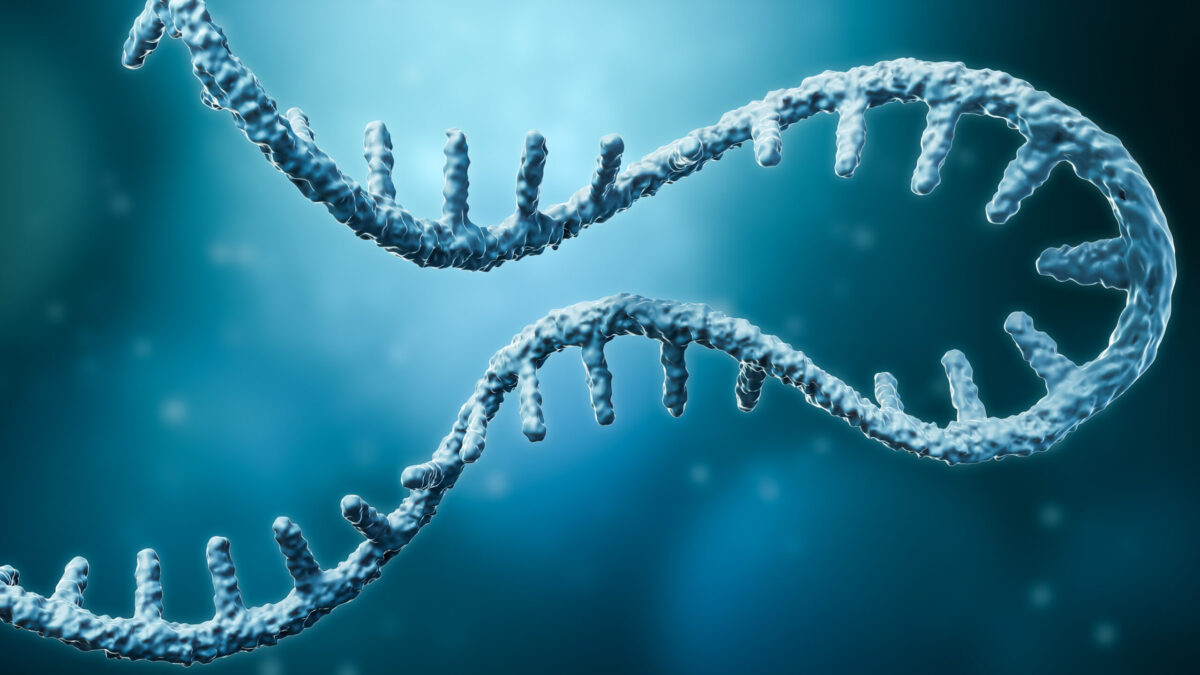
Including purified and isolated materials as eligible subject matter under 35 U.S.C. § 101 can benefit patients, researchers, and innovation.
The NIH, which funded much of Moderna’s research on the COVID-19 vaccine, should be assertive in exerting control over the results of this research.
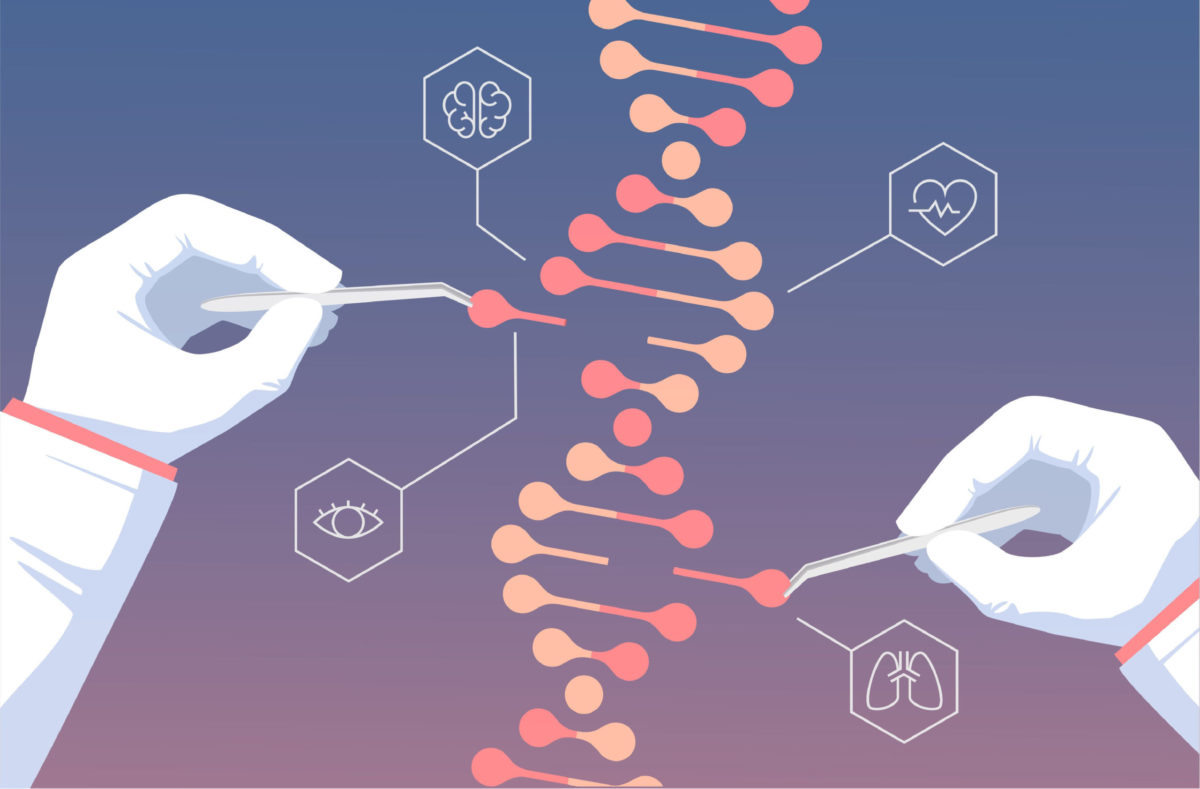
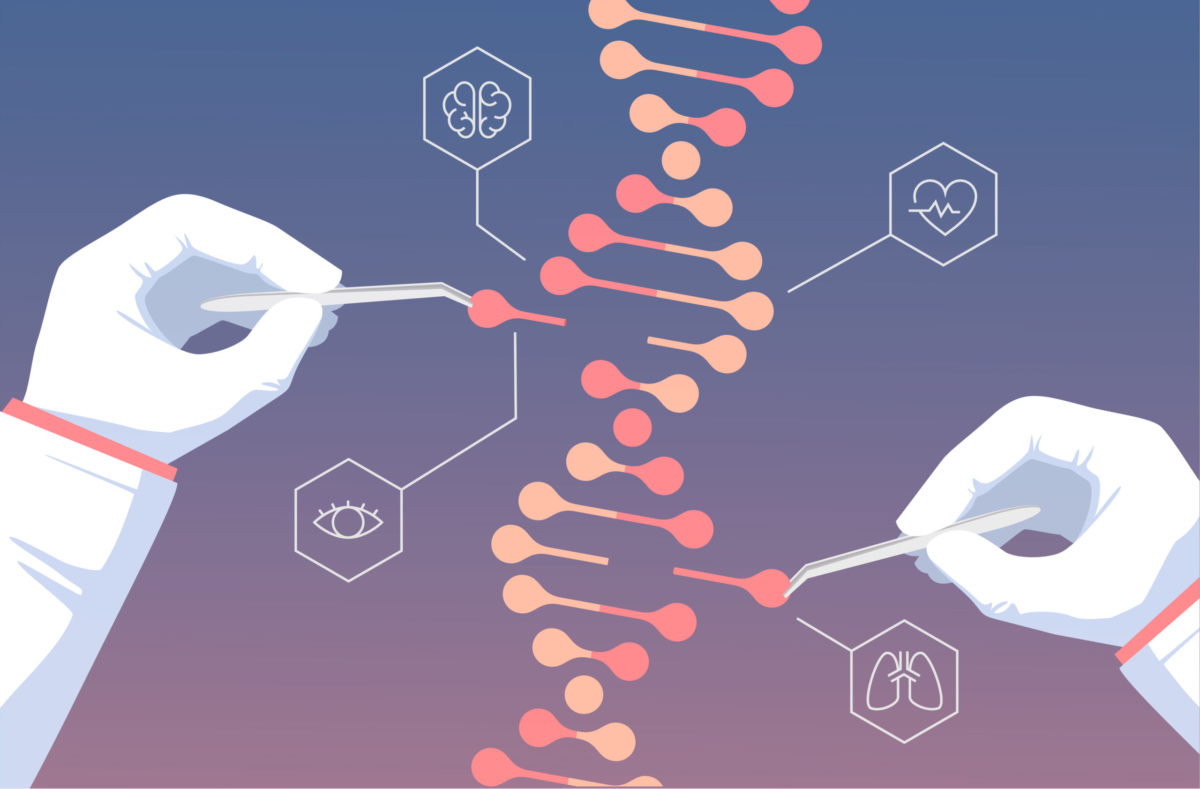
The ACLU mounted an unprecedented challenge the entire practice of gene patenting in America. And, against the odds, they won.
It remains to be seen whether Congress or the Administration adopt more decisive measures toward the control of drug prices than they have in the past.

In case you missed it live on Monday evening, video from the Petrie-Flom Center’s event “Gene Patenting, the Supreme Court’s Myriad Decision, and the Future of Biotechnology” (co-sponsored by the Broad Institute) is now available here. 09/27/13 UPDATE: Our intern Fatima Mirza also wrote up this summary: At this event, a distinguished panel of law and…
By Arthur Caplan Bill of Health contributor Art Caplan weighed in on the Supreme Court’s decision in the Myriad case with an opinion piece at NBC: “The Supreme Court has finally done what should have been done years ago — declared that genes which naturally exist in all of us cannot be patented. For years…