
COVID ‘Compromise’ on International IP Underscores Need for New Approach
For COVID treatments and diagnostics to be broadly available at affordable prices, their IP must be considered a global public good.
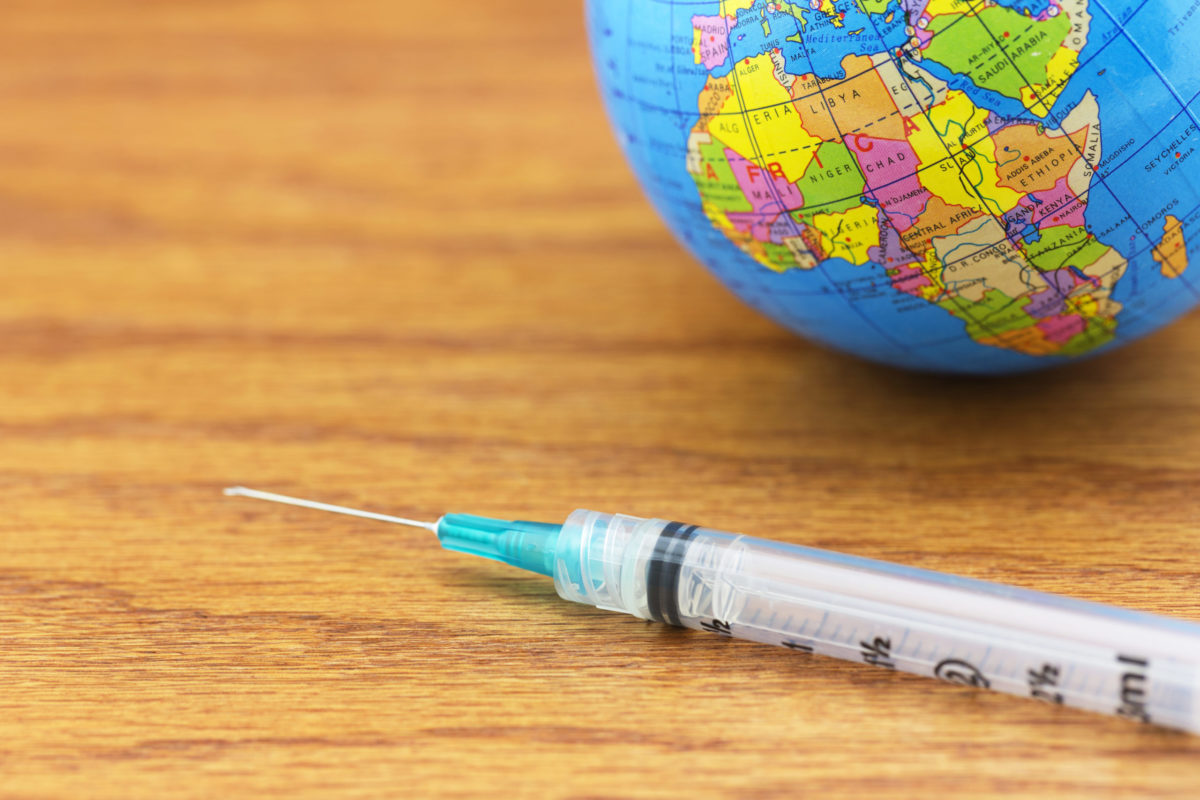
For COVID treatments and diagnostics to be broadly available at affordable prices, their IP must be considered a global public good.
Tackling the question of how to address the needs for sharing scientific research is fundamental to any pandemic treaty discussion.
The use of fair, reasonable and non-discriminatory (“FRAND”) terms in the licensing of intellectual property rights could foster cooperation in pandemics.

Putting vaccine equity at the center of a pandemic treaty will already be a huge step towards global health’s decolonization.
The pandemic has laid bare the lack of regulation for the sharing of intellectual property needed for an effective and equitable response.
Activists in the access-to-medicines movement have mobilized to combat the threat of vaccine/therapeutic apartheid during the COVID-19 pandemic.
Going forward, practical solutions should focus on scaling up manufacturing and supply, and improving access and affordability.

An explanation of the WTO waiver of COVID-19 intellectual property, what the U.S. declaration of support means, and likely effects of the waiver.

Join us at yet another webinar with J. Wested at the University of Copenhagen. This time we will debate procedural issues in compulsory licensing with H. Grosse Ruse-Kahn (University of Cambridge) & M. Desai (Eli Lilly). Further information on our webinar series is available at here, here, and below: Procedural Aspects of Compulsory Licensing under Trade-Related Aspects of Intellectual…