
Barriers to Dental Care Abound for Individuals with Developmental Disabilities
People with developmental disabilities are often less able to care for their teeth, and sometimes require special services not offered during routine care.
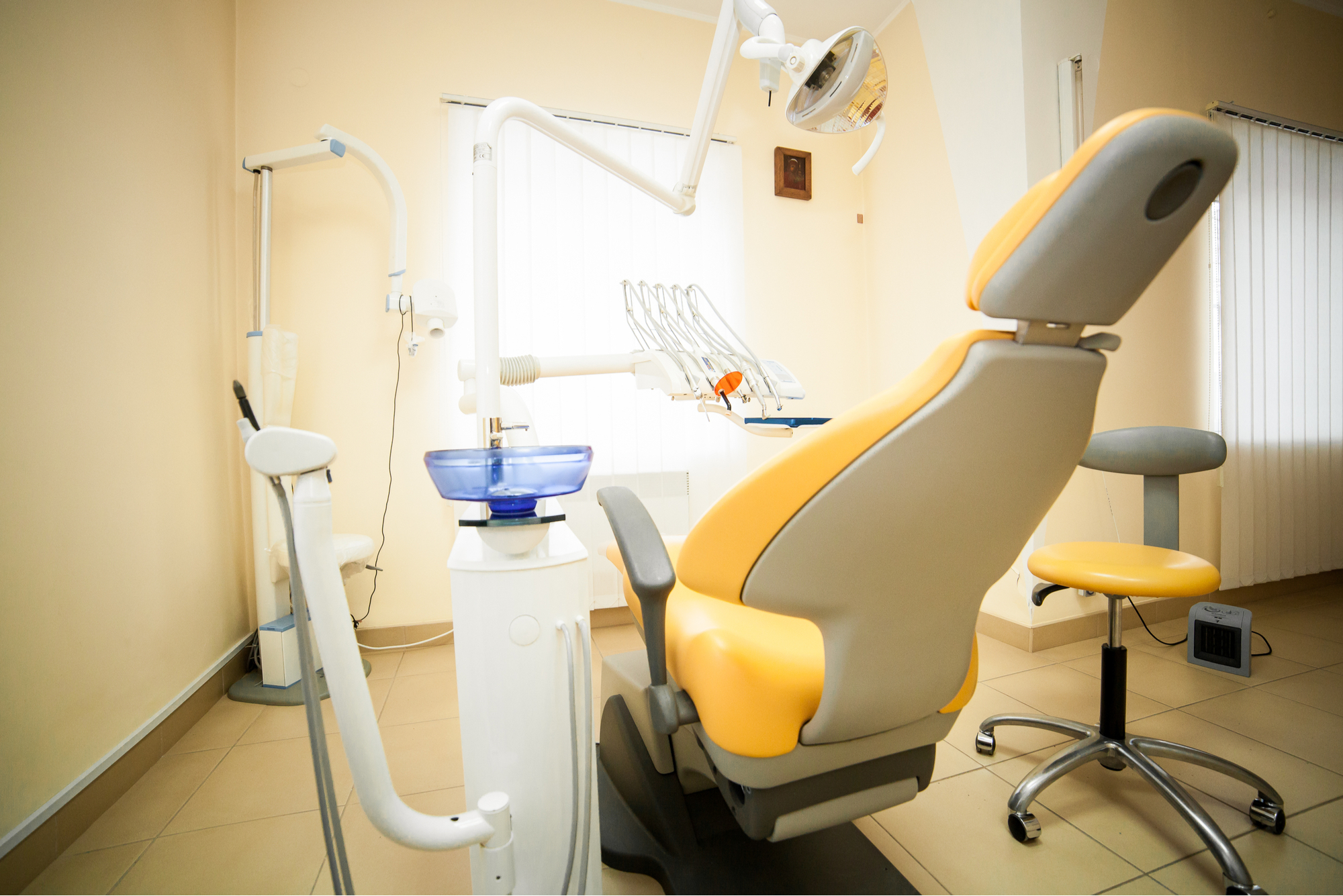
People with developmental disabilities are often less able to care for their teeth, and sometimes require special services not offered during routine care.
By John Hylton Recently the Petrie-Flom Center’s annual conference brought together medical experts, bioethics scholars, and disability advocates to rethink how medical systems and public health policies can engage with disability. During the many fascinating panels at “Beyond Disadvantage: Disability, Law, and Bioethics” one idea that sparked some debate was whether we should use quality/disability…

By Emily Largent In recent years, alleged instances of discrimination against people with disabilities in organ transplantation have captured public attention. In 2012, for example, the parents of Amelia Rivera, a child with Wolf-Hirschhorn syndrome, alleged that they were told their daughter was not a candidate for a kidney transplant because of her “mental retardation.” The Children’s Hospital of Philadelphia denied “disqualify[ing] transplant patients on the basis of intellectual ability.” Nevertheless, more…
At last week’s Petrie-Flom Center Annual Conference, “Beyond Disadvantage: Disability, Law, and Bioethics,” discussed a number of topics related to the “mere difference” vs. “bad difference” disability theory debate. Over the course of the day, six panels of experts shared their research and views on topics ranging from health care as eugenics to epistemic injustice to…

By Paulchris Okpala Do the provisions of the 2008 Americans with Disabilities Act Amendments Act (ADAAA) address challenges faced by medical professionals with disabilities (MPD)? A 2012 report on Americans with disabilities from the US Census Bureau suggests that it is highly unlikely. There is every reason to be alarmed by the increasing number of medical…
By Rebecca Dresser Anyone fortunate enough to live beyond middle age faces a risk of developing dementia. Dementia is a widely feared disability. People often say they wouldn’t want to live if they developed the condition. Experts in law and ethics praise advance directives, or instructions to follow on behalf of patients, as a…
By Daniel Goldberg Public health law can integrate medical and social understandings of disability in ways that promise to reduce disability stigma and enhance epistemic justice. However, models of disability currently embedded in public health law do precisely the opposite, at least partly due to the fact that public health laws have historically assimilated medicalized…

2018 Petrie-Flom Center Annual Conference: Beyond Disadvantage: Disability, Law, and Bioethics June 1, 2018 8:00 AM – 5:00 PM Wasserstein Hall, Milstein East ABC (2036) Harvard Law School, 1585 Massachusetts Ave., Cambridge, MA “Congress acknowledged that society’s accumulated myths and fears about disability and disease are as handicapping as are the physical limitations that flow…
By Leslie Francis Another anniversary of President Bush’s signing of the Americans with Disabilities Act (ADA) is coming up in late July, yet the nation remains far from offering even a semblance of equitable societal opportunity to most individuals with disabilities. For them, full social participation is dismissed as merely an idealistic dream. With its…
2018 Petrie-Flom Center Annual Conference: Beyond Disadvantage: Disability, Law, and BioethicsMay 27, 2018 8:00 AM – 5:00 PMWasserstein Hall, Milstein East ABC (2036)Harvard Law School, 1585 Massachusetts Ave., Cambridge, MA “Congress acknowledged that society’s accumulated myths and fears about disability and disease are as handicapping as are the physical limitations that flow from actual impairment.”…