Disability-Inclusive Climate Justice Through Agroforestry
Agroecology provides an inclusive paradigm through which to advance climate justice.
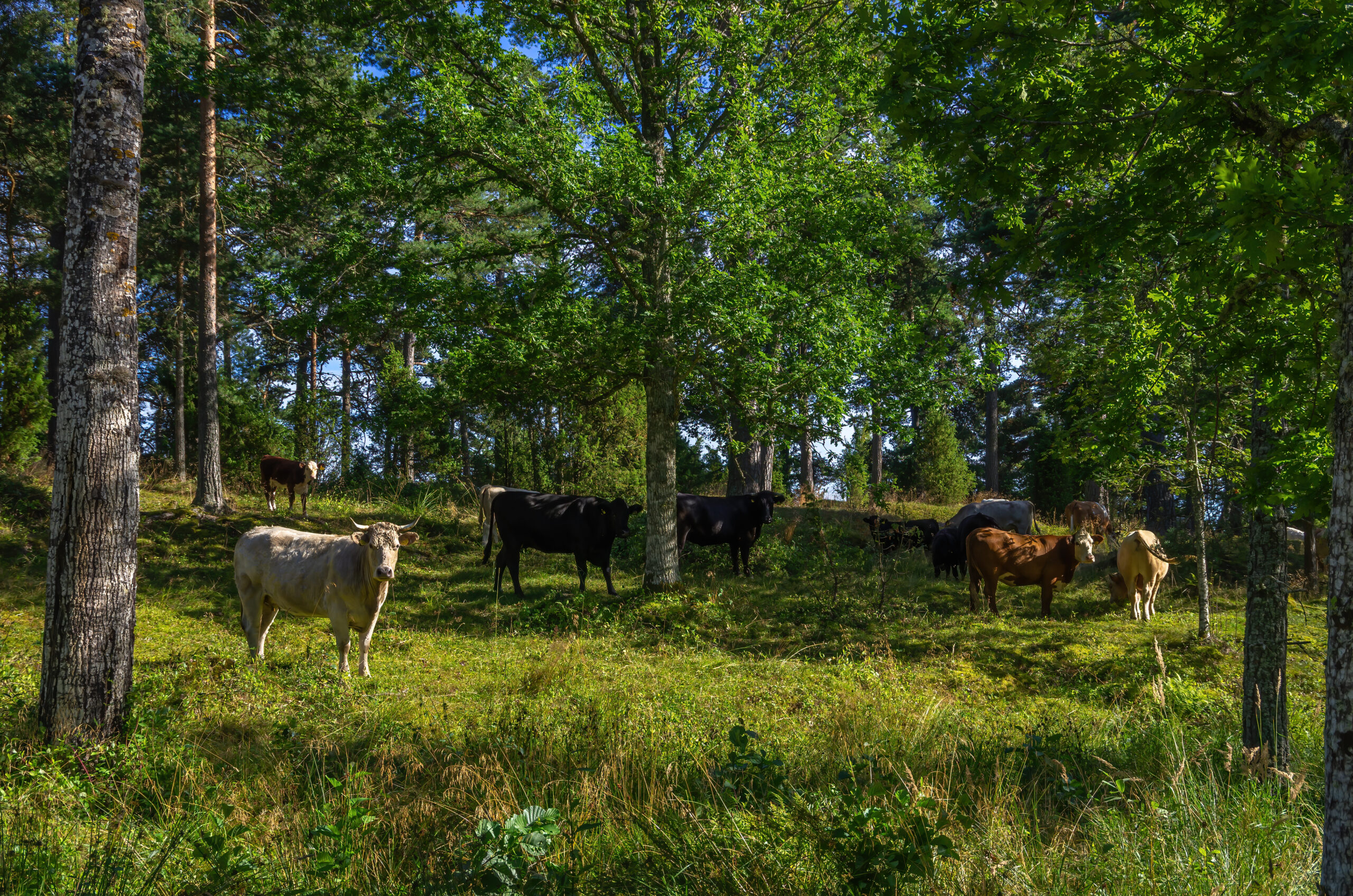
Agroecology provides an inclusive paradigm through which to advance climate justice.
While Bangladesh’s climate-related laws and policies gesture toward inclusion, considerable gaps remain between policy and practice.
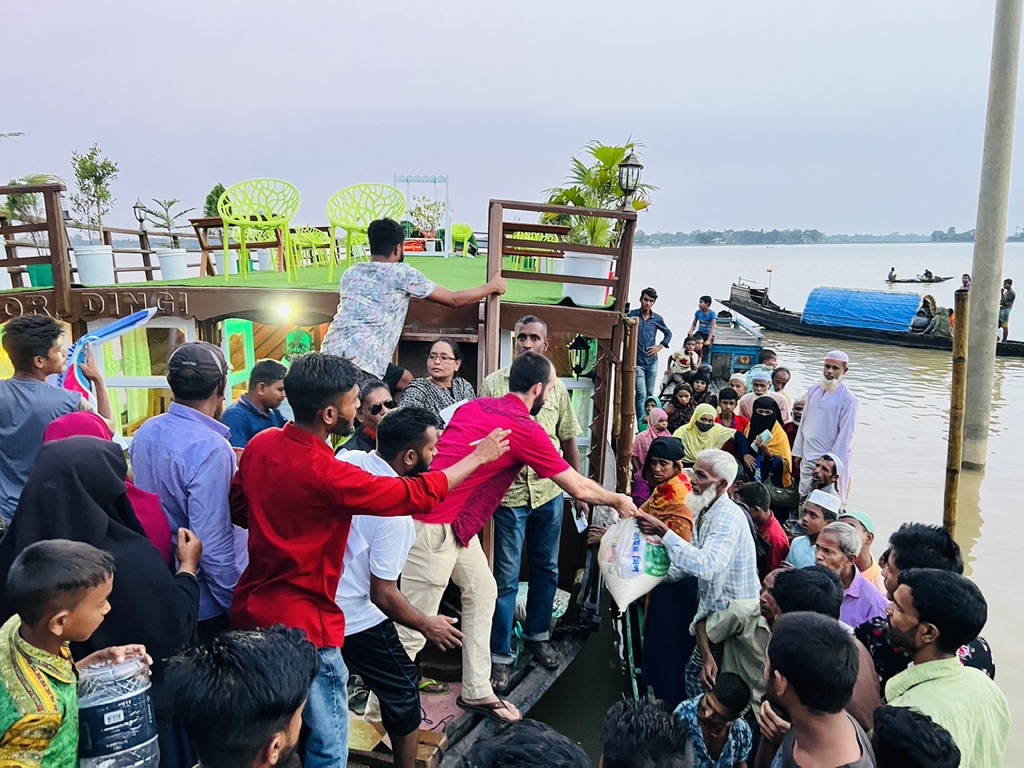
Educators have the power and responsibility to change practices now so that students benefit from climate change and disability awareness education.

International human rights law offers a framework for coordinated climate action where all members of society have a role to play.
The law surrounding reasonable modifications in health care is well-settled, but practical realities pose challenges to securing accommodations.

Incorporating disability issues into general resilience planning is not only a life-saving necessity, but also an opportunity for broader inclusion.

Growing interest in migration as a form of climate adaptation risks exacerbating existing inequalities and generating new ones for disabled people.
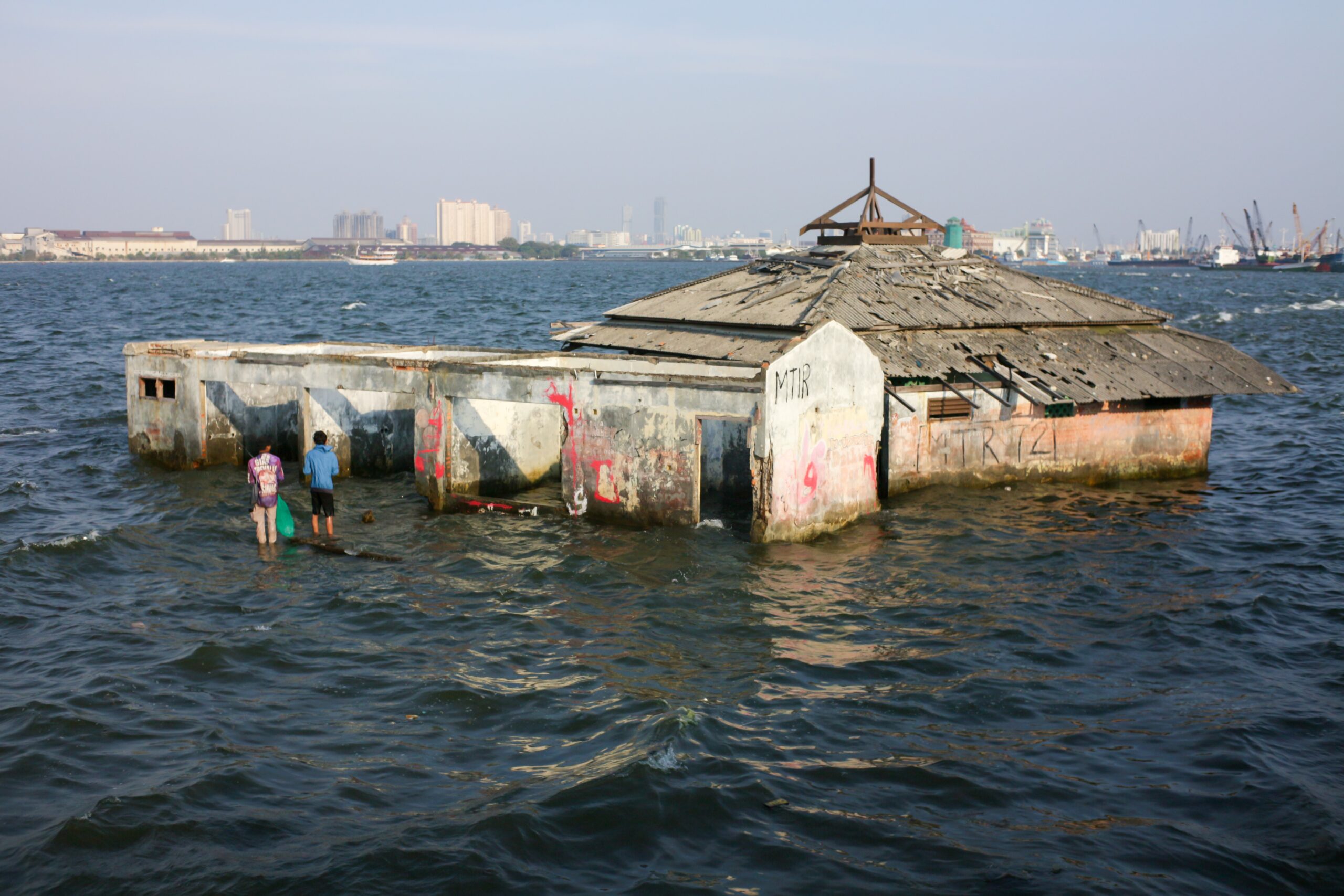
This piece highlights the failure to recognize the knowledges of disabled people as a form of epistemic injustice.

Preventing pandemic destruction is not just a question of “how to.” It is a question of organizing power from below.
The onus should not be on patients, many of whom are less privileged than me, to convince health care providers to take their pain seriously.