
The Luxturna Debate: Why Ethics Needs a Seat at the Drug Pricing Table
Jack Hogan can now ride his bike home at dusk after an afternoon of playing with his friends. Is that childhood rite-of-passage worth $850,000?

Jack Hogan can now ride his bike home at dusk after an afternoon of playing with his friends. Is that childhood rite-of-passage worth $850,000?
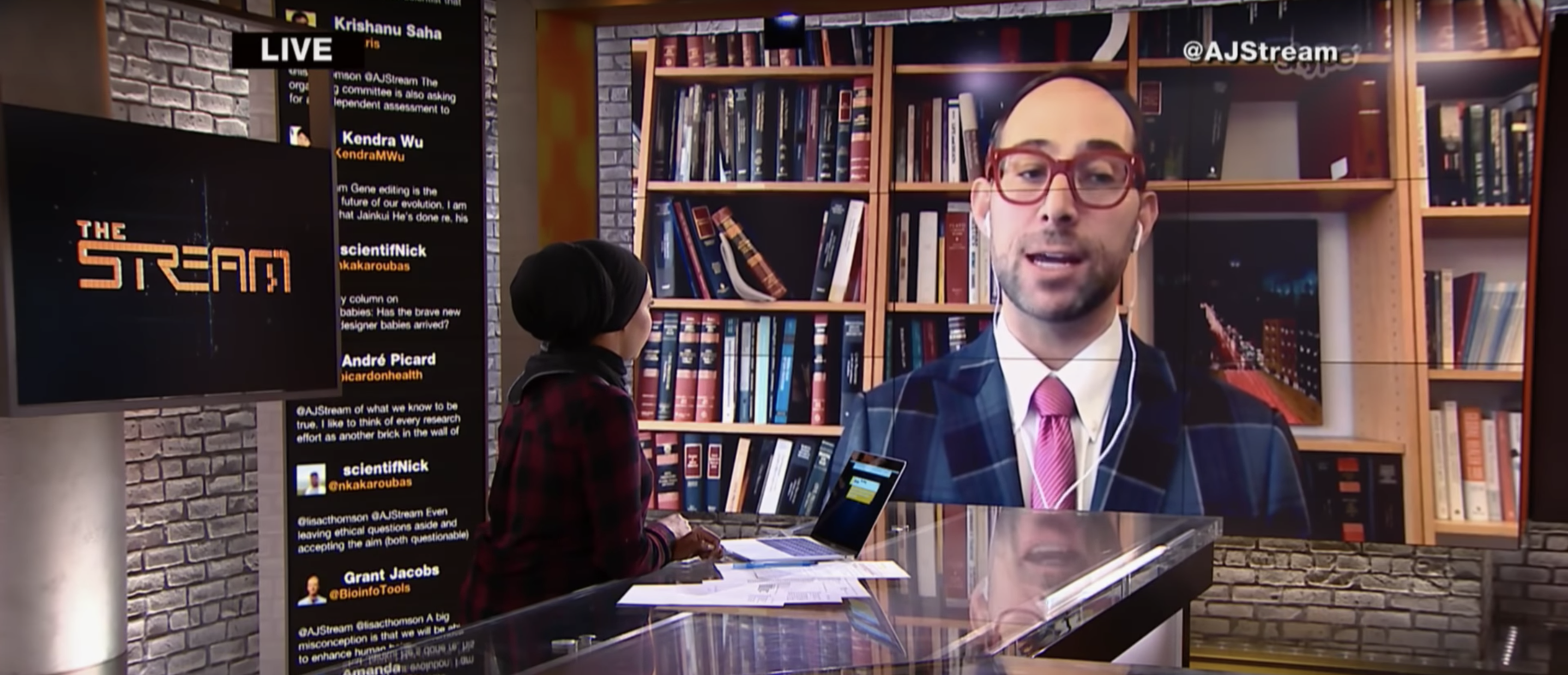
Petrie-Flom Faculty Director Glenn Cohen discusses genome editing on Al Jazeera’s The Stream.
By Paul McLean Watching David Baltimore open the #GeneEdit Summit last week brought back a memory of the last time I saw the Nobel laureate in such a role. The 2015 #GeneEditSummit concluded with a Q&A about the summit’s statement — which many considered was a moratorium on gene editing of embryos. An audience member,…
Gottlieb’s comments on the news that gene edited embryos in China had led to live births were wrong.
By Alex Pearlman Anya Prince, a legal scholar and thought leader in the field of genetic discrimination, will present a new paper at Monday’s Health Law Workshop that interrogates whether gene therapies will exacerbate inequalities in health care, as more treatments enter the market. “Gene Therapy’s Field of Dreams: If You Build It, Will We Pay?”…

By Dov Fox A recent web series sparked controversy with the headline that “Designer babies aren’t futuristic. They’re already here.” The online articles make the case that disparate access to frozen embryo screening for debilitating diseases—sickle cell anemia, Tay-Sachs, or cystic fibrosis—is “designing inequality into our genes.” The authors are right that reproductive technology isn’t…
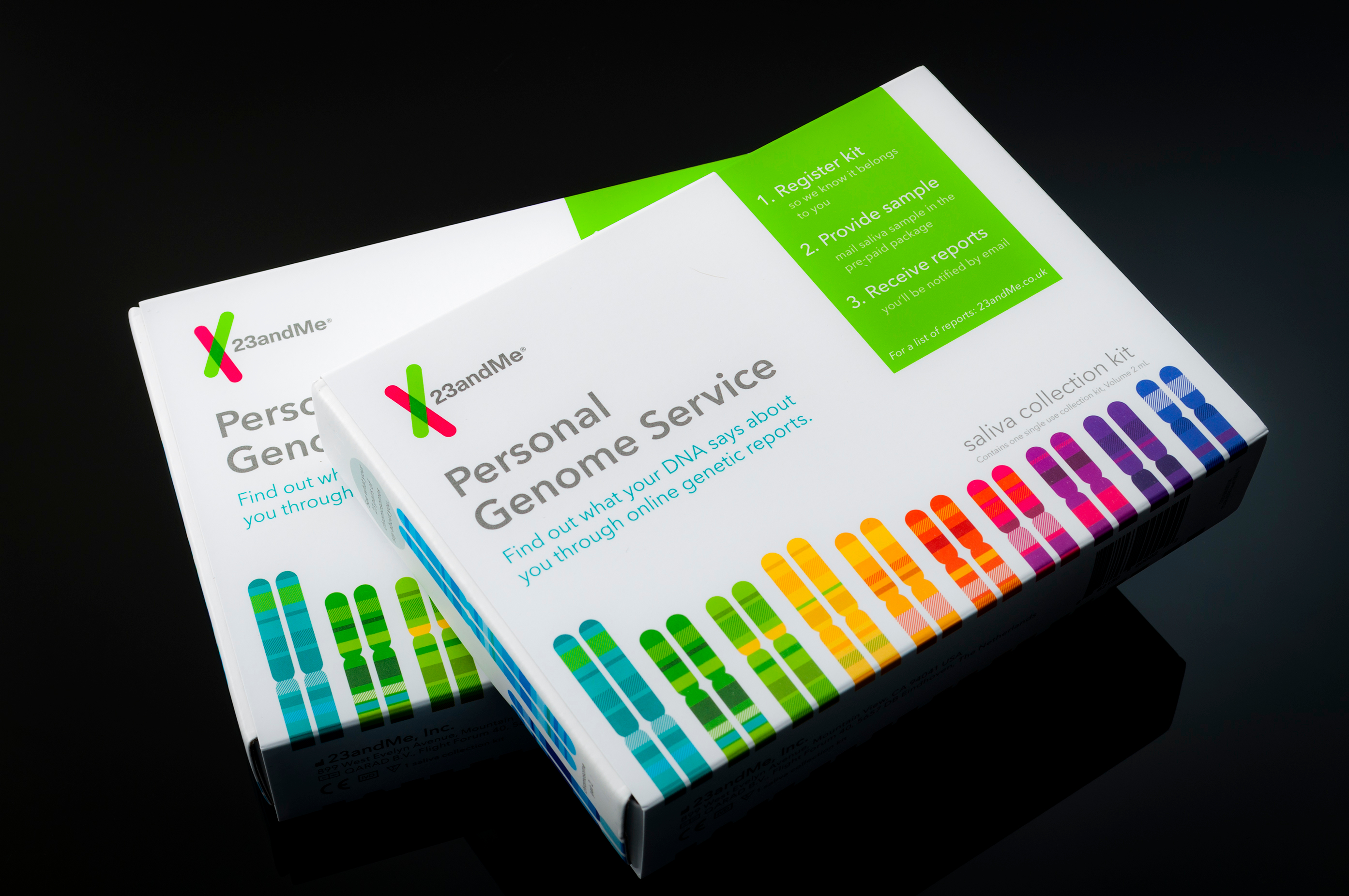
By Ellen W. Clayton You recently responded to a TV advertisement by a direct to consumer (DTC) genetic testing company because you wanted to find more of your relatives. The company also offered to send you your genomic data. Although not what you originally had in mind, you decided to send the data to another…
By Timo Minssen, Esther van Zimmeren & Jakob Wested An earlier version of this contribution had been published in Life Science Intellectual Property Review (LSIPR). A voluntary pool or clearinghouse model may give rise to a robust commercial ecosystem for CRISPR and could include special provisions for royalty-free research use by academics. Hence, there may be a path through…
By Jakob Wested, Timo Minssen & Esther van Zimmeren Another version of this contribution has been published in Life Science Intellectual Property Review (LSIPR). The Broad Institute is facing a formidable task in defending the revoked CRISPR patent claims in their pending appeal at the European Patent Office (EPO). Ultimately, some of the issues might still be referred…
By Mason Marks and Tiffany Li An earlier version of this article was published in STAT. The National Institutes of Health wants your DNA, and the DNA of one million other Americans, for an ambitious project called All of Us. Its goal — to “uncover paths toward delivering precision medicine” — is a good one.…