Recharting the Course of Sickle Cell Disease – Who will Benefit?
Ethical principles of health equity and justice must be examined as these new therapies are developed and progress to first-in-human clinical trials.
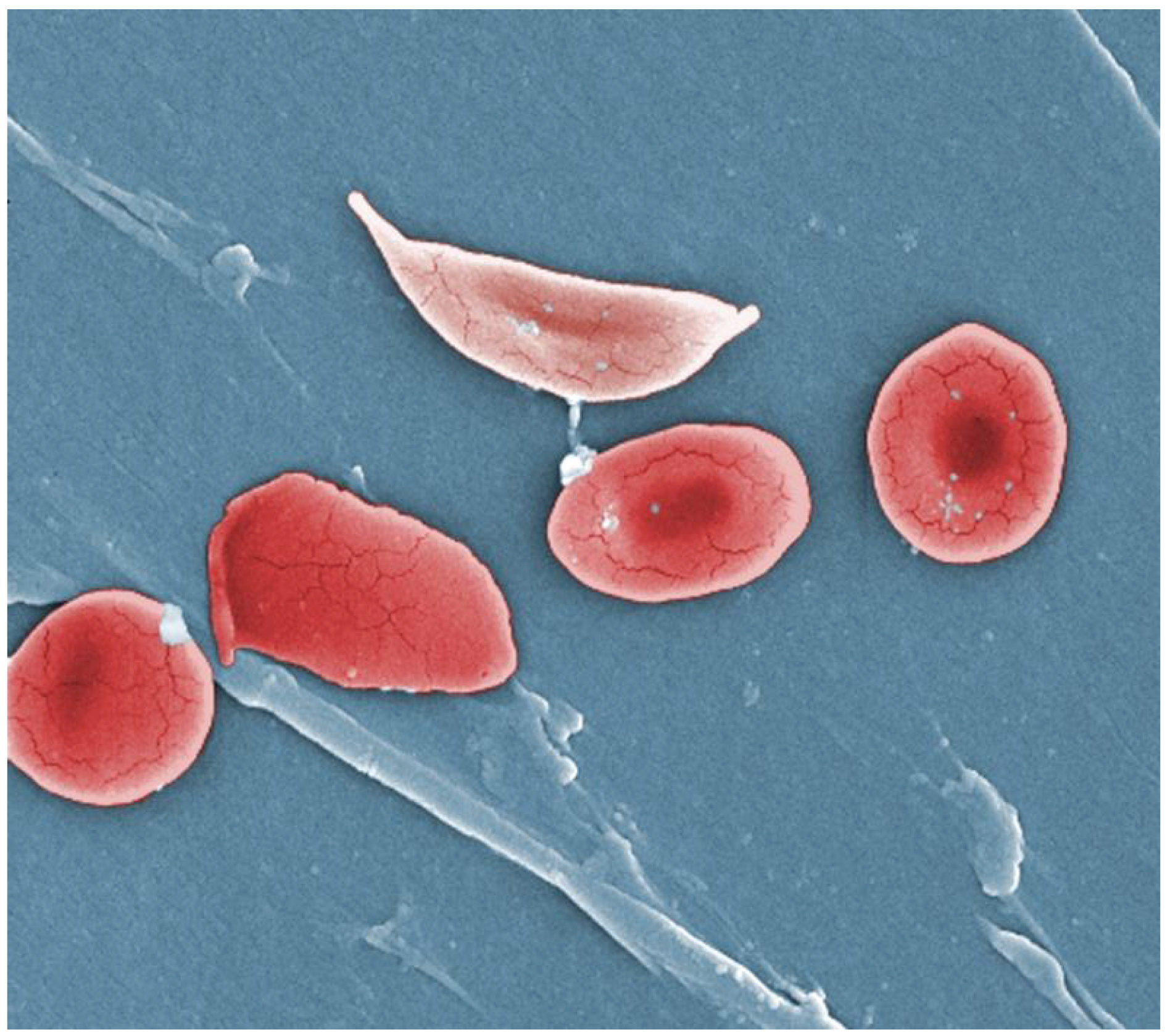
Ethical principles of health equity and justice must be examined as these new therapies are developed and progress to first-in-human clinical trials.
In an editorial this weekend, the New York Times supported efforts by the Petrie-Flom Center and suggested it was time for Congress to consider lifting the effective ban on mitochondrial replacement therapies.
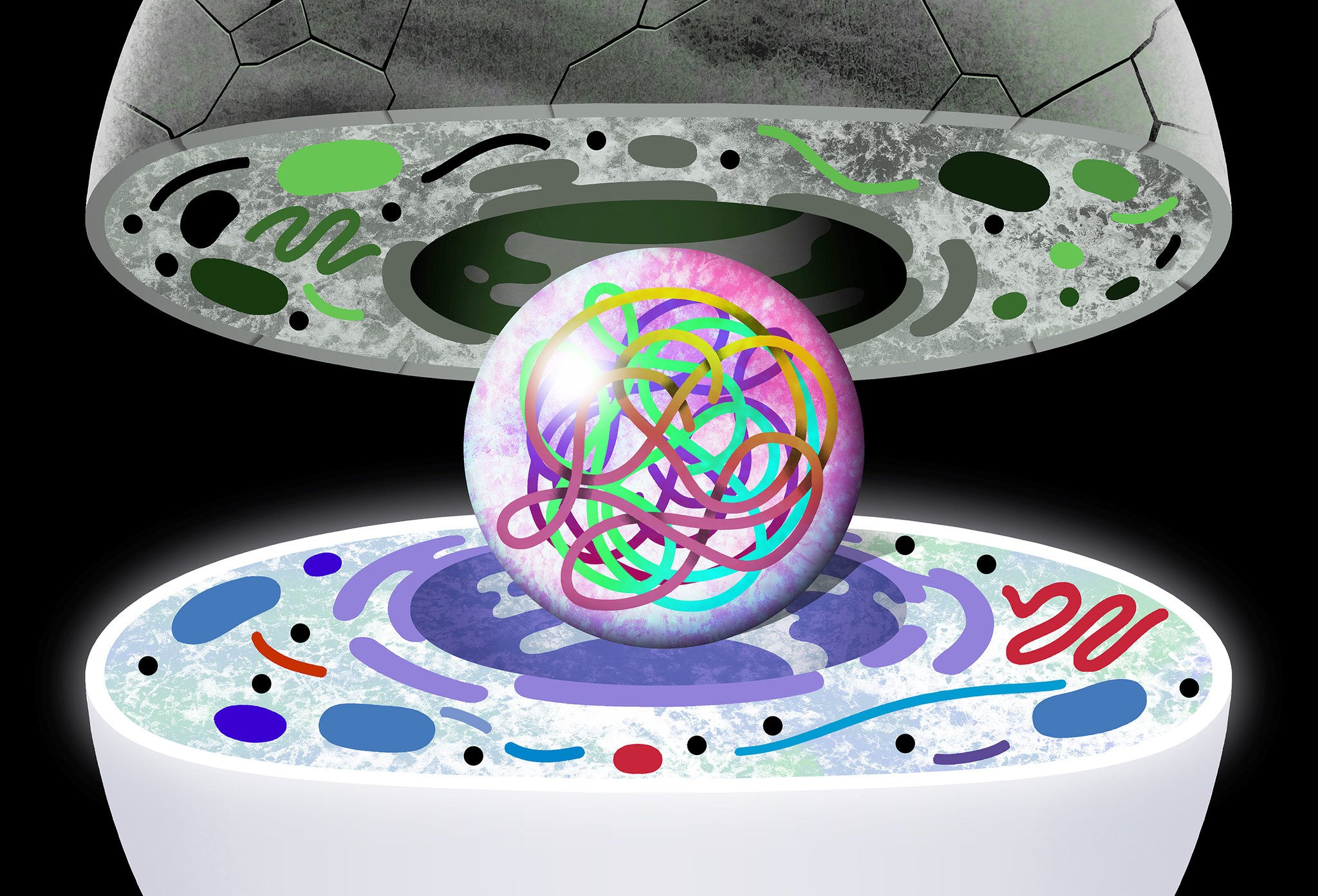
It is possible that particular gene drives will kill us all. But academia’s emphasis on the risks of human, rather than environmental, genetic engineering mean their heads are in the right place.

In the next 200 years, at least 20 billion people will die — and the issue of how best to manage their posthumous medical records is unclear.

The redistributive intuition of interpreting the Nagoya Protocol to apply to sequence information is appealing. But it makes no sense. And more importantly, it will put lives at risk in times of disease.

Multiple changes are looming in both the doctor’s and the patient’s roles. Here we highlight two of them.

Despite being curable, and eliminated from most developed countries, malaria is the fifth deadliest infectious disease in the world. Gene drives could change that. Let’s give it a try.

Join us March 8 for a talk that will cover the science of genome editing, including CRISPR, and in particular, the scientific advances made in the field since its principal discovery as an engineering tool in 2012.

Though the opportunities for crime-solving by utilizing DNA database searches may be vast, new technologies and innovative uses of them do not occur in a vacuum. Instead, novel uses of technology demand consideration of a vast number of ethical issues, and mandate careful interrogation of the potential impact of DNA databases on crime control.

Now is the time to reconsider what ethical and regulatory safeguards should be implemented and discuss the many questions raised by advancements in consumer genetics.