
Climate Change and Neglected Tropical Diseases: Key Takeaways from the WHO-WIPO-WTO Trilateral Symposium
Neglected tropical diseases were at the forefront of a recent convening on human health and climate change.

Neglected tropical diseases were at the forefront of a recent convening on human health and climate change.
Researchers believe that gene drives could eliminate vector-borne diseases, kill off invasive species, and combat pesticide resistance.
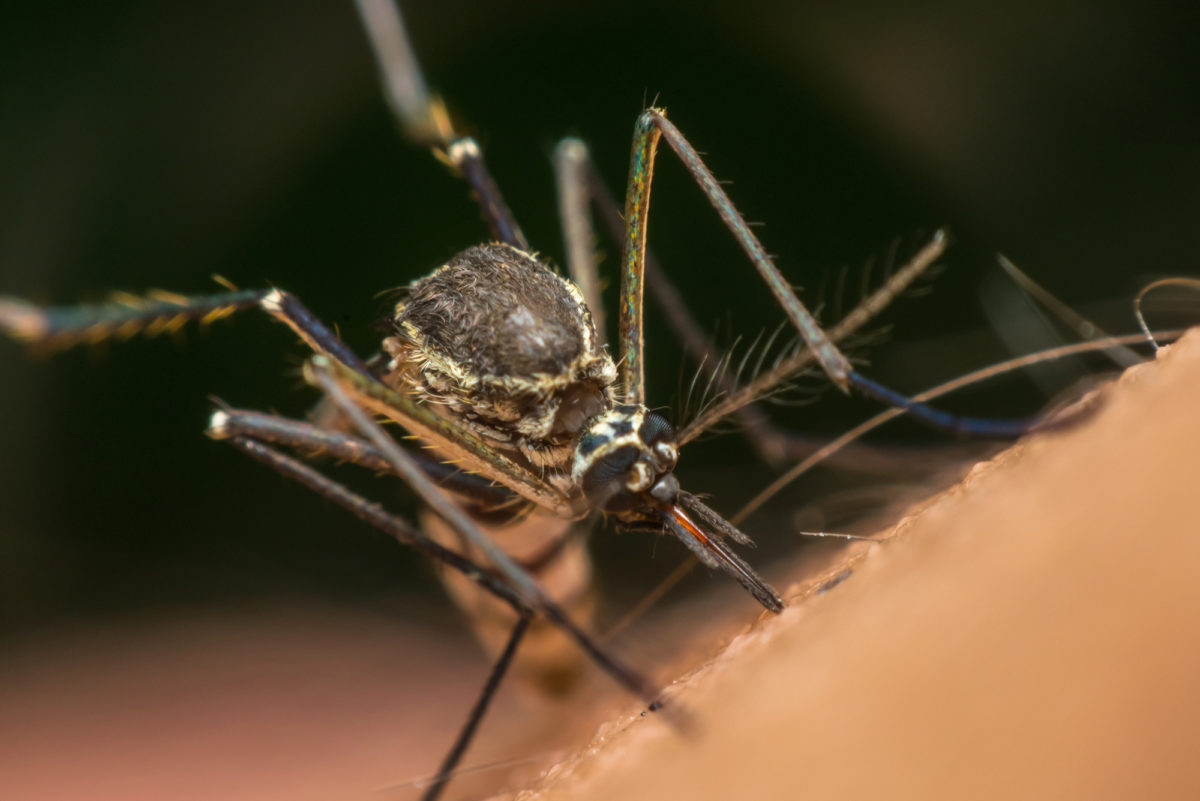
By Beatrice Brown A recent BMJ article has exposed ethical concerns with the informed consent process in the World Health Organization’s (WHO) large, randomized cluster trial of the world’s first licensed malaria vaccine, RTS,S, known as Mosquirix. The study is being conducted in Malawi, Ghana, and Kenya, and 720,000 children will receive the vaccine. The…

It is possible that particular gene drives will kill us all. But academia’s emphasis on the risks of human, rather than environmental, genetic engineering mean their heads are in the right place.
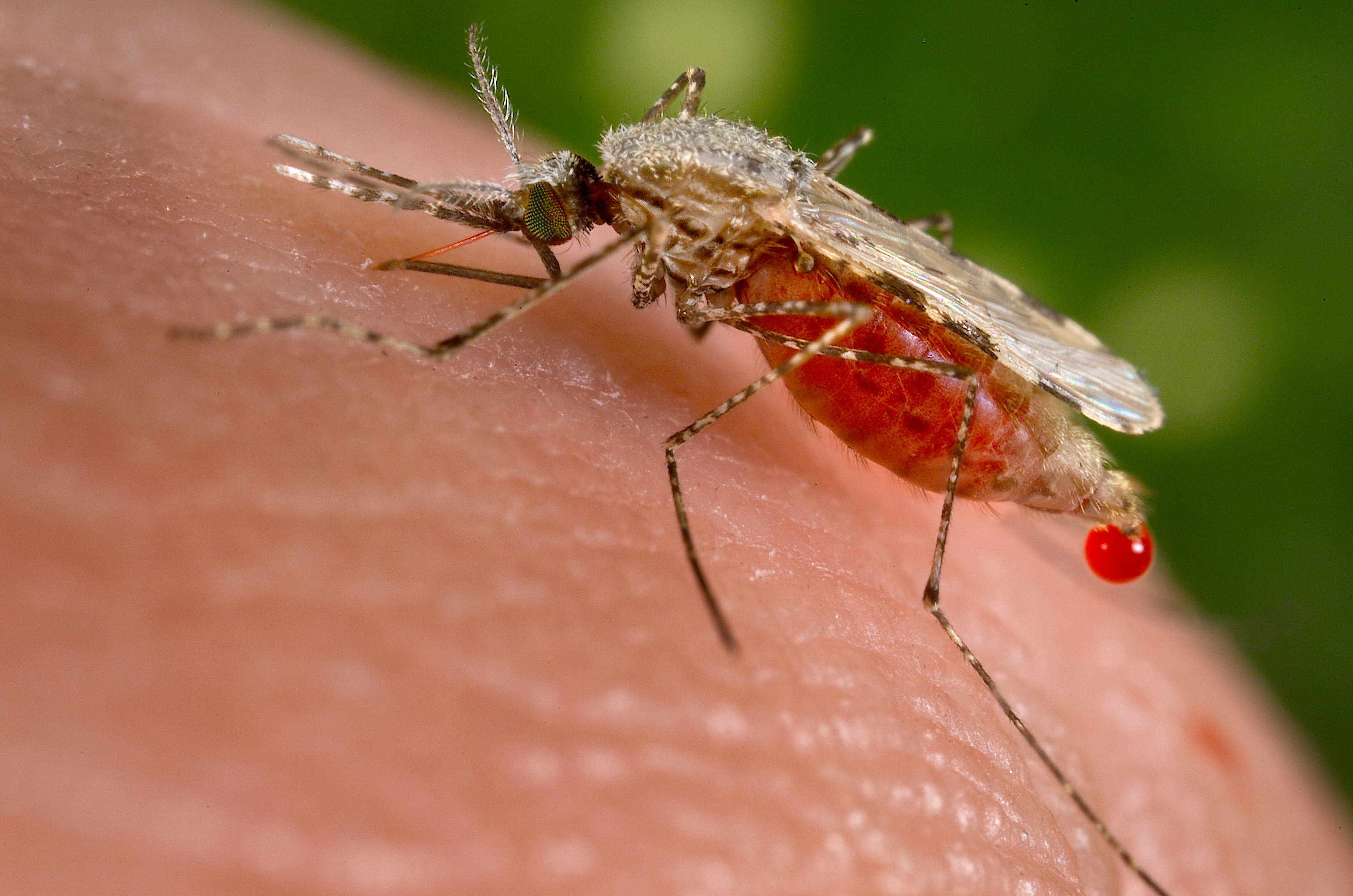
Despite being curable, and eliminated from most developed countries, malaria is the fifth deadliest infectious disease in the world. Gene drives could change that. Let’s give it a try.
By Timo Minssen Please find below my welcome speech at last-weeks mini-symposium on “Legal dimensions of Big Data in the Health and Life Sciences – From Intellectual Property Rights and Global Pandemics to Privacy and Ethics at the University of Copenhagen (UCPH). The event was organized by our Global Genes –Local Concerns project, with support from the UCPH Excellence Programme for Interdisciplinary Research.…
By Katherine Kwong Artemisinin, a drug used to treat malaria, has been a recent topic of public discussion after its discovery was recognized with the Nobel Prize in Physiology or Medicine on October 5. The 2015 prize was awarded to three researchers who developed treatments for parasite-caused diseases, with half the award going to Youyou…
By Lauren Taylor In recognition of how little we talk about global health, I am turning my attention back to my roots for today’s post. On Jan 22nd, Bill and Melinda Gates launched their annual letter. For those readers who live fully under a domestic health policy rock, Bill and Melinda Gates are co-chairs of…
By Nicole Hassoun Ebola is ravaging parts of Africa, yet it is not the worst health problem facing people in the region. Millions more are infected with and die every year from diseases like malaria, TB, and HIV/AIDS because they cannot access the essential medicines they need. To change this, we need to understand where…
Join us for a Skype call and Q&A with the founder/CEO of AMF! Monday, October 27 at 5pm, Sever 102. RSVP here.