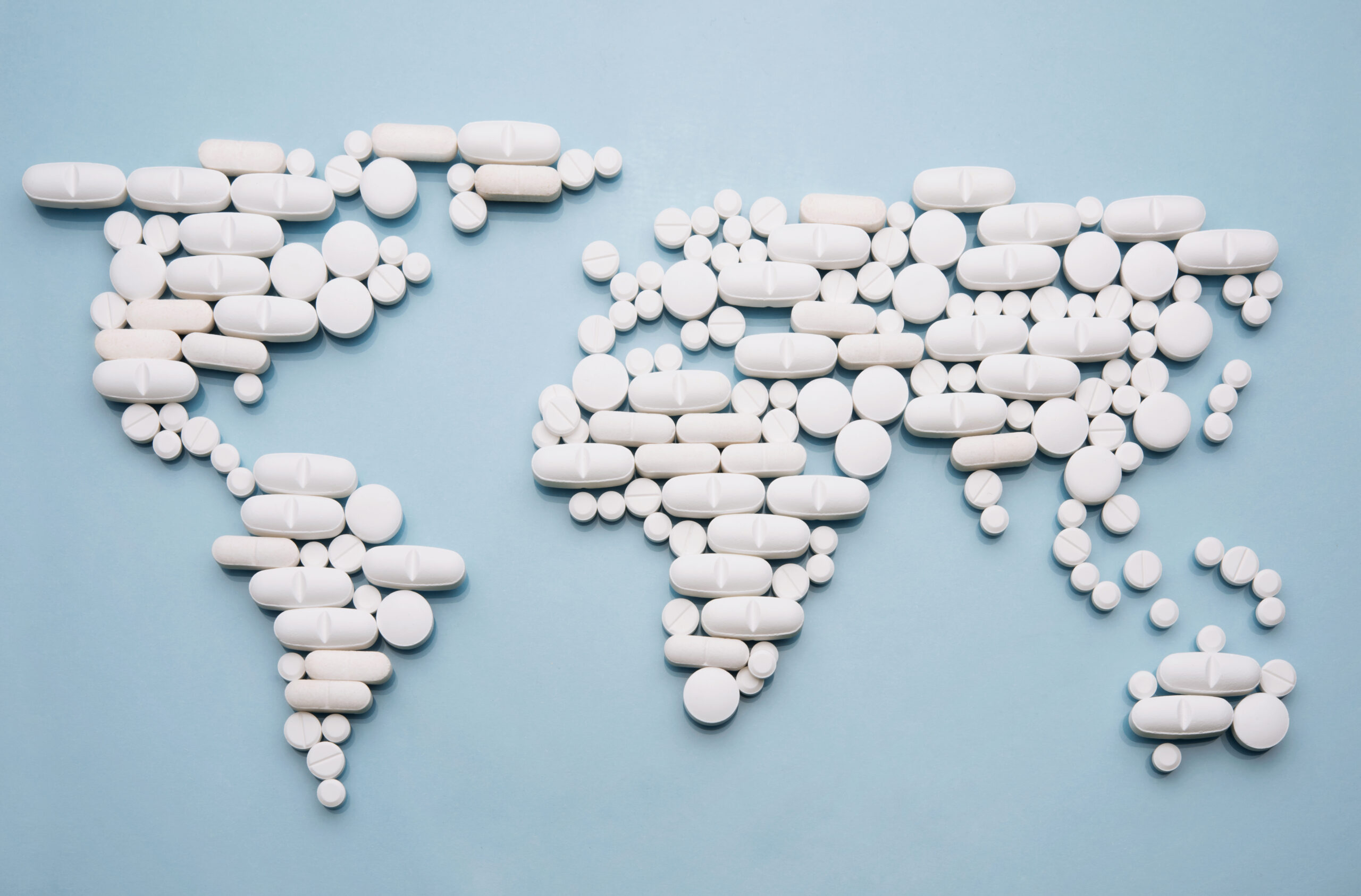
AI Can Invent Drugs Faster. It Still Has to Prove They Work.
Recently, Anthropic unveiled an artificial intelligence model with a tantalizing promise: tools that could help researchers design drugs 10 times faster than current methods.

Recently, Anthropic unveiled an artificial intelligence model with a tantalizing promise: tools that could help researchers design drugs 10 times faster than current methods.
The relationship between innovation and the Food and Drug Administration (FDA) has become a central topic of concern for a whole host of parties: academics, members of the National Academies of Sciences, Engineering, and Medicine, and several former FDA commissioners.

The European Union is in the middle of revising its medicines legislation. This reform, often referred to as the “pharma package,” centers on a proposed new Pharmaceutical Regulation and a proposed new Pharmaceutical Directive. Its stated aims are to improve access to medicines, encourage innovation, and strengthen the EU’s competitiveness and security of supply.
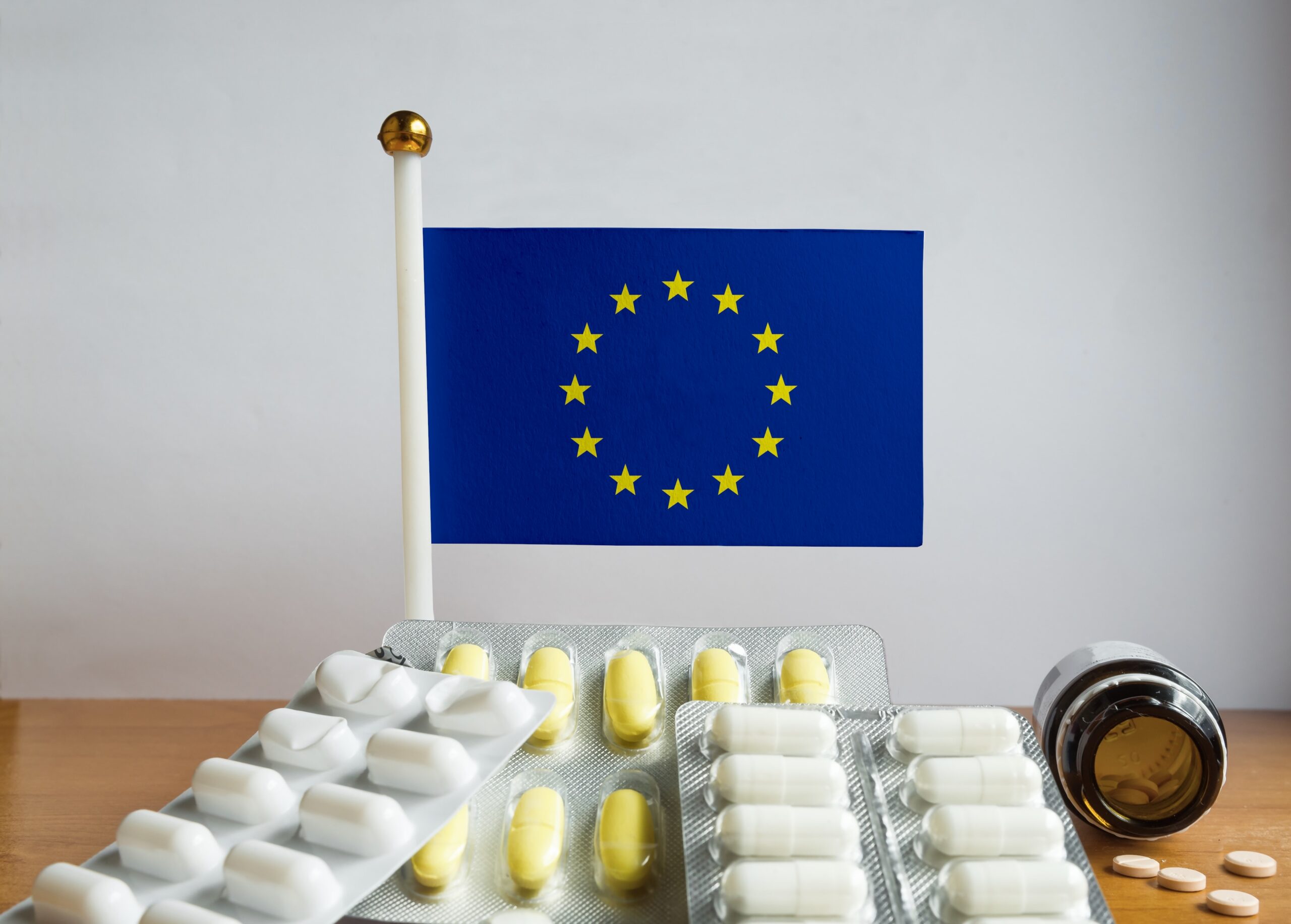
In June 2025 the U.S. Food and Drug Administration (FDA) launched the Commissioner’s National Priority Voucher Program (CNPV), billing the initiative as “accelerated drug review for companies supporting U.S. national interests.”
Following the passage of the Inflation Reduction Act’s (IRA) provision granting Medicare the authority to negotiate drug prices, pharmaceutical companies and allied organizations have brought a dozen lawsuits challenging the legality of the negotiation program.

Even though asthma takes an enormous toll on patients throughout the United States, many struggle to afford asthma medication.
Health policy experts, patient advocates, and the news media have understandably focused on the One Big Beautiful Bill’s threat to Medicaid. The budget reconciliation law, passed with slim GOP majorities and exclusive Democratic opposition in July, included numerous reforms to Medicaid eligibility that will likely reduce the number of Medicaid beneficiaries by more than 10 million and decrease federal Medicaid spending by more…
Drug companies typically seek a formal labeling change from the U.S. Food and Drug Administration (FDA), or a parallel regulatory body outside the U.S., to market a drug for a new use.

In the neon-lit world of TikTok, Ozempic has become the worst-kept “secret” in Hollywood and on social media. Celebrities gush about it, TikTokers brag about dramatic weight loss, and suddenly a diabetes drug is a pop culture phenomenon.
The U.S. government’s reliance on the most-favored-nation (MFN) pricing model — tying drug costs to the lowest price paid by other countries — is a politically appealing but structurally flawed solution.