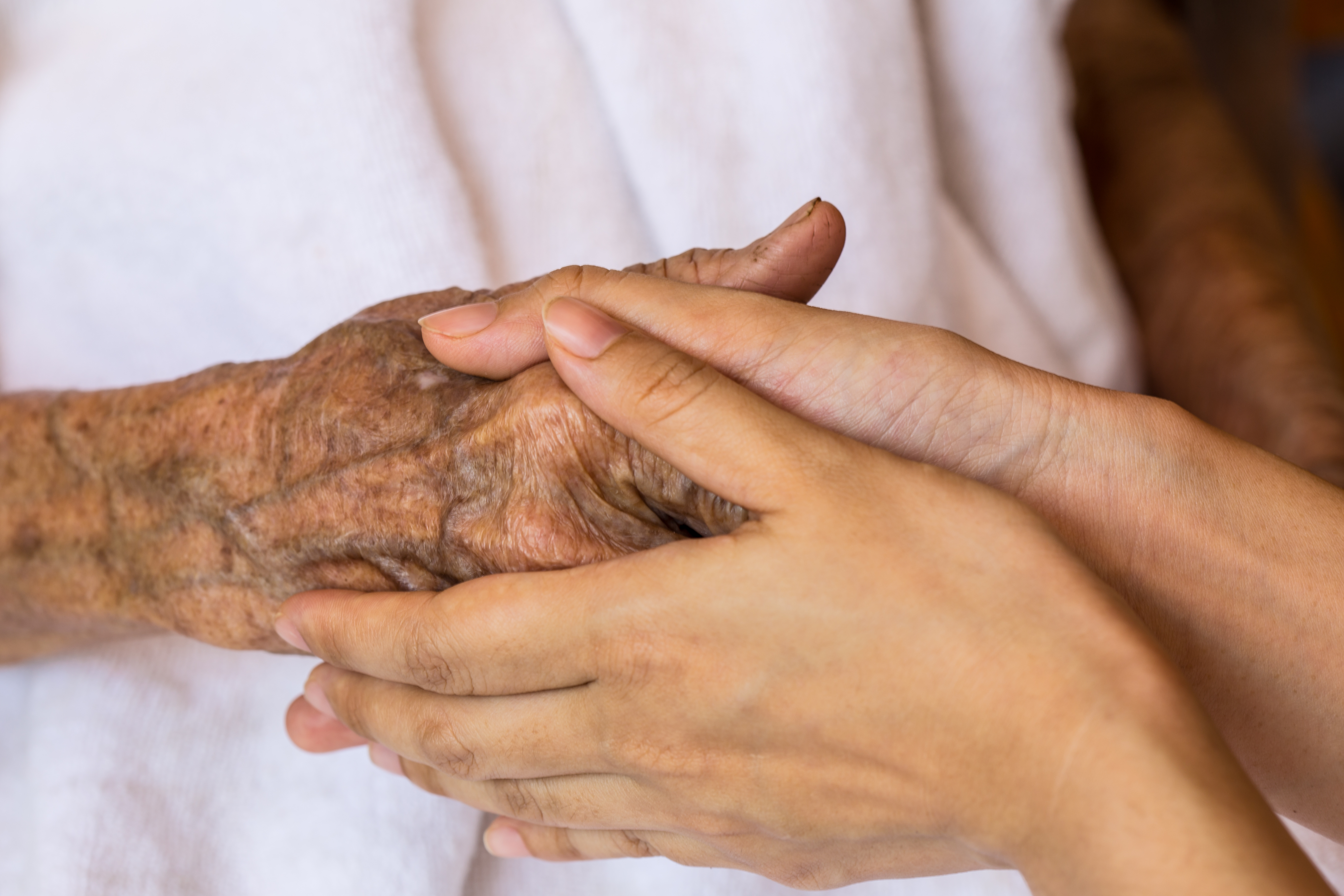
The Import of the UNCRPD and Disability Justice for Pandemic Preparedness and Response
This commentary outlines three of the more important considerations for international pandemic lawmaking with respect to people with disabilities.

This commentary outlines three of the more important considerations for international pandemic lawmaking with respect to people with disabilities.
The legal profession has not only the ability, but also the responsibility, to address longstanding systemic harms.
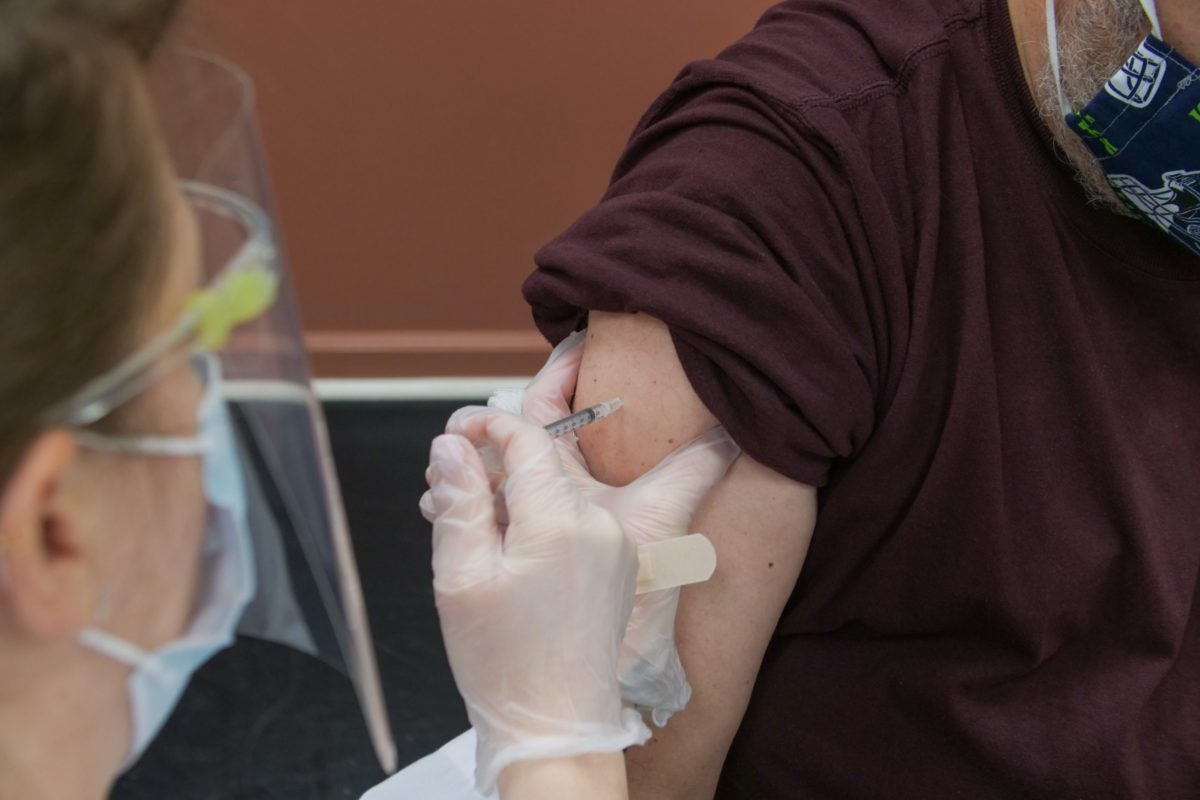
Distributing vaccines equitably at the level of geographical units such as districts or nation-states may obfuscate injustices.
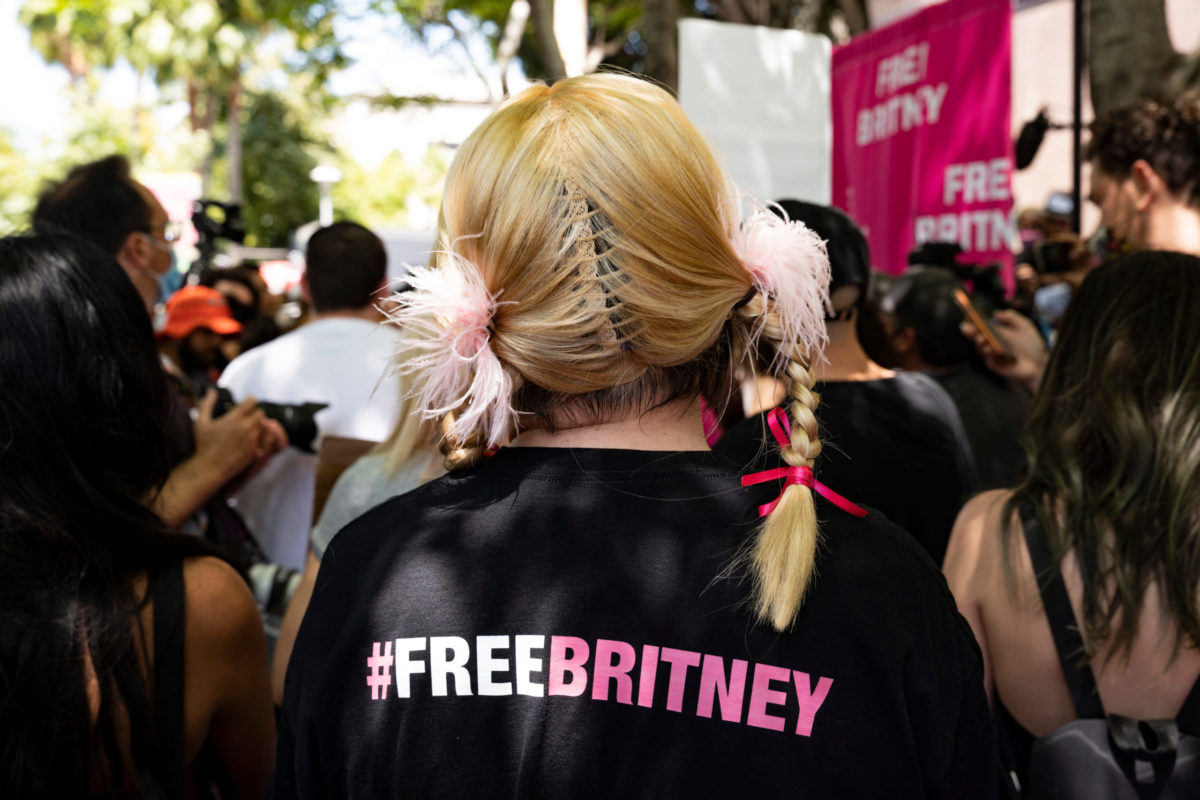
Reform is needed to address the restrictions on reproductive decision-making rights that adults under guardianship currently face.
I grew up in the South Bronx, insulated from the absence of health justice until the fourth grade, when I began attending private school.
Persons with disabilities face an ongoing struggle to reclaim power and control over their lives.
Rather than simply recognizing the existence of social determinants of health, we must do the hard work to create and re-create systems.
Well-being and ill-being can be measured in many ways, but health is a fundamental part of the picture and is inextricably intertwined with justice.
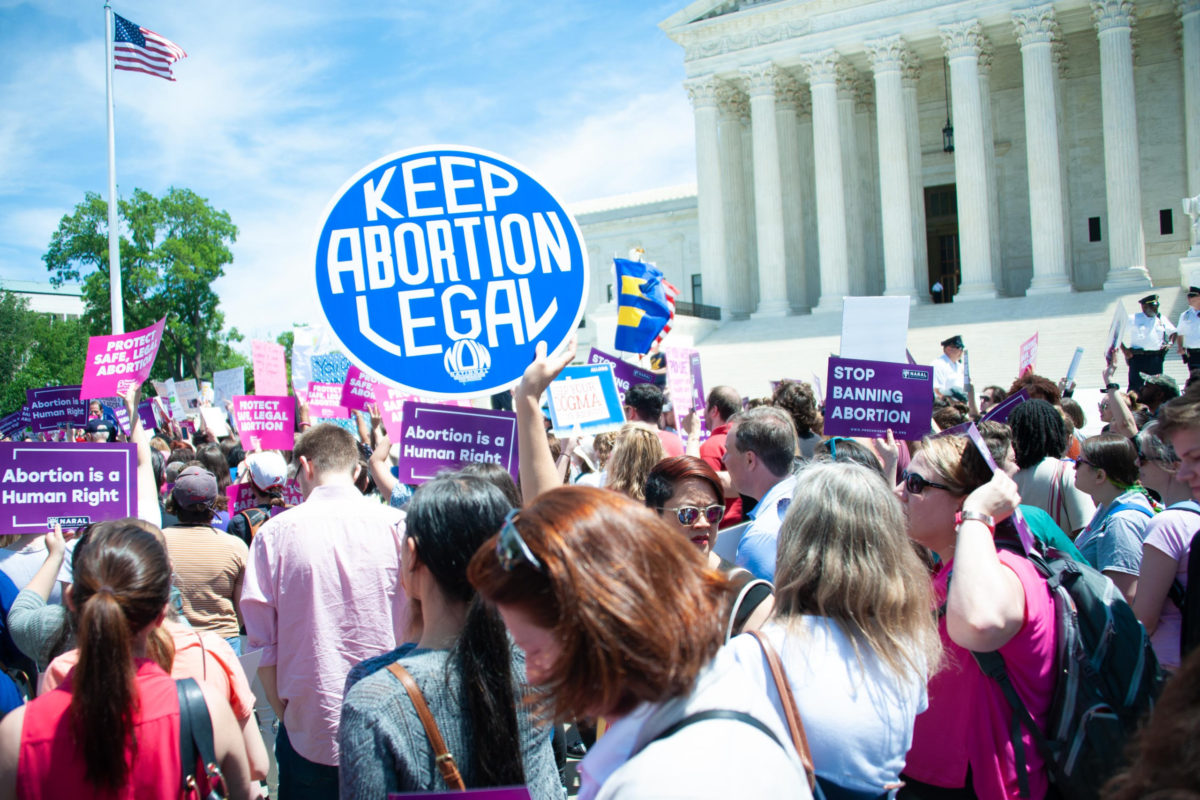
The abortion rights and pregnancy loss communities can also work together to normalize and destigmatize all pregnancy outcomes.
Both vulnerability theory and health justice conceive of the relationship between law and behavior as holistic and constructive.