Symposium Introduction: Ethical, Legal, and Social Implications of Deep Phenotyping
This digital symposium explores the ethical, legal, and social implications of advances in deep phenotyping in psychiatry research.

This digital symposium explores the ethical, legal, and social implications of advances in deep phenotyping in psychiatry research.
The study, which involved an online survey of and interviews with older adults, revealed a heterogeneity of ways of thinking about capacity.

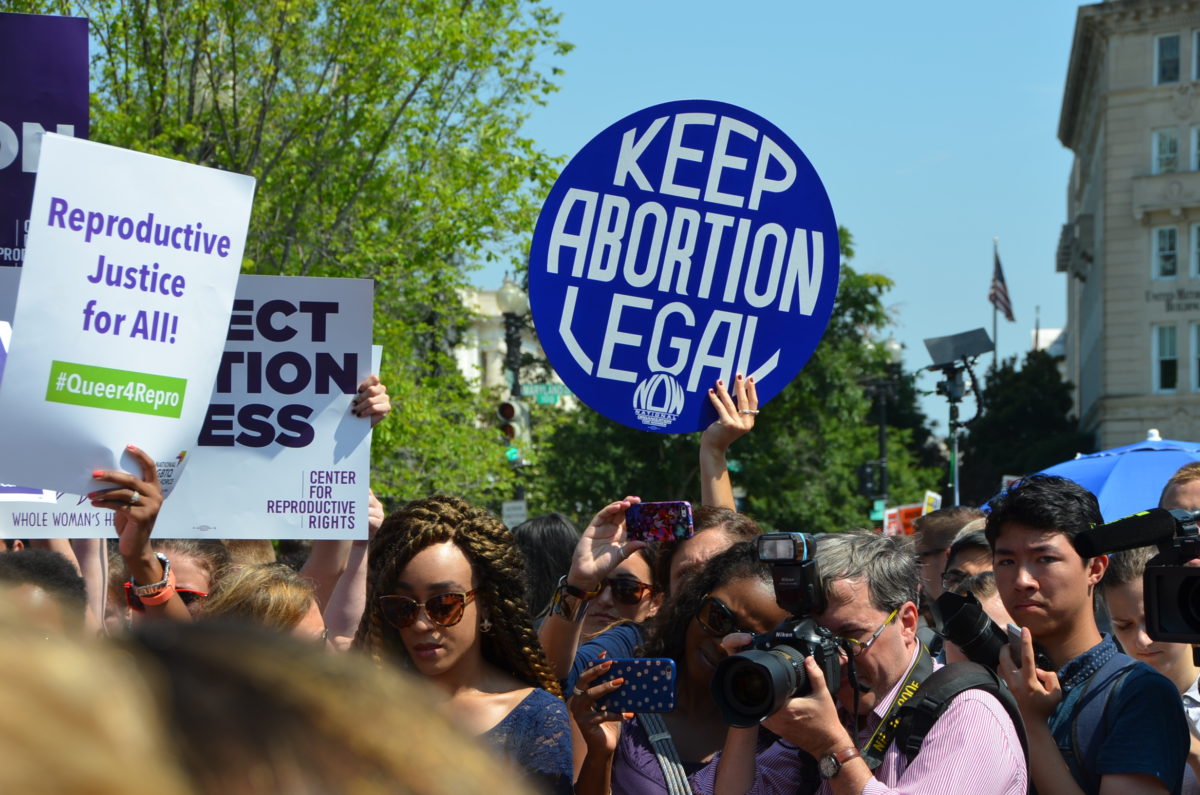
If you want to understand our politics of abortion, you must read Mary Ziegler’s recent book, “Abortion and the Law in America: Roe v. Wade to the Present.”
As a scholar of religion who cares deeply about this psychedelic renaissance, I offer two points of caution from the perspective of my field.

The Journal of Philosophy of Disability (JPD) is a new journal devoted to the philosophical study of disability.

Your life and the lives of many others may depend now on isolation, quarantine, cordon sanitaire, shelter in place, or physical distancing.

By Shelly Simana The topic of posthumous reproduction has produced great interest globally due to the fundamental dilemmas it raises. The most controversial cases are the ones in which there is no explicit consent on behalf of the deceased person for using his or her gametes after death. In those cases, courts try to trace…

Do you owe Alexa your politeness? Do you owe any moral consideration whatsoever to an AI?

In a few weeks, Google’s Advanced Technology External Advisory Council (ATEAC) was scheduled to come together for its first meeting to stress test a policy on facial recognition they had come up with internally.

The redistributive intuition of interpreting the Nagoya Protocol to apply to sequence information is appealing. But it makes no sense. And more importantly, it will put lives at risk in times of disease.