
Sex Robots are Here, But Can the Law Keep Up The With Ethics and Privacy Issues?
As a scholar of artificial intelligence, neuroscience and the law, I’m interested in the legal and policy questions that sex robots pose.
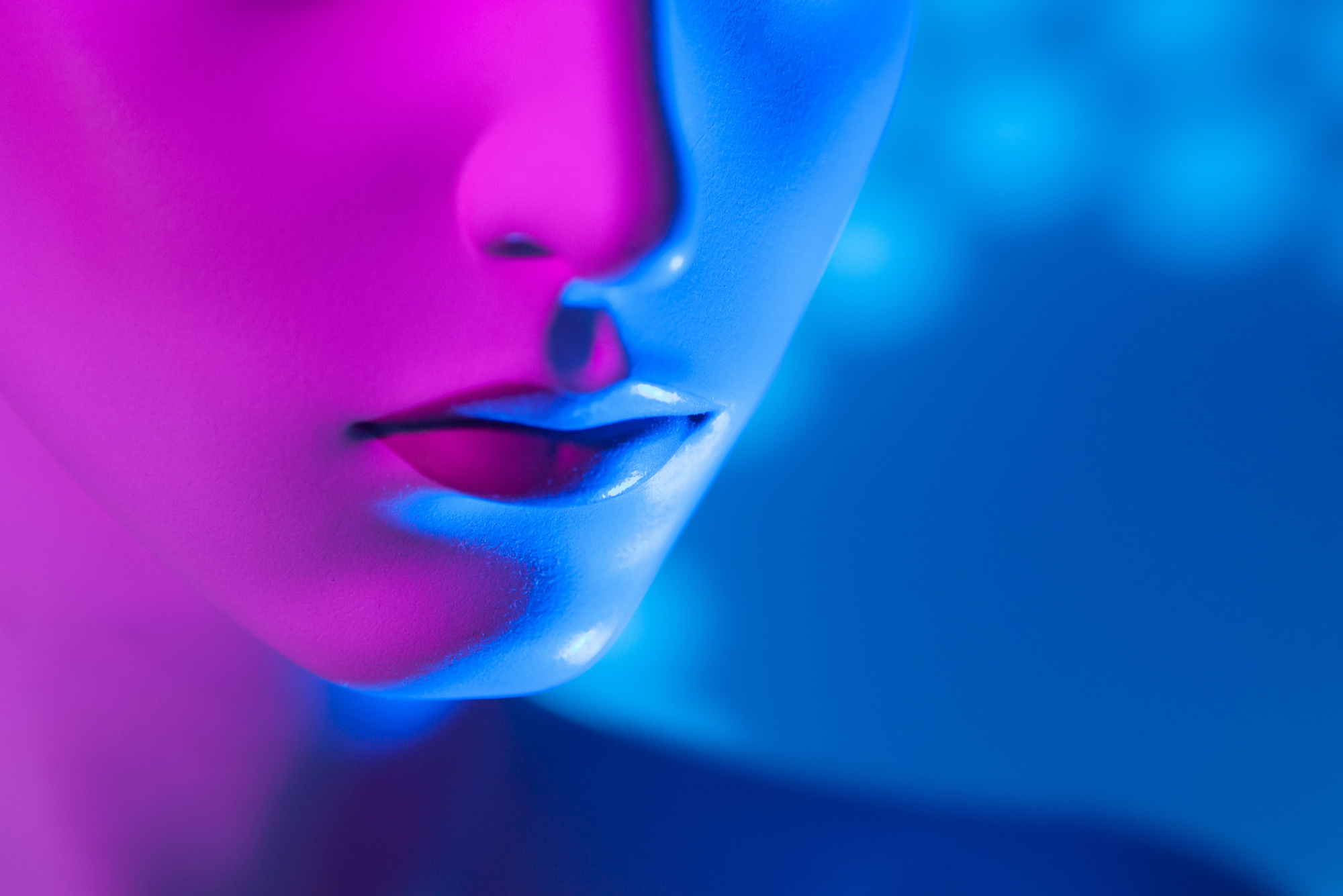
As a scholar of artificial intelligence, neuroscience and the law, I’m interested in the legal and policy questions that sex robots pose.
By Mark Satta In an earlier post I offered two arguments for why wealthy nations have a moral obligation to address medical professional brain drain from resource-scarce developing nations. But once one acknowledges that wealthy nations have this obligation, a question remains as to what the best way to fulfill that obligation is. Some have…

Alongside the growth of electronic health records, specialized add-on software capacities have also emerged, some of which even ask users “moral” questions. Yet, the importance of these systems is far greater than the problem of patient privacy.

October 1, 2018 5:00 PM Hauser Hall, Room 104 Harvard Law School, 1575 Massachusetts Ave., Cambridge, MA Presentation: “The Moral Status and Rights of Artificial Intelligence” To request a copy of the paper in preparation for the workshop, please contact Jennifer Minnich at jminnich at law.harvard.edu. S. Matthew Liao is Director of Center for Bioethics and Arthur Zitrin Professor of…
By Yusuf Lenfest I thought I would take this opportunity to reflect on the past year, where I will be in the future, and how the student fellowship has impacted me. I still hope to contribute to the Bill of Health blog going forward, but as my last official post as a Petrie-Flom Student Fellow,…
By Yusuf Lenfest There is a lot of fascinating research about the brain coming out of Stanford University, with some exciting, cutting-edge work being done there. Early last month I reported on the findings made by neuroscientists at Stanford in understanding how mental rehearsal prepares our minds for real-world action. Today, I’ll outline the recent…
By Yusuf Lenfest With few exceptions, most cultures put homo sapiens at the center or the apex of creation. Humans, it is generally believed, are distinguished from other animals by our self-awareness and our ability to use tools, to think, reason, and construct meaning and representations about life. The Abrahamic religious traditions are most notable…
By Yusuf Lenfest Medicine is meant to heal our ailments and treat our illnesses. Our deep knowledge of the body and the numerous mechanisms that contribute or correlate to good health is considered a triumph of the medical sciences. We can now perform transplants with relative ease, offer prosthetics to those who require them, and…
By Yusuf Lenfest When does human life begin? One of the more contentious bioethical and legal issues is about the beginning of human life. Nor is it difficult grasp why, for beyond political rhetoric it is a subject of considerable philosophical and legal debate and raises a number of questions which are profoundly difficult to…
By Yusuf Lenfest An important questions in Islam, recurrent across time and space, is whether Islamic political theory recognizes rights claims against the state as distinct from rights claims against other members of the community. This continues to be an important subject today, intersecting the fields of law, religion, and moral philosophy. The classical tradition…