Taking Data Sharing Seriously: Public Interest and Solidarity as Principles for an International Pandemic Treaty
Only a legally enforceable framework can ensure that solidarity is matched with reciprocity that is in the global public interest.

Only a legally enforceable framework can ensure that solidarity is matched with reciprocity that is in the global public interest.
Either through hard or soft law, there is a strong case to be made in favor of designing positive “rewarding” mechanisms to encourage cooperation.

Today, the average medical student graduates with more than $215,000 of debt from medical school alone.

How should scientists, policy makers, and governments balance efforts to address the current pandemic with initiatives to prevent the next one?

The use of fair, reasonable and non-discriminatory (“FRAND”) terms in the licensing of intellectual property rights could foster cooperation in pandemics.

A pandemic instrument should enhance roles for and communication between regional and global governmental bodies and especially non-governmental actors.

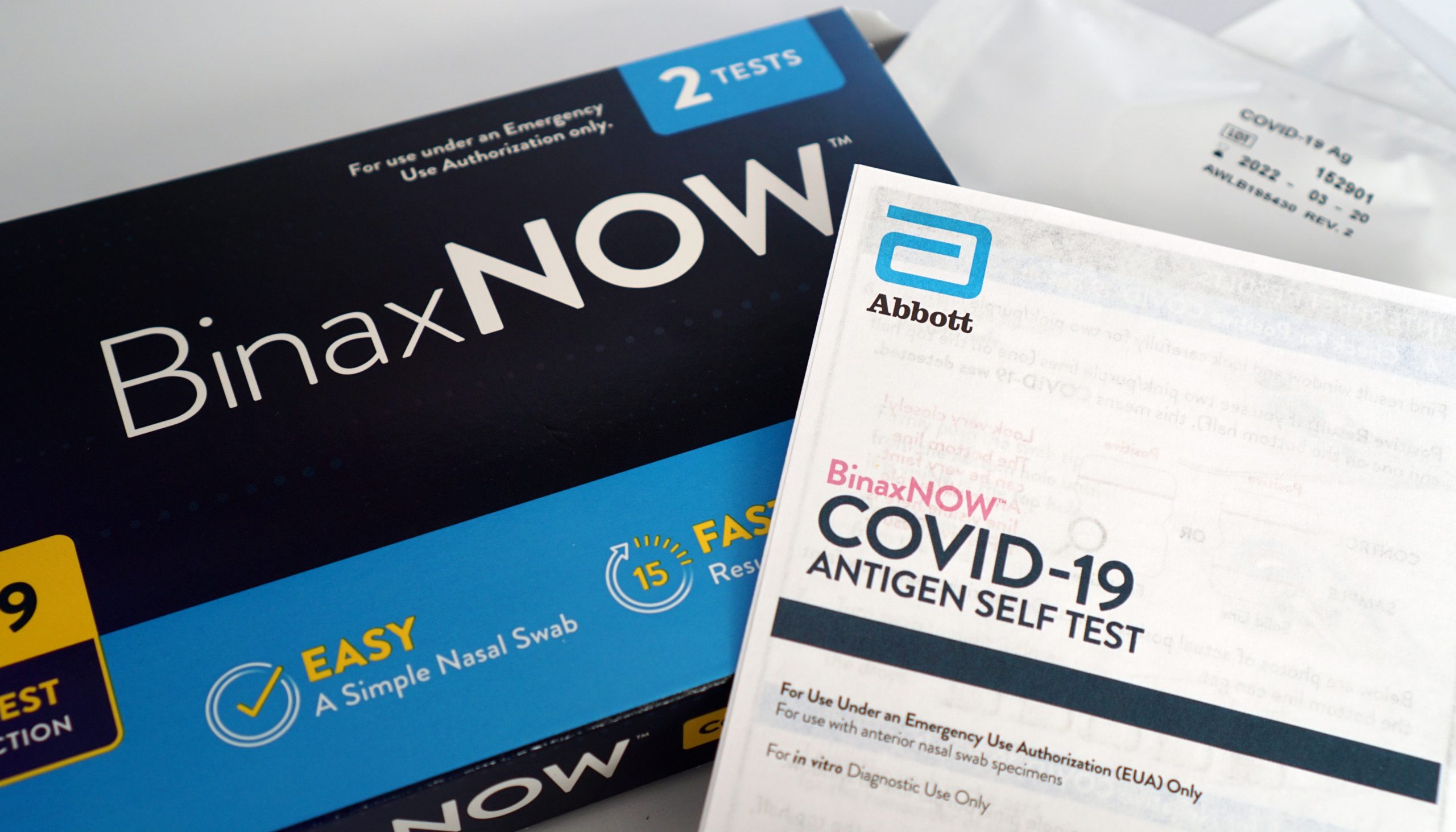
This policy doesn’t seem to encourage frequent and convenient testing now, which is particularly important as we face the current delta surge.
The discrepancy between past booster messaging and the current, broad recommendation has spawned public health communications problems.

The international community must avoid entrenching in international law a system indifferent to right-to-health core obligations.

A new interim final rule requires health insurance plans and issuers on the marketplace to report data on prescription drug and health care spending.