Common Problems in Psychedelic Science, and How to Fix Them
Psychedelic science appears to ignore many of the lessons learned from decades of research in other fields.
Psychedelic science appears to ignore many of the lessons learned from decades of research in other fields.
As a historian of psychoactive pharmaceuticals in the 20th century U.S., I see history rhyming in potentially dangerous ways in the current psychedelic boom.

Without committing to open science practices, we risk producing a psychedelics industry with the same efficacy and integrity as the self-help industry.

There are a number of unique issues that psychedelics present in a clinical setting that are yet to be adequately addressed.

As we move past a phase of “partial eclipse” by psychedelic hype, this critical field is finally well-situated to explore the full spectrum of psychedelic effects.
Scholars, analysts, and companies cannot agree on what Amgen v. Sanofi means for patients, drug makers, and innovation.

The calculus involved in revoking the shaken baby syndrome diagnosis needs careful evaluation.

In my forthcoming article, I argue that our cancer regulatory regimes inadequately protect the public.
Considering growing evidence that medical cannabis does not compromise post-transplant health outcomes, policymakers should rethink restrictions.

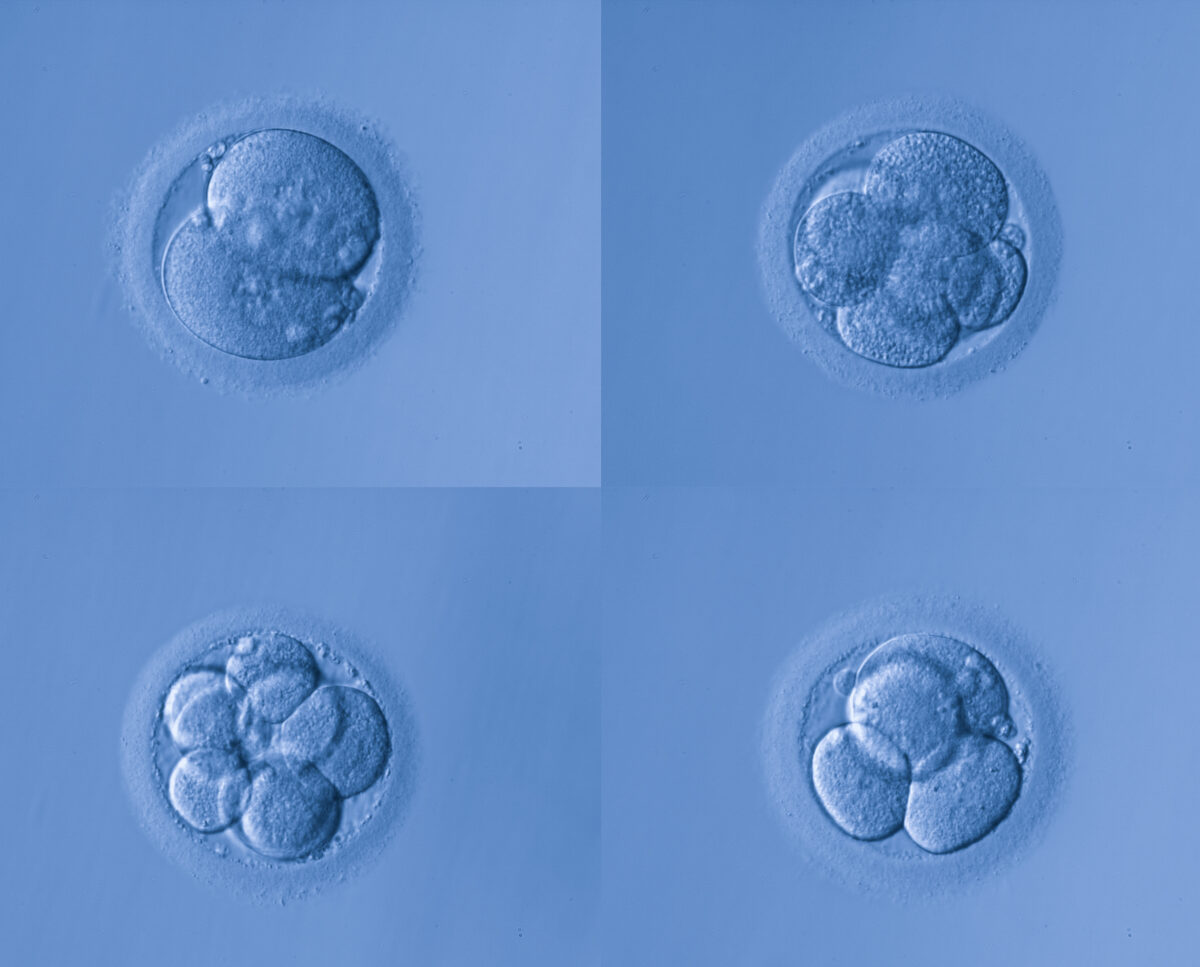
A synthetic embryo can now be constructed without an egg or sperm. This throws a moral monkey-wrench into current restrictions on embryonic research.