The Consequences of Public Health Law Vacuums
Even the best pandemic planning cannot account for elected representatives refusing to govern in the name of public health.
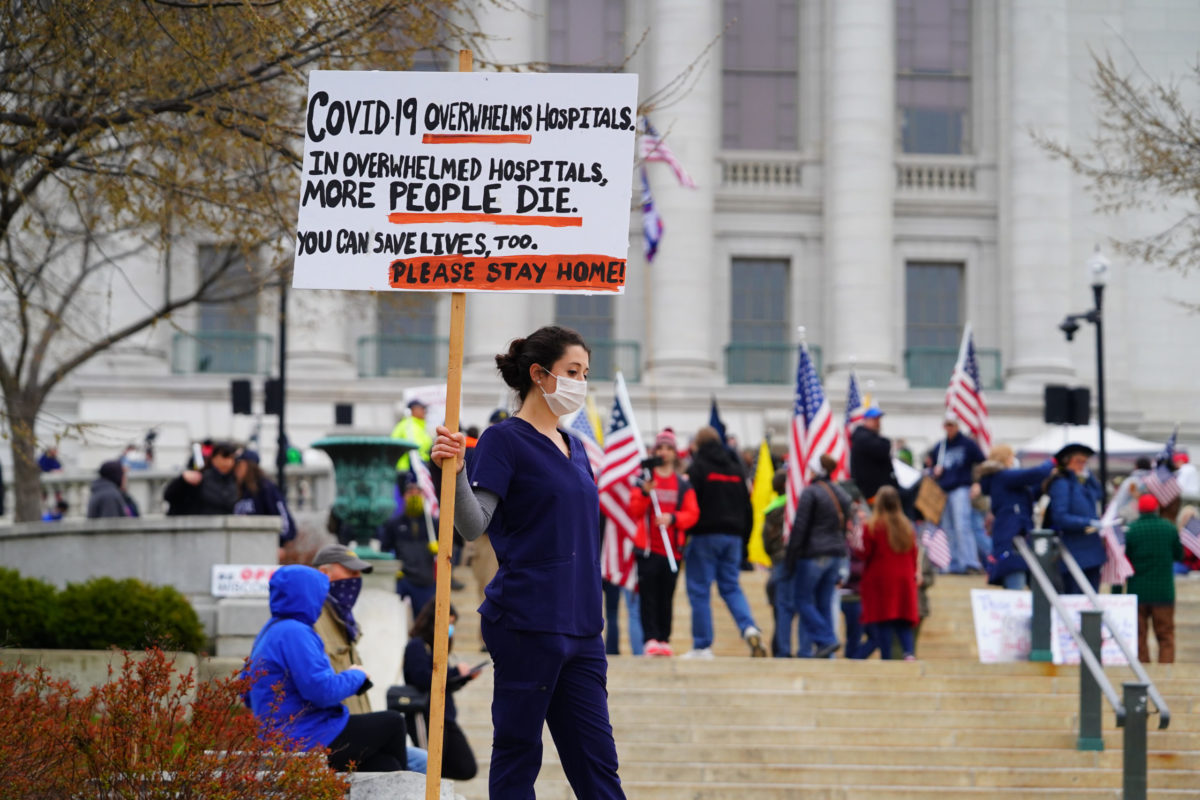
Even the best pandemic planning cannot account for elected representatives refusing to govern in the name of public health.
Advances in genetic and genomic studies have identified an increasing number of novel biomarkers of potential use in transplant-related care.

Extensions of state eviction moratoriums and large influxes of money for rental assistance are needed to keep people safe in their homes.

A discussion of strategies to encourage organ donation and to address inequities relating to transplantation.

Given the potential legal challenges policymakers may face, legislation to remedy the COVID-19 educational crisis must be carefully drafted.

Taking a broader, systems-level approach to the distribution of incoming COVID-19 vaccines may drive health equity.

Insufficient resources and particularly vulnerable populations have resulted in disproportionate and devastating effects of COVID-19 on remote communities.

In order to limit racial disparities in diversion programs, we should move away from using recidivism as their primary measure of success.

Who will get the COVID-19 vaccine soonest, and will those decisions be based on equitable criteria?

In recent months, public health guidance from the CDC has become a site of political reckoning.