
How Does the Mexican Constitution Regulate Crisis?
From the founding era, the Mexican constitution has upheld the value of the rule of law, even in extraordinary circumstances.
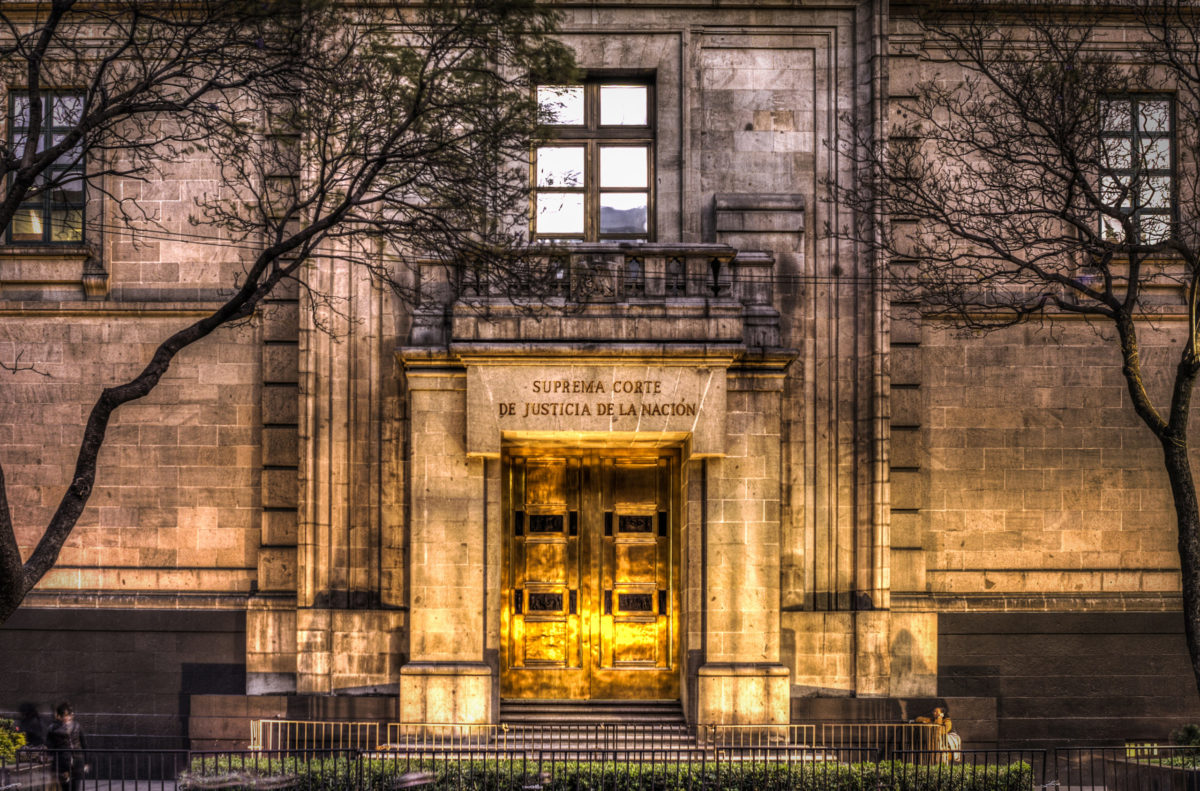
From the founding era, the Mexican constitution has upheld the value of the rule of law, even in extraordinary circumstances.
Growing problems are driven by one overarching institutional factor: a constitutionally unsustainable procedure for decision-making.
Here we are: almost 130,000 deaths, a Ministry of Health populated by military men, and a president who dismisses the pandemic as a “little flu.”

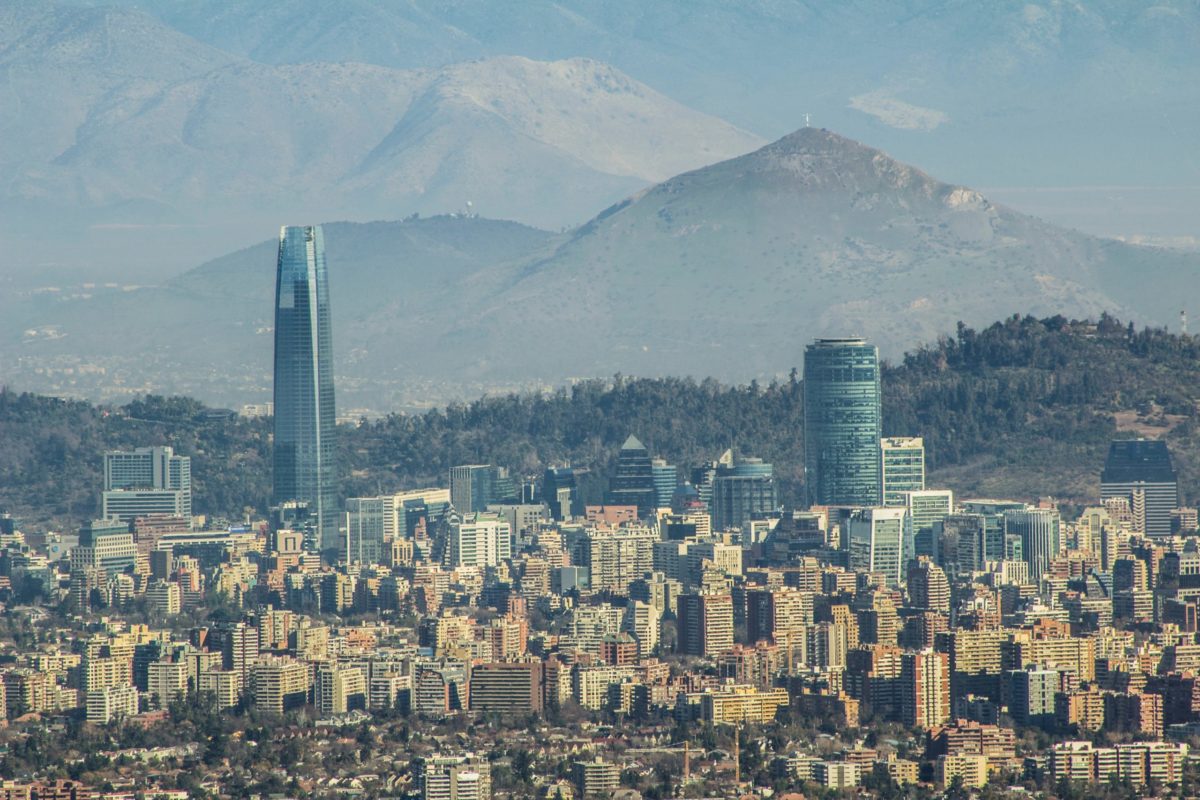
As the COVID-19 pandemic continues apace in Chile, a test of the country’s commitment to democracy and the rule of law looms close.
While the state AG is incorrect—the Governor can issue a mask order with possible criminal punishments—his opinion and the order raise important concerns.

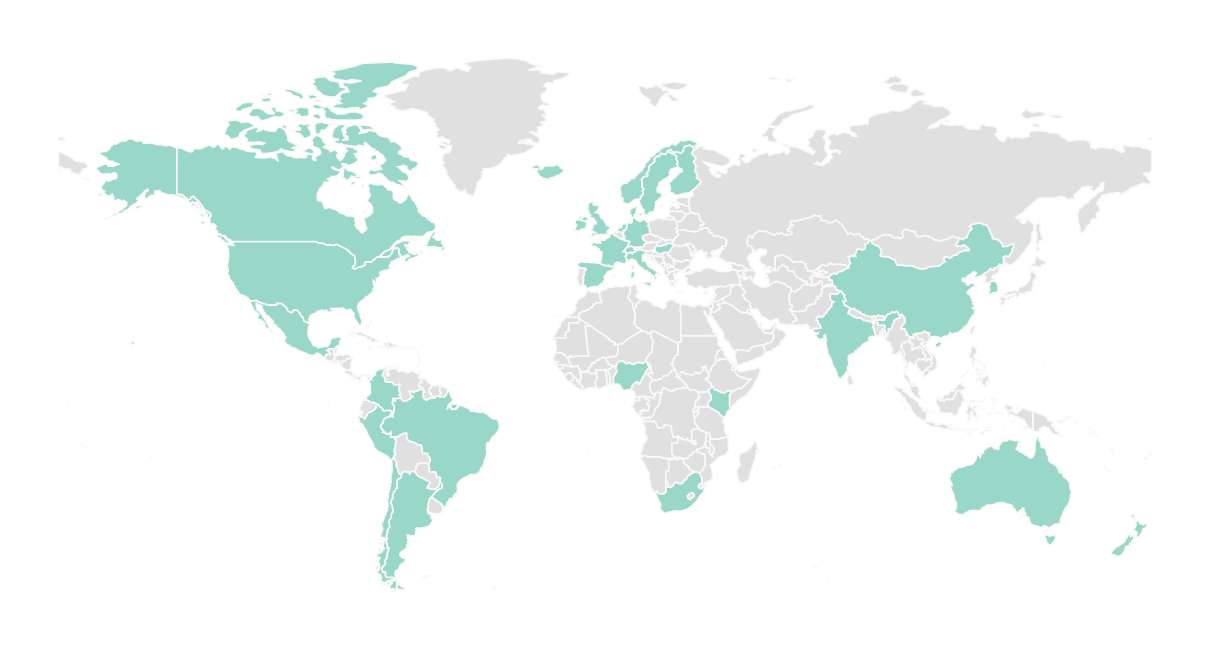
The greatest take-away may be the role of the law in reflecting and shaping the moral and structural foundations of our democracies.
Indignation over the Court’s outcome is misplaced. Even if the public supports an action, the judiciary must protect the structural separation of powers.
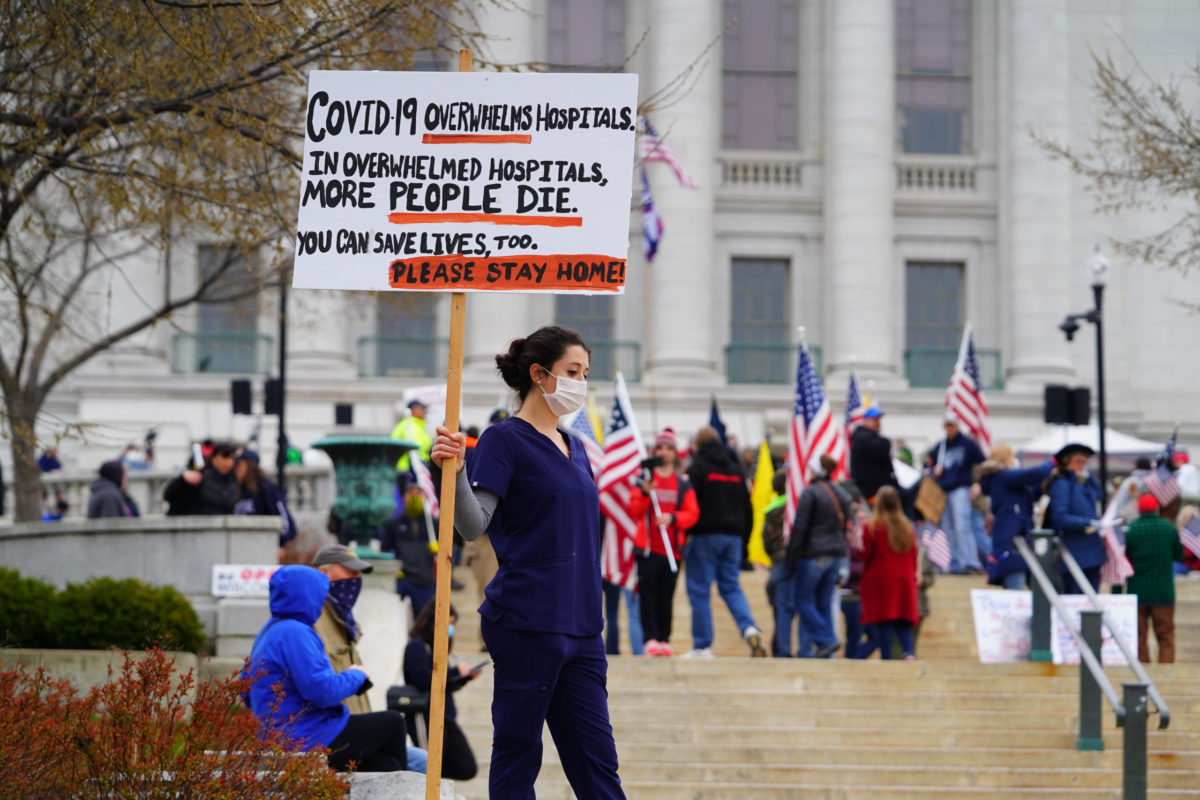
Policy wise, the measures are similar to those of other European countries. But the legal basis for these restrictions has proven extremely controversial.
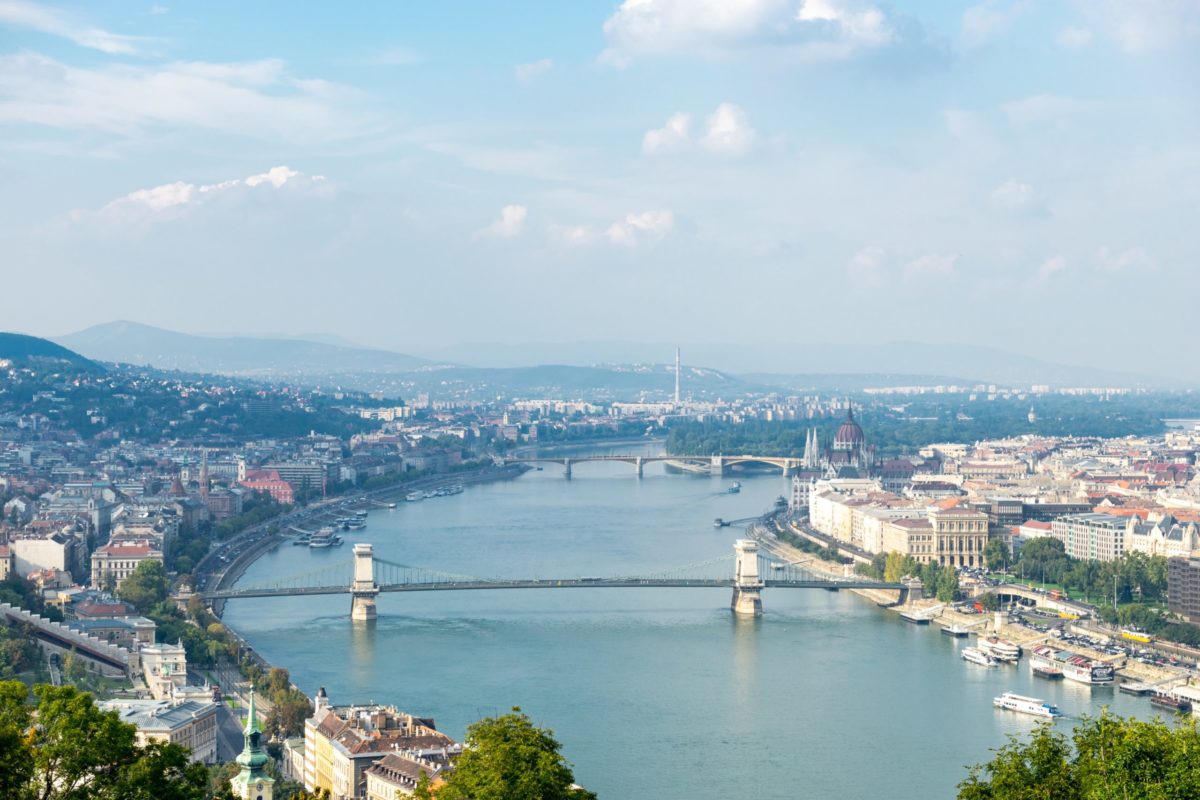
South Korea has been hailed for its swift and thorough response to the COVID-19 pandemic. But the response has come at a cost, affecting privacy and rights.

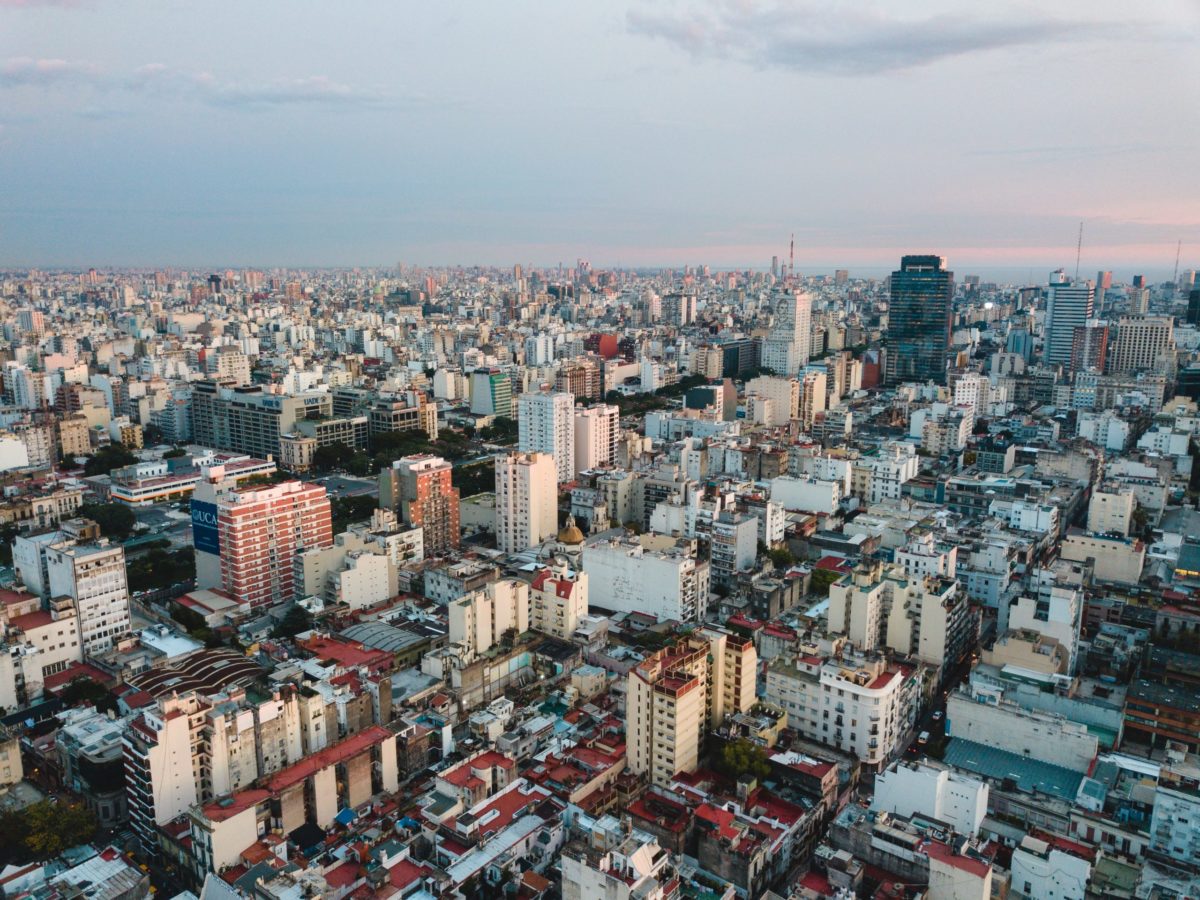
The Argentinian response to COVID-19 has concentrated power in the hands of the Executive, restricted fundamental rights, and militarized public space.