Human Rights at Risk During the Response to the COVID-19 Pandemic in Mexico
The Mexican Health System is too fragile to face COVID-19 due to the corruption and lack of investment of former administrations.
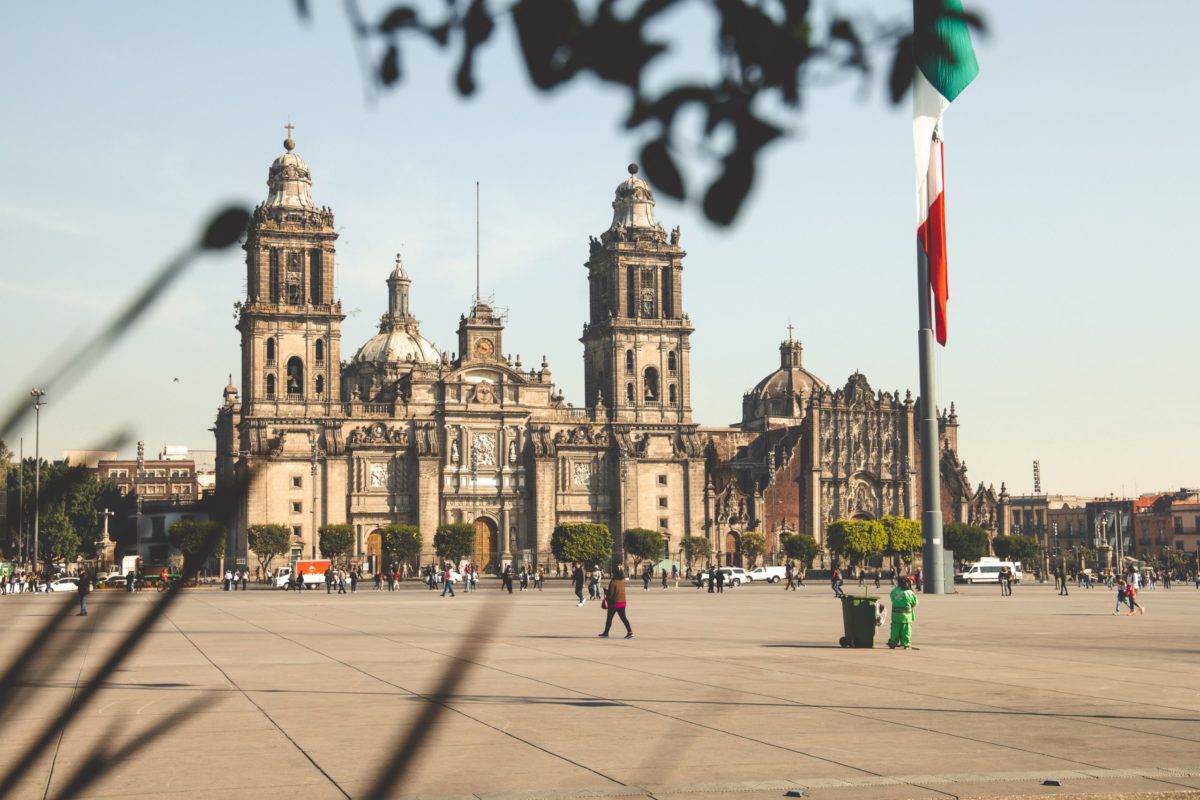
The Mexican Health System is too fragile to face COVID-19 due to the corruption and lack of investment of former administrations.
The government’s interventionist response raises many questions with respect to the rule of law and human rights, which we explore in this blog.

In this first installment we assess the centrality of care facilities to the COVID-19 pandemic and outline the infection risks for residents and workers.

A banner year for organ transplantation in the United States became a tattered memory by April 2020, when the COVID-19 pandemic hit.

Beyond specific violations of rights, it is important to note that the executive used the COVID-19 crisis to limit the work of other branches of government.

Like many other countries, different levels of government in Canada have adopted a wide range of measures in response to COVID-19.
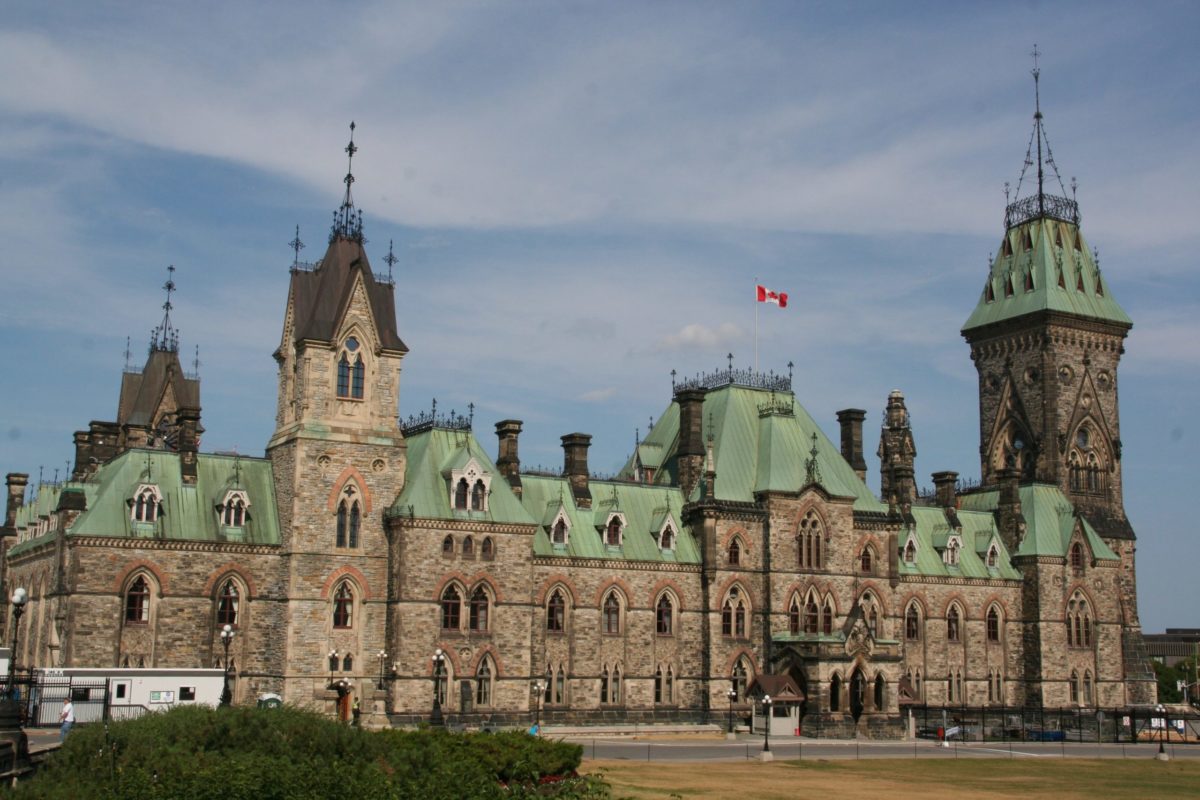
A state of sanitary emergency was declared for two months in order to allow the authorities “to deal with the major health threat” posed by COVID-19.

Coronavirus misinformation is beating truth to the punch. This “infodemic” anchors readers to its core messages and makes dislodging falsehoods difficult.

With the amendment, power that had previously belonged to regional commissions was transferred and centralized to the Health Minister.

On March 16th, Prime Minister Mark Rutte announced a range of measures aimed at “maximum control,” but not “maximum containment” of the virus.