Argentina: Facing Coronavirus in the Shadow of the Rule of Law
The Argentinian response to COVID-19 has concentrated power in the hands of the Executive, restricted fundamental rights, and militarized public space.
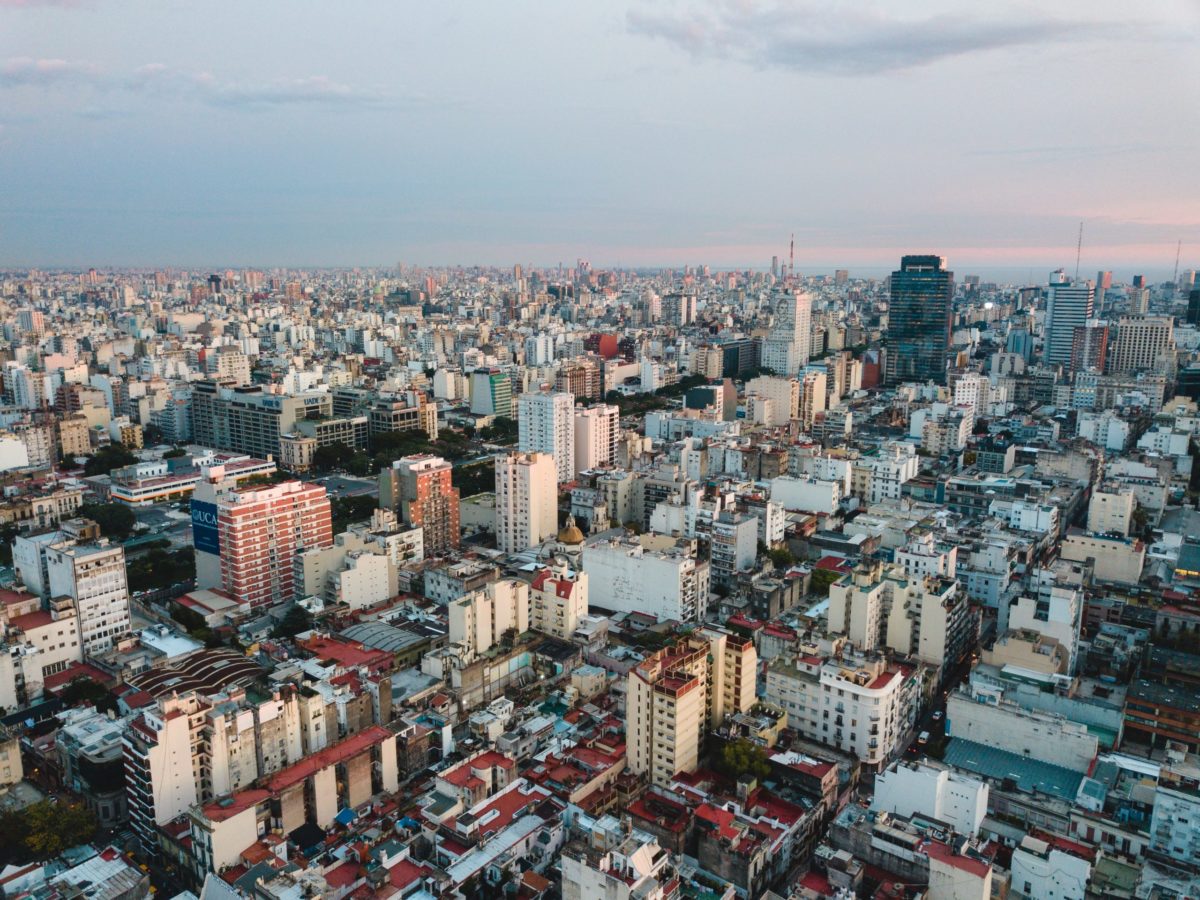
The Argentinian response to COVID-19 has concentrated power in the hands of the Executive, restricted fundamental rights, and militarized public space.
As a counter-measure to the COVID-19 pandemic, should wearing masks in public be required or merely recommended?
While measures followed existing public health advisories, they have raised significant legal, constitutional, human rights, and legitimacy issues.

Tensions between welfarisms that enable and those that suffocate are evident in Ireland’s move to restrict the spread of the COVID-19 pandemic.

Strict, early measures did not lead to better control of the disease, in comparison to other countries in the region.

South Africa’s response has mostly respected the rule of law. It remains to be seen whether it comes out on the right or wrong side of human rights.

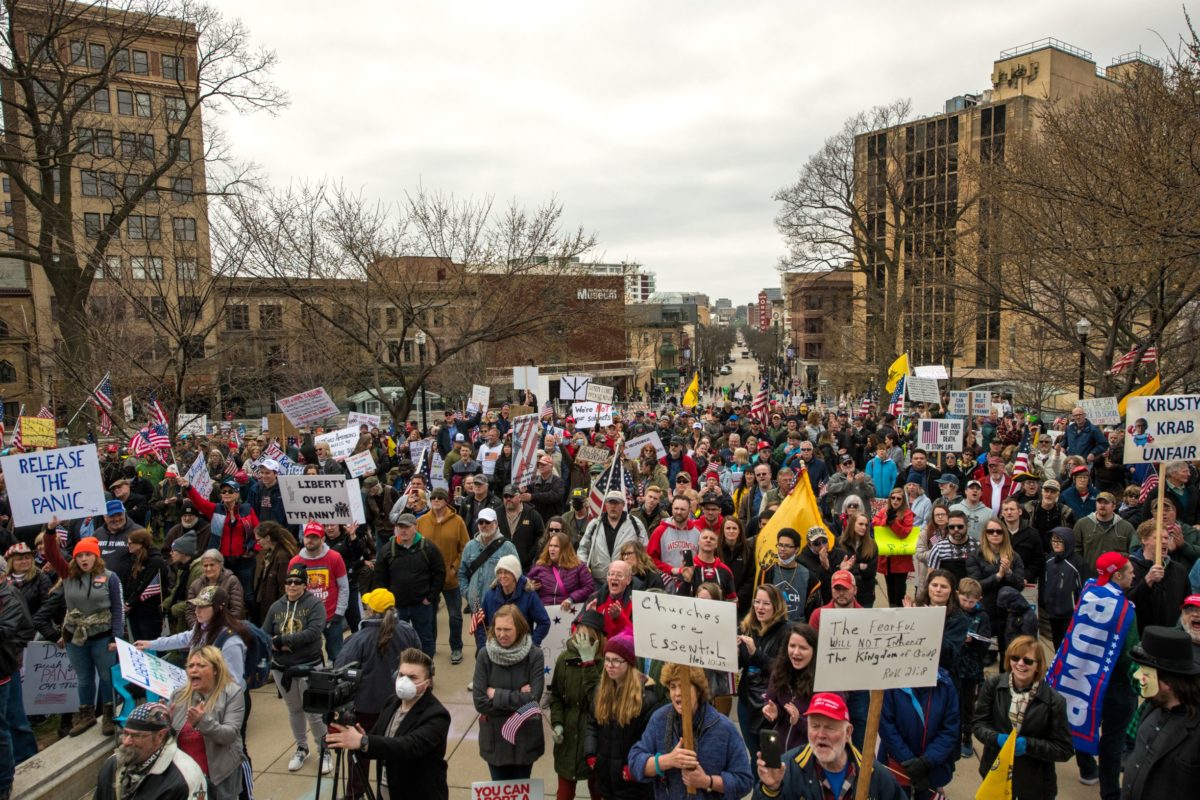
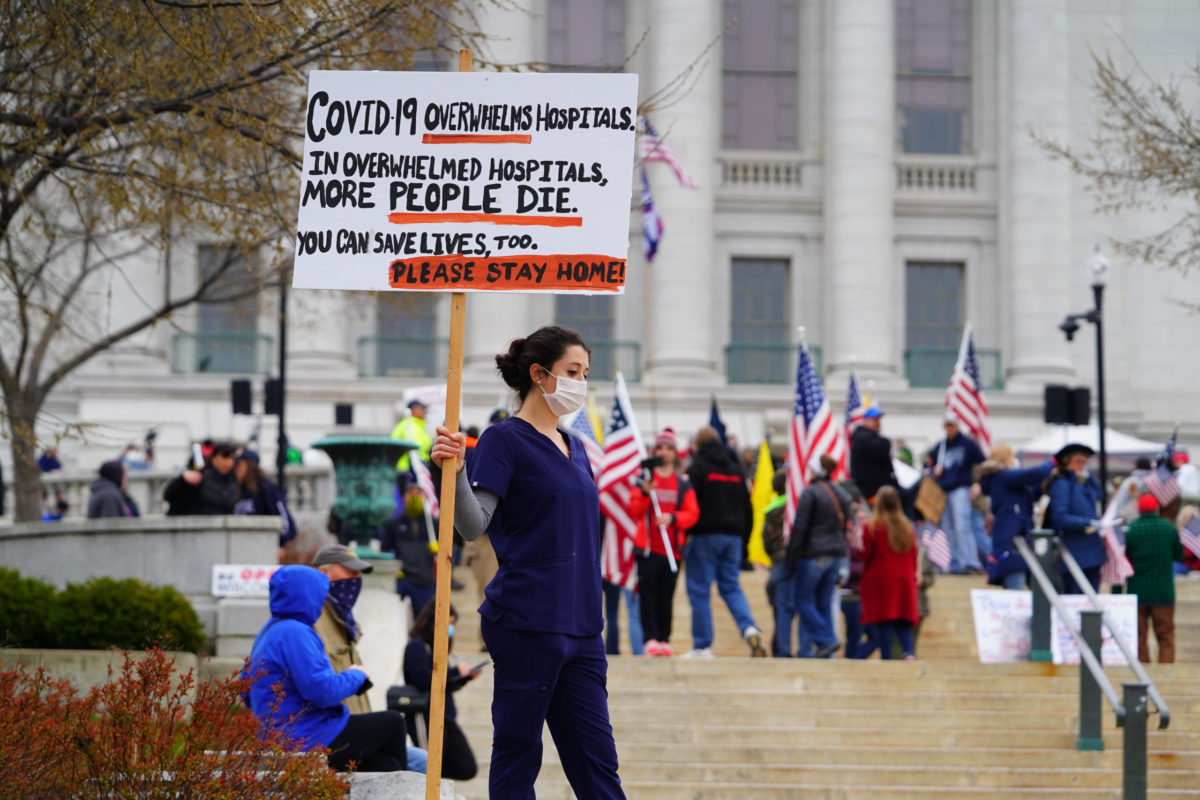
In Wisconsin, pushback against stay-at-home orders culminated in the state Supreme Court’s decision on May 13 to reverse the state’s “Safer at Home” policy.
This post is the second analysis of key themes that have emerged from the digital symposium “Global Responses to COVID-19: Rights, Democracy, and the Law.”

By Temple University Center for Public Health Law Research New data from the Center for Public Health Law Research captures the wide variety of mitigation policies from all 50 states and DC intended to prevent further spread and lessen the potential impact of the current COVID-19 pandemic. This data currently includes orders and laws from…
The selections below offer an array of perspectives on how the U.S. response to the pandemic has affected rights, democracy, and the rule of law.