Who Has a Duty to Protect Your Health? The Answer May Surprise You
The sources from which most people get health information provide advice without any obligation at all to individuals who hear and act on it.

The sources from which most people get health information provide advice without any obligation at all to individuals who hear and act on it.
Either through hard or soft law, there is a strong case to be made in favor of designing positive “rewarding” mechanisms to encourage cooperation.

It’s up to each of us to demand accountability and transparency, and to stay informed rather than assume others will act in our best interests.

The use of fair, reasonable and non-discriminatory (“FRAND”) terms in the licensing of intellectual property rights could foster cooperation in pandemics.

A pandemic instrument should enhance roles for and communication between regional and global governmental bodies and especially non-governmental actors.

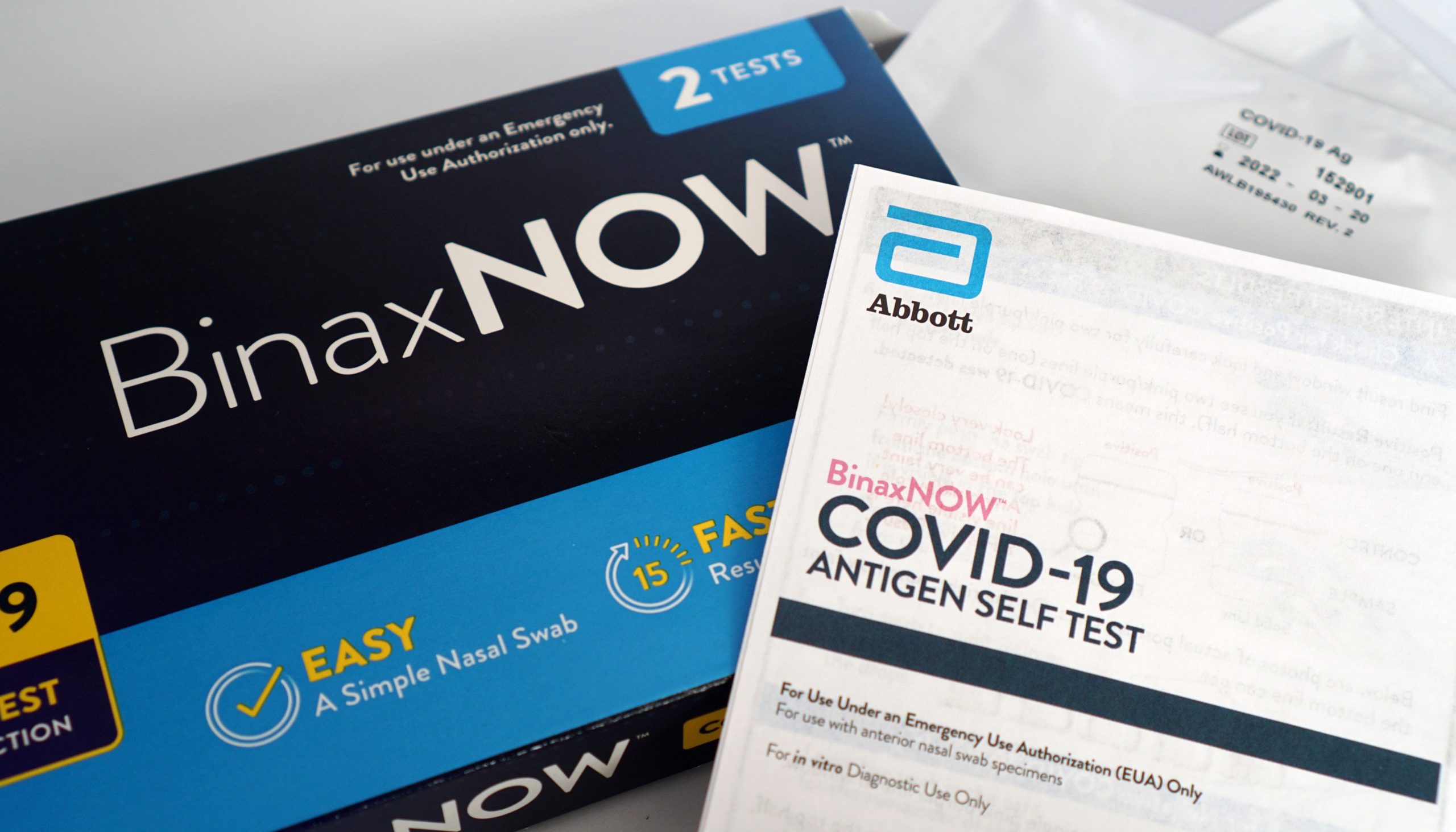
This policy doesn’t seem to encourage frequent and convenient testing now, which is particularly important as we face the current delta surge.
The discrepancy between past booster messaging and the current, broad recommendation has spawned public health communications problems.
COVID-19 vaccine hesitancy is further exacerbated by waves of misinformation promulgated on social media.
The international community must avoid entrenching in international law a system indifferent to right-to-health core obligations.

The age of hyper-globalization requires global institutions that enable global – collective – responses to contain pandemics worldwide.