Peru and COVID-19: Quick Response Hampered by Structural Failures
Strict, early measures did not lead to better control of the disease, in comparison to other countries in the region.

Strict, early measures did not lead to better control of the disease, in comparison to other countries in the region.
South Africa’s response has mostly respected the rule of law. It remains to be seen whether it comes out on the right or wrong side of human rights.

This post is the second analysis of key themes that have emerged from the digital symposium “Global Responses to COVID-19: Rights, Democracy, and the Law.”
By Temple University Center for Public Health Law Research New data from the Center for Public Health Law Research captures the wide variety of mitigation policies from all 50 states and DC intended to prevent further spread and lessen the potential impact of the current COVID-19 pandemic. This data currently includes orders and laws from…
The selections below offer an array of perspectives on how the U.S. response to the pandemic has affected rights, democracy, and the rule of law.
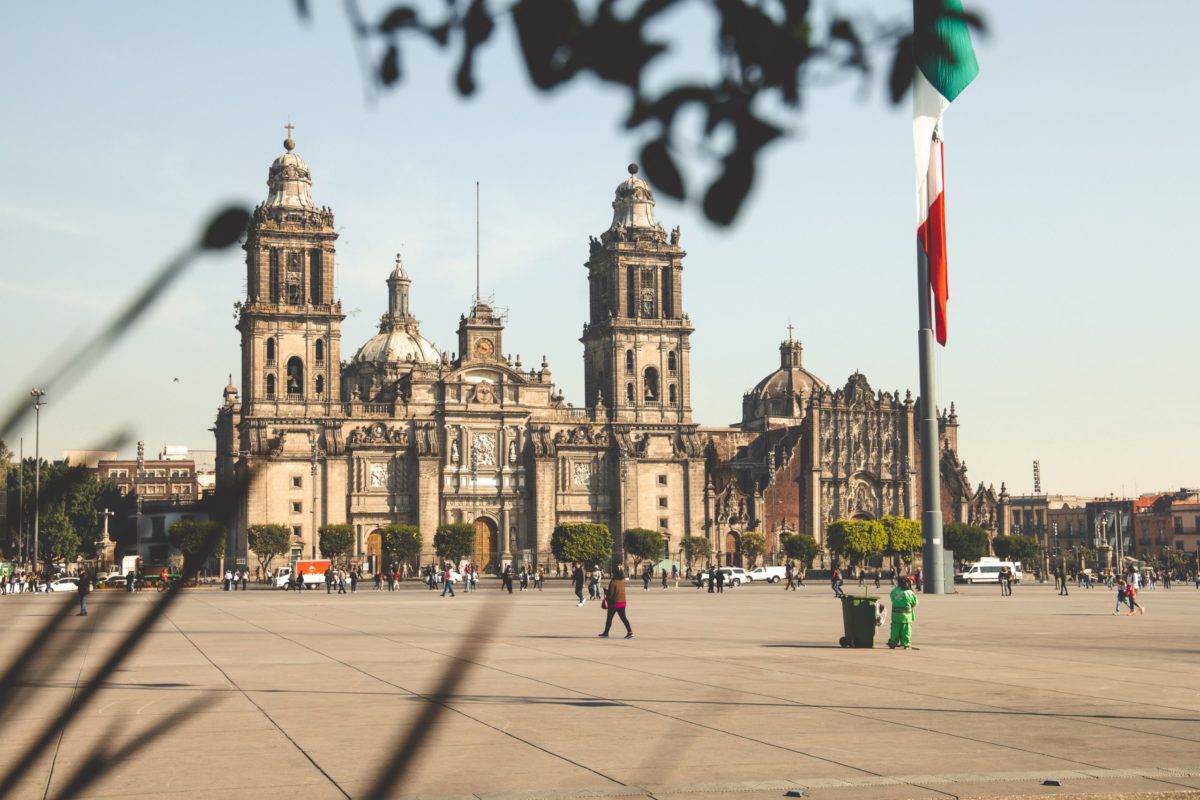
The Mexican Health System is too fragile to face COVID-19 due to the corruption and lack of investment of former administrations.
The government’s interventionist response raises many questions with respect to the rule of law and human rights, which we explore in this blog.

In this first installment we assess the centrality of care facilities to the COVID-19 pandemic and outline the infection risks for residents and workers.
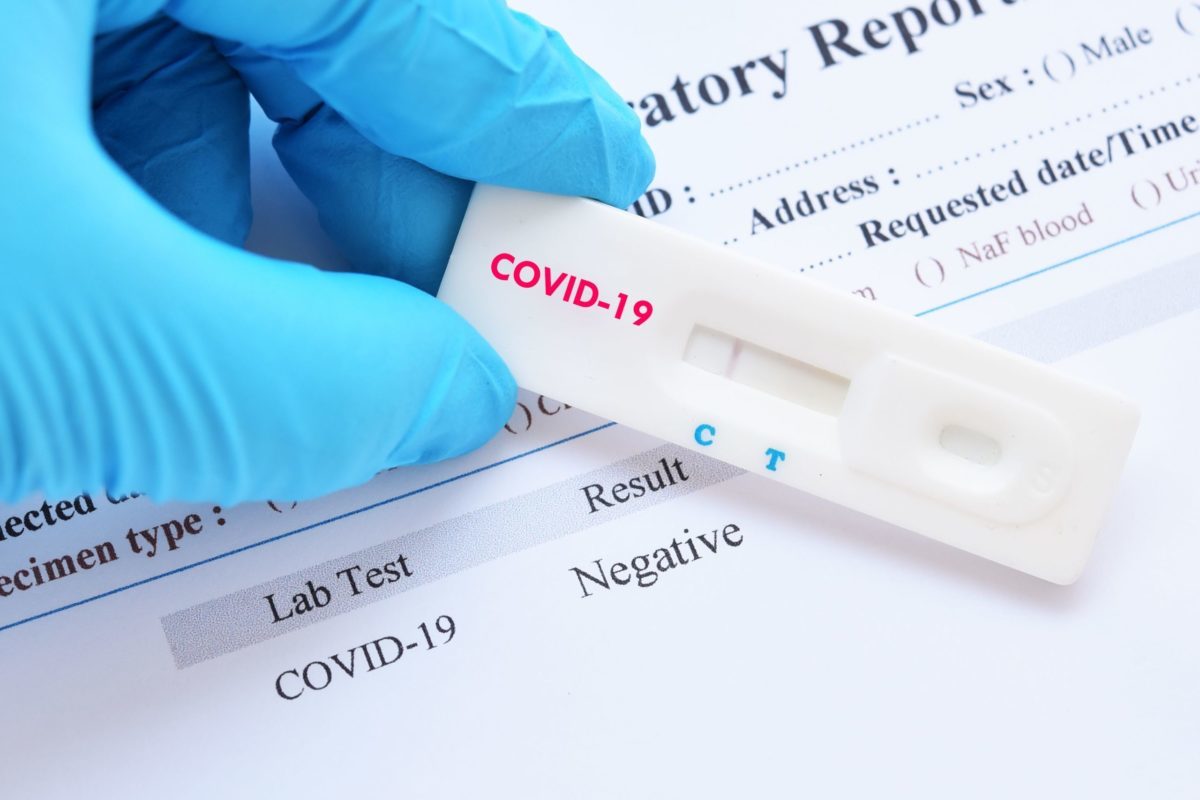
A banner year for organ transplantation in the United States became a tattered memory by April 2020, when the COVID-19 pandemic hit.

Beyond specific violations of rights, it is important to note that the executive used the COVID-19 crisis to limit the work of other branches of government.