Global Responses to COVID-19: An Inflection Point for Democracy, Rights, and Law
The greatest take-away may be the role of the law in reflecting and shaping the moral and structural foundations of our democracies.
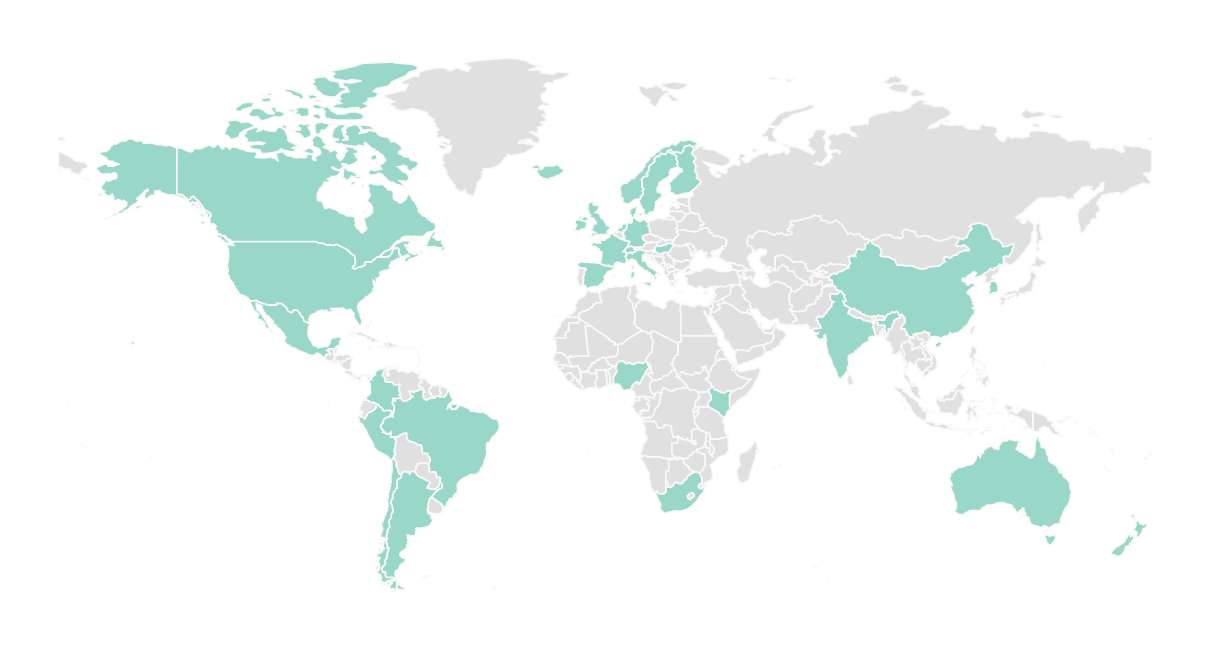
The greatest take-away may be the role of the law in reflecting and shaping the moral and structural foundations of our democracies.
Indignation over the Court’s outcome is misplaced. Even if the public supports an action, the judiciary must protect the structural separation of powers.
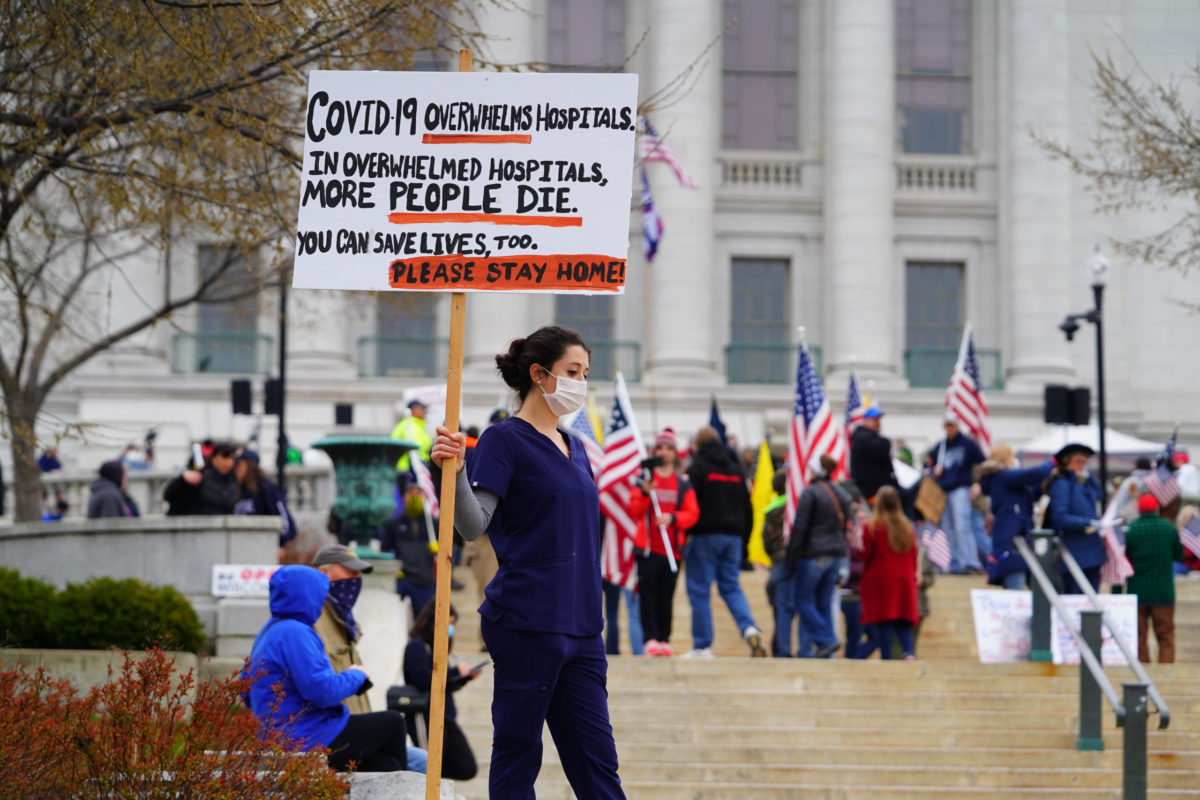
As the facts surrounding the response of care facilities to the pandemic become clearer, it is evident that regulation and enforcement should be expanded.

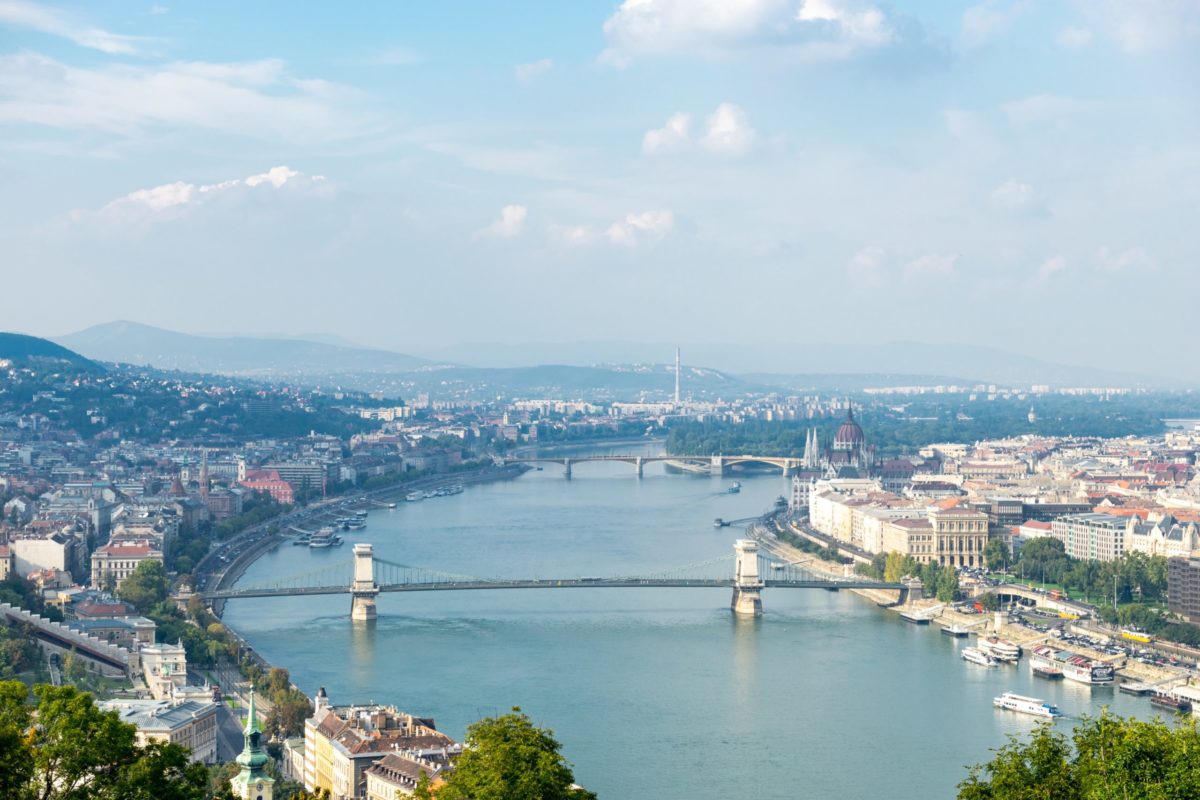
Policy wise, the measures are similar to those of other European countries. But the legal basis for these restrictions has proven extremely controversial.
The JLB put out a call for essays and articles on governance in a time of pandemic. Browse the table of contents for the special issue here.
South Korea has been hailed for its swift and thorough response to the COVID-19 pandemic. But the response has come at a cost, affecting privacy and rights.

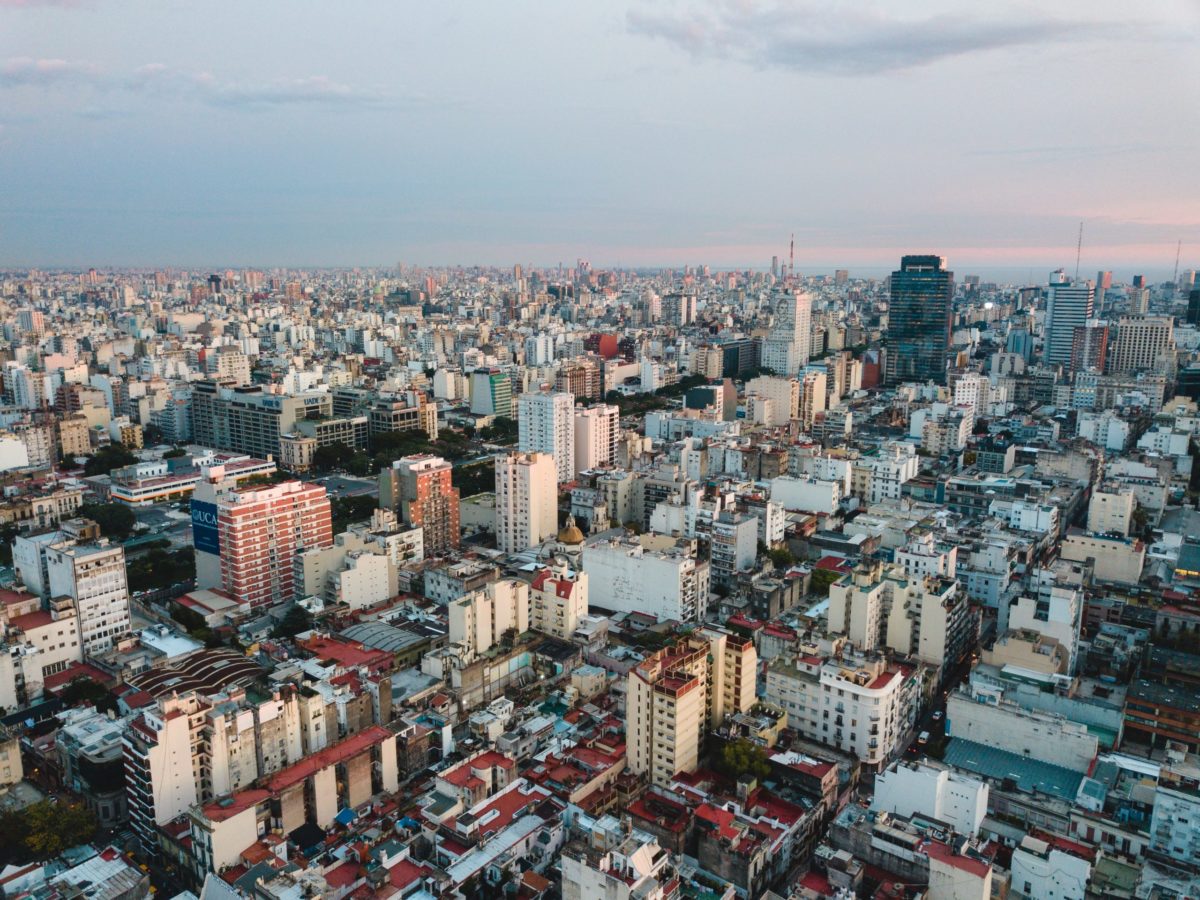
The Argentinian response to COVID-19 has concentrated power in the hands of the Executive, restricted fundamental rights, and militarized public space.
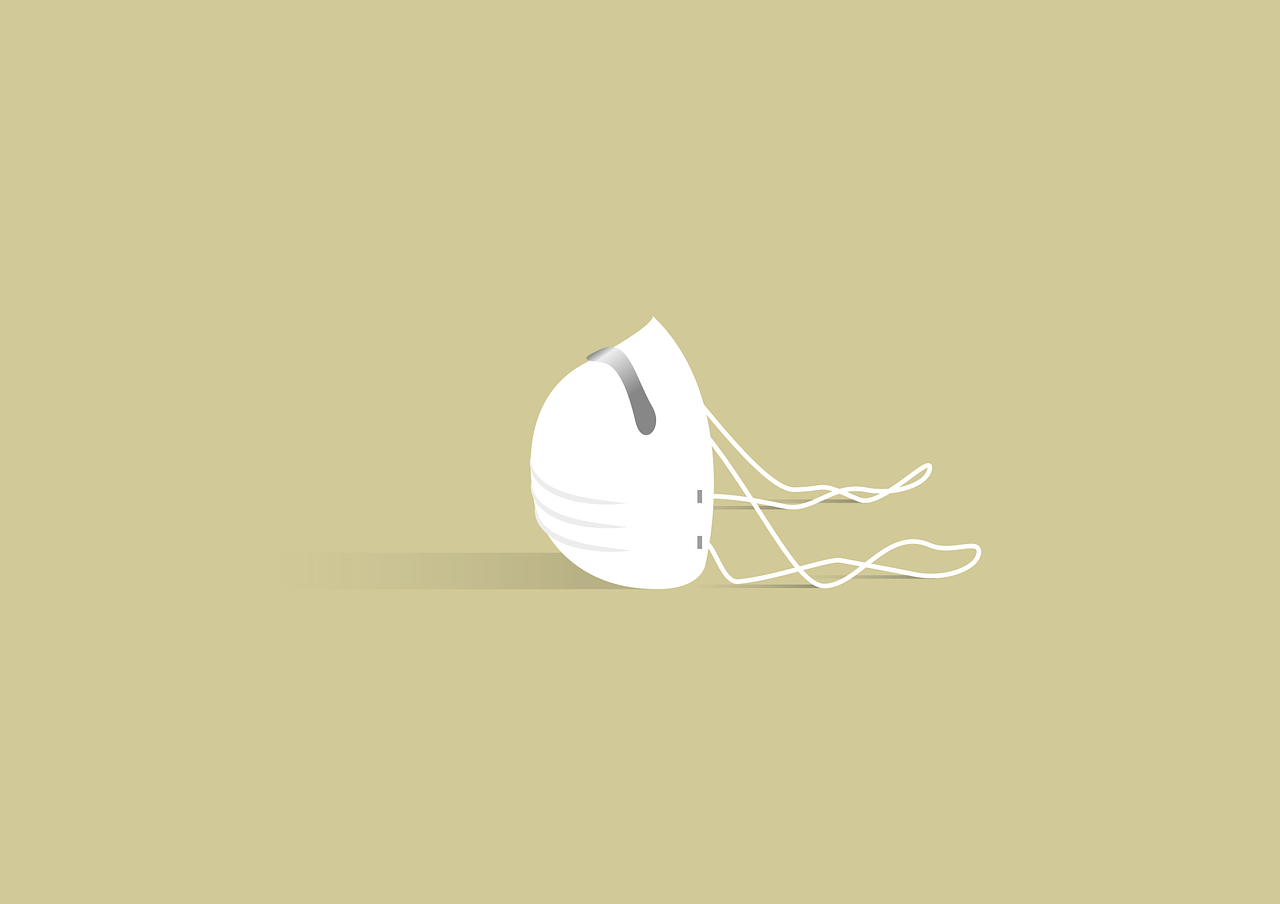
As a counter-measure to the COVID-19 pandemic, should wearing masks in public be required or merely recommended?
While measures followed existing public health advisories, they have raised significant legal, constitutional, human rights, and legitimacy issues.

Tensions between welfarisms that enable and those that suffocate are evident in Ireland’s move to restrict the spread of the COVID-19 pandemic.