Human Rights, the Rule of Law, and COVID-19 in South Africa
South Africa’s response has mostly respected the rule of law. It remains to be seen whether it comes out on the right or wrong side of human rights.

South Africa’s response has mostly respected the rule of law. It remains to be seen whether it comes out on the right or wrong side of human rights.
This post is the second analysis of key themes that have emerged from the digital symposium “Global Responses to COVID-19: Rights, Democracy, and the Law.”
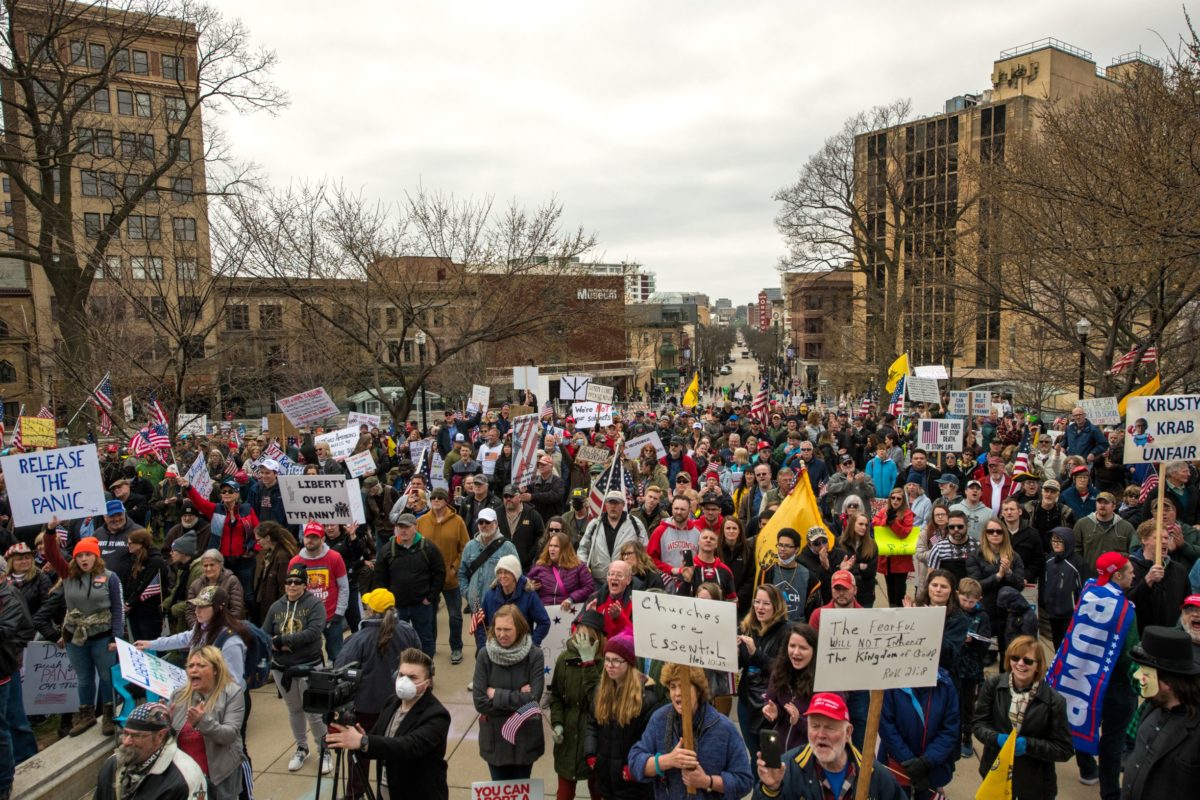
The selections below offer an array of perspectives on how the U.S. response to the pandemic has affected rights, democracy, and the rule of law.
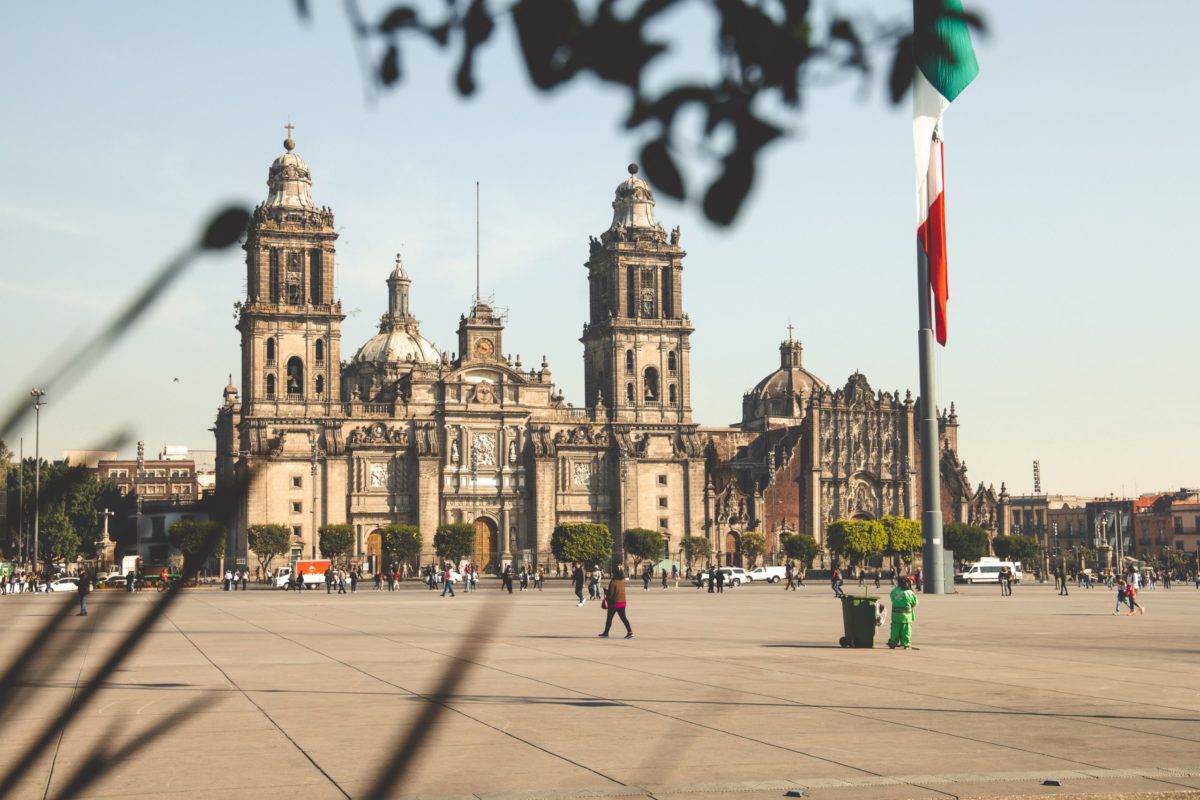
The Mexican Health System is too fragile to face COVID-19 due to the corruption and lack of investment of former administrations.
The government’s interventionist response raises many questions with respect to the rule of law and human rights, which we explore in this blog.

Beyond specific violations of rights, it is important to note that the executive used the COVID-19 crisis to limit the work of other branches of government.
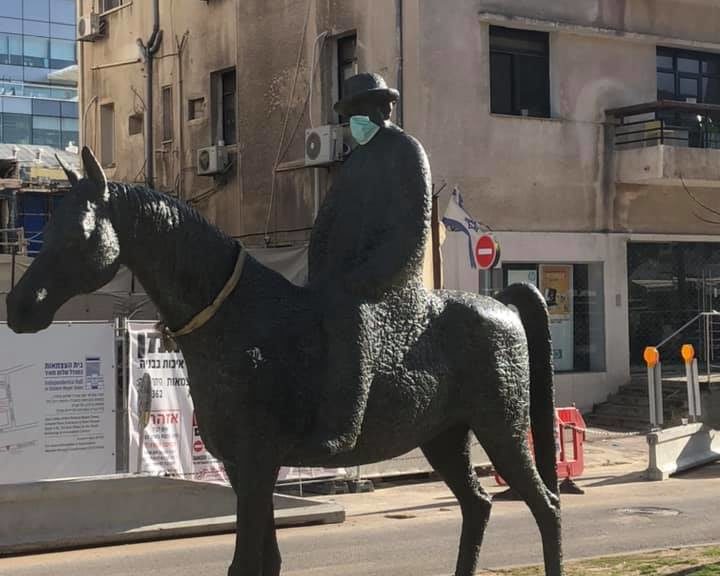
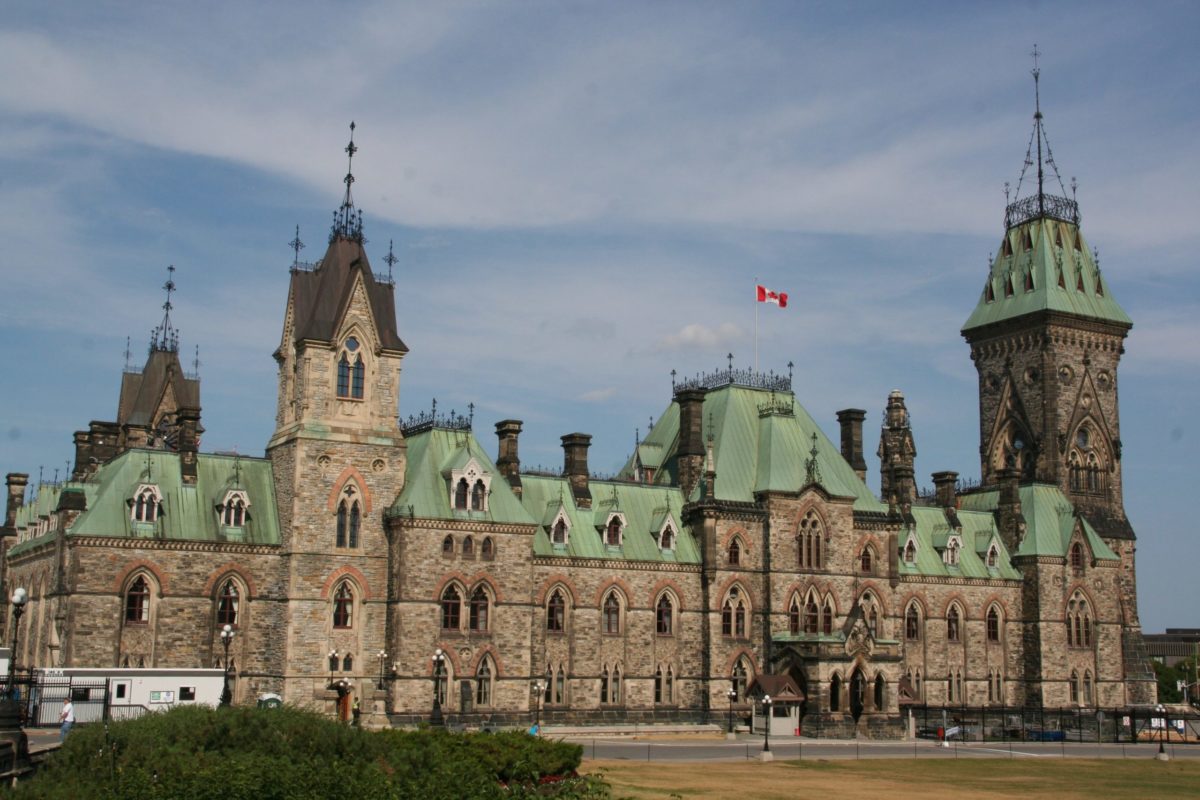
Like many other countries, different levels of government in Canada have adopted a wide range of measures in response to COVID-19.
A state of sanitary emergency was declared for two months in order to allow the authorities “to deal with the major health threat” posed by COVID-19.

With the amendment, power that had previously belonged to regional commissions was transferred and centralized to the Health Minister.
On March 16th, Prime Minister Mark Rutte announced a range of measures aimed at “maximum control,” but not “maximum containment” of the virus.