The Communities of Health Justice
How might health justice engage health as a community good, and how might communities participate in creating the meanings of health justice?
How might health justice engage health as a community good, and how might communities participate in creating the meanings of health justice?
This symposium explores how scholars, activists, communities, and health officials can use health justice frameworks to achieve health equity.

The COVID-19 pandemic has shone a light on the underinsurance crisis that has long kept millions of Americans on the precipice of financial disaster.

As the rich get richer, those of low socioeconomic status are doubly marginalized by the classism that characterizes the international pandemic response.
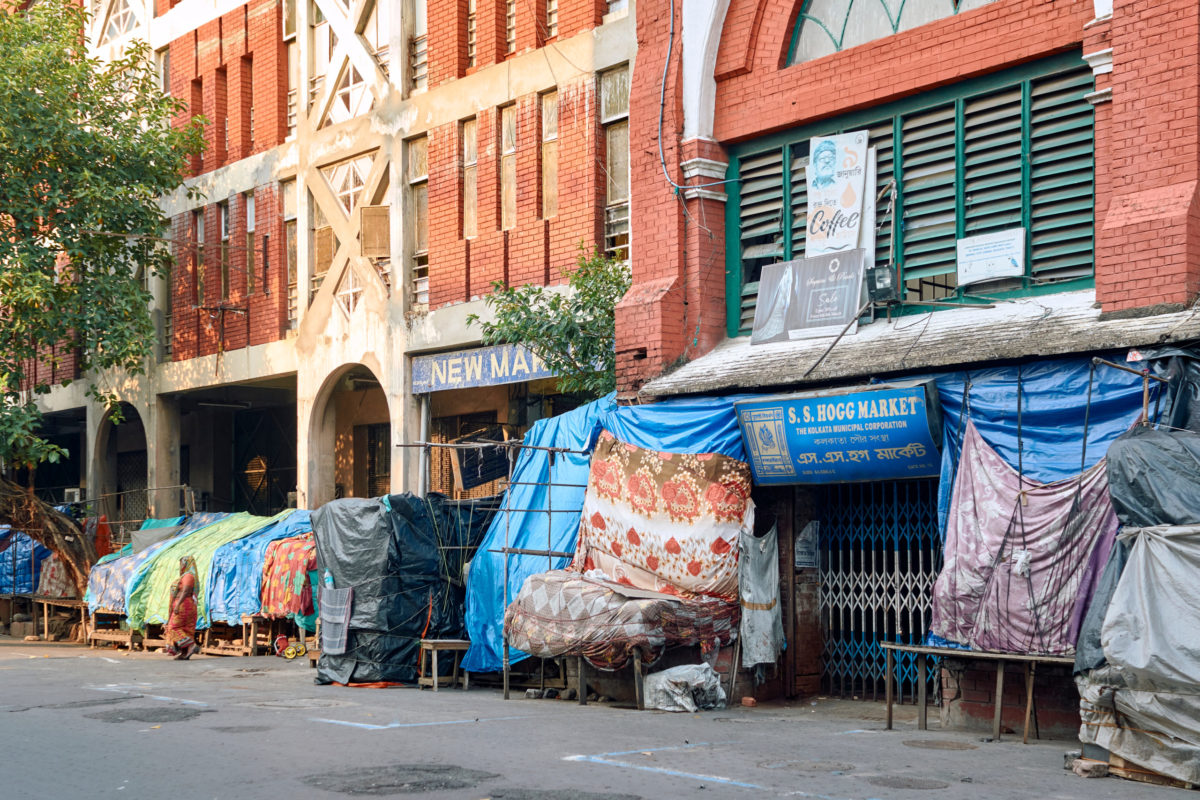
In concentrating on largely Western conceptions of health, the international pandemic response paid insufficient attention to realities in the Global South.

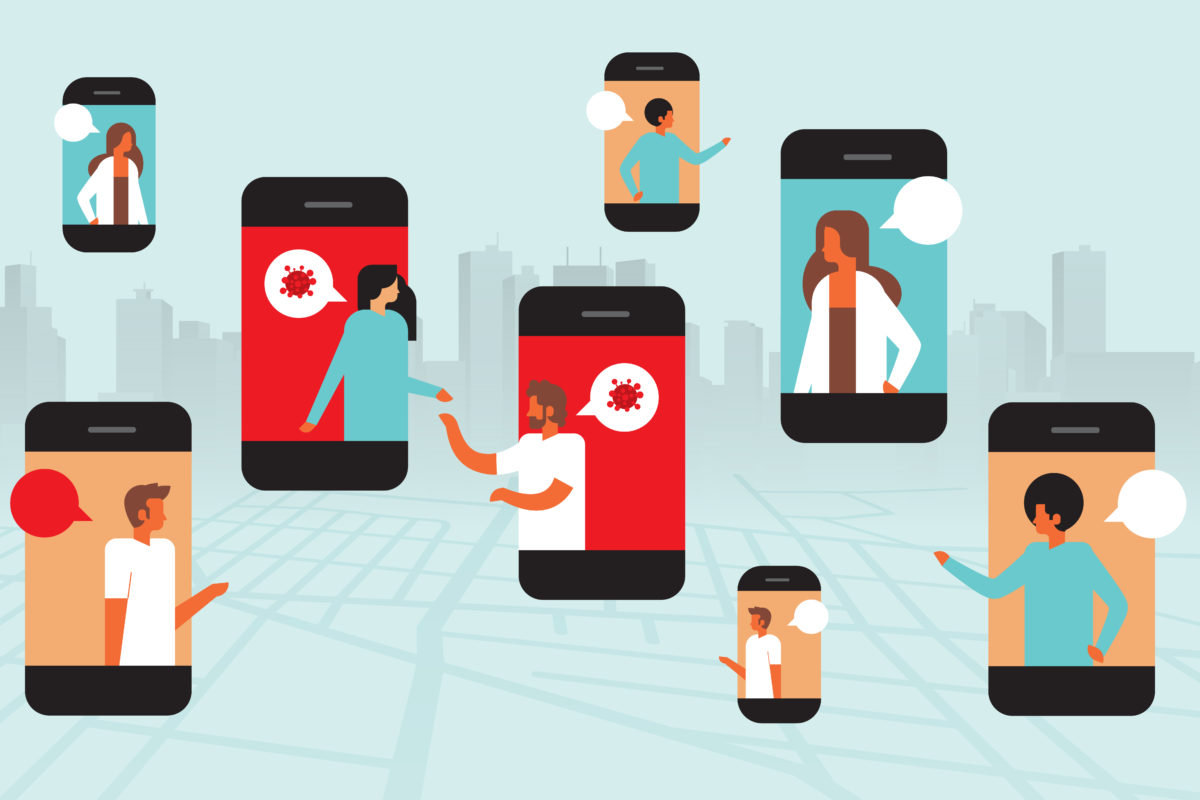
In affording asymmetric protection to those in the Global North, the technified coronavirus response exemplifies digital colonialism.
Is obesity a manifestation of systemic racism? This teaching guide will stir thought and provoke discussion among students.
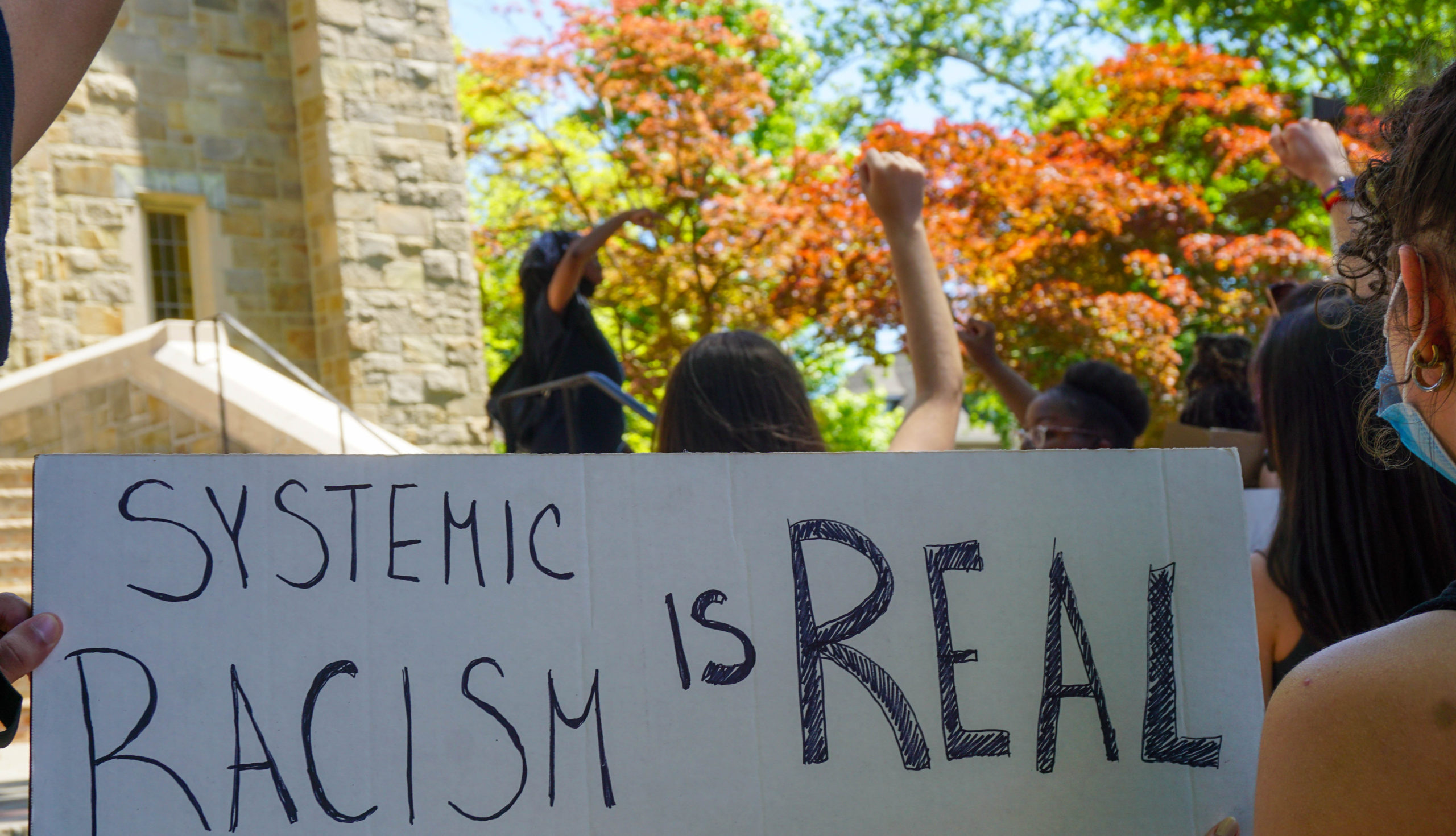
Even the best pandemic planning cannot account for elected representatives refusing to govern in the name of public health.
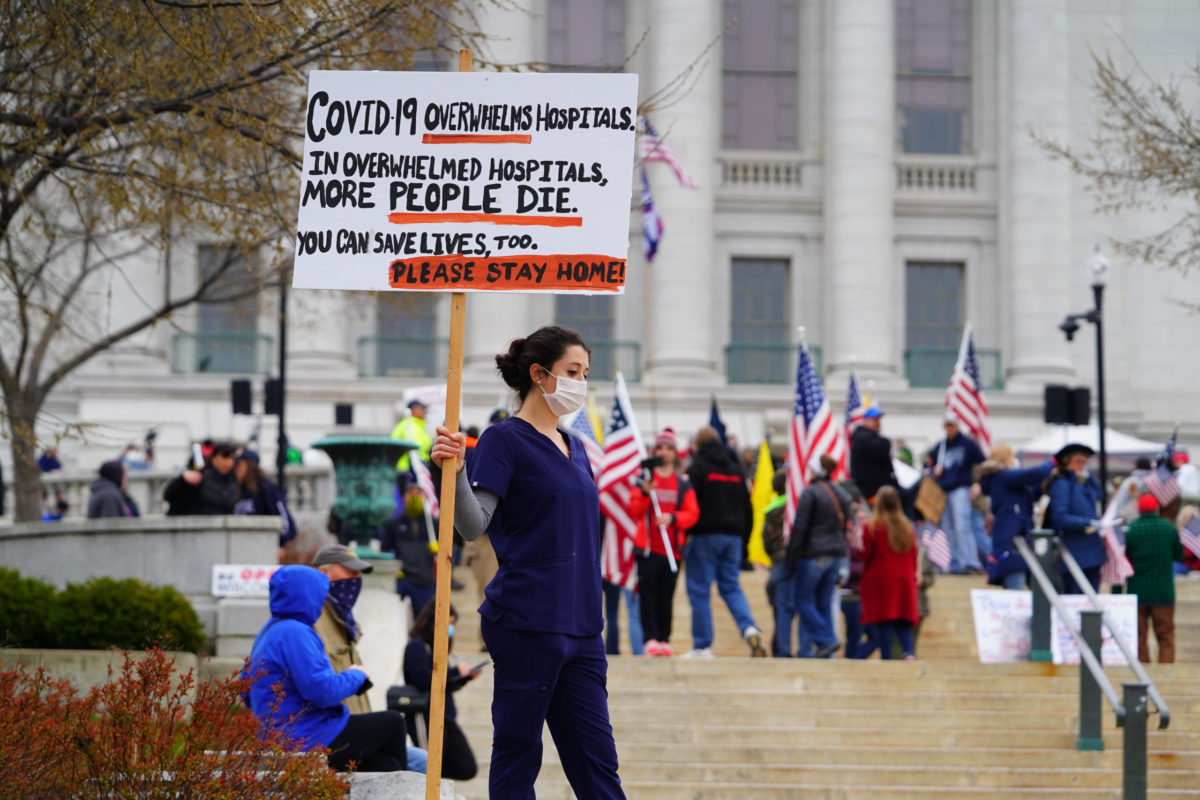
The failure to control the COVID-19 pandemic in the United States rests, in part, on the individualist nature of our public health responses.

In recent months, public health guidance from the CDC has become a site of political reckoning.