The Civil Rights Challenge to Gene Patenting
The ACLU mounted an unprecedented challenge the entire practice of gene patenting in America. And, against the odds, they won.
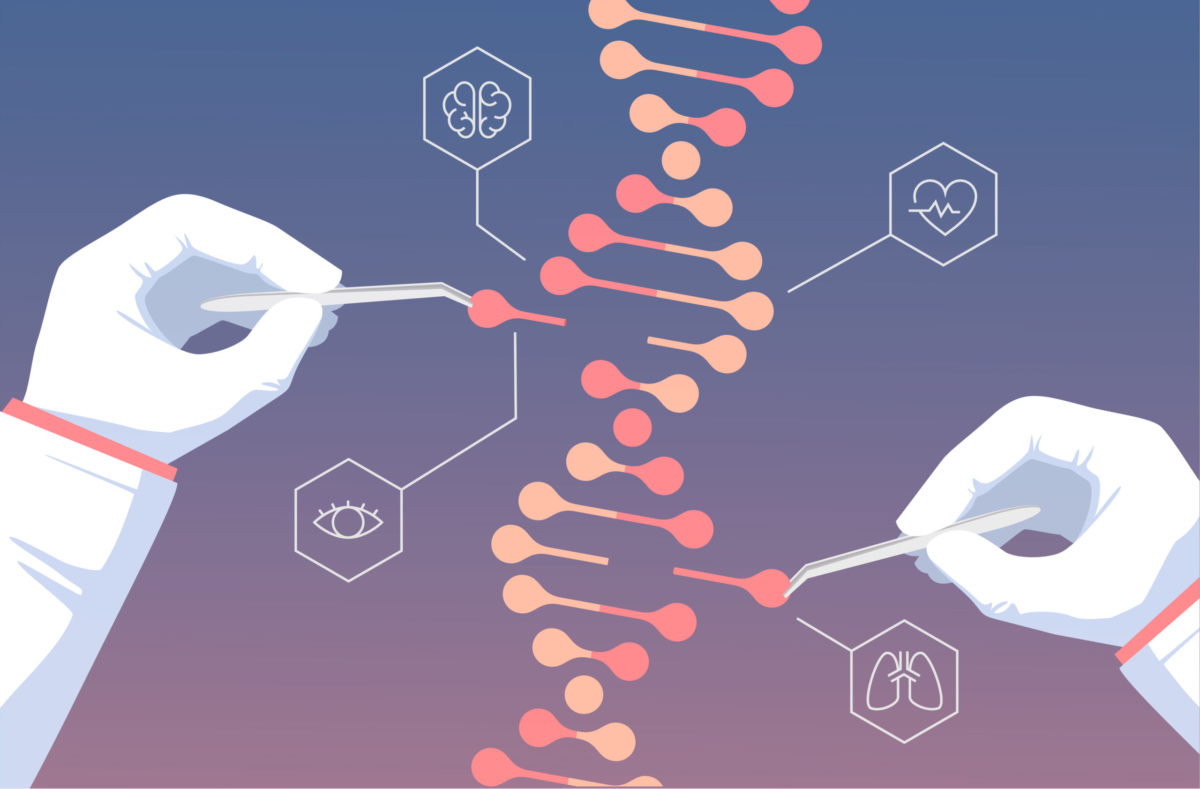
The ACLU mounted an unprecedented challenge the entire practice of gene patenting in America. And, against the odds, they won.
An ongoing patent battle over omega-3 fatty acids may have broad implications for the marketing of generic drugs.

For the generic drug and biosimilar industries, the Supreme Court’s recent decision in United States v. Arthrex, Inc. comes as a relief.
This post reflects on the ethical implications of FDA’s use of its emergency powers, and suggests opportunities for greater accountability moving forward.

How the Court decides United States v. Arthrex will have important implications for patent law and for administrative law more generally.
Three developments may have effects on the use of patents to fend off competition for therapeutic monoclonal antibodies.

Are manufacturing method patents warranted intellectual property protections, or groundless obstacles to competition?

In this post, I explore several problematic aspects of the court’s reasoning for rejecting the claims of pay-for-delay and market allocation.
The history of EUA involves fundamental questions about the role of public officials, scientific expertise, and administrative norms in times of crisis.

The purpose of the secondary patent filings was to assemble a thicket of patents, 132 in all, to prohibit competition from biosimilar companies.