
The Canadian Response to COVID-19
Like many other countries, different levels of government in Canada have adopted a wide range of measures in response to COVID-19.
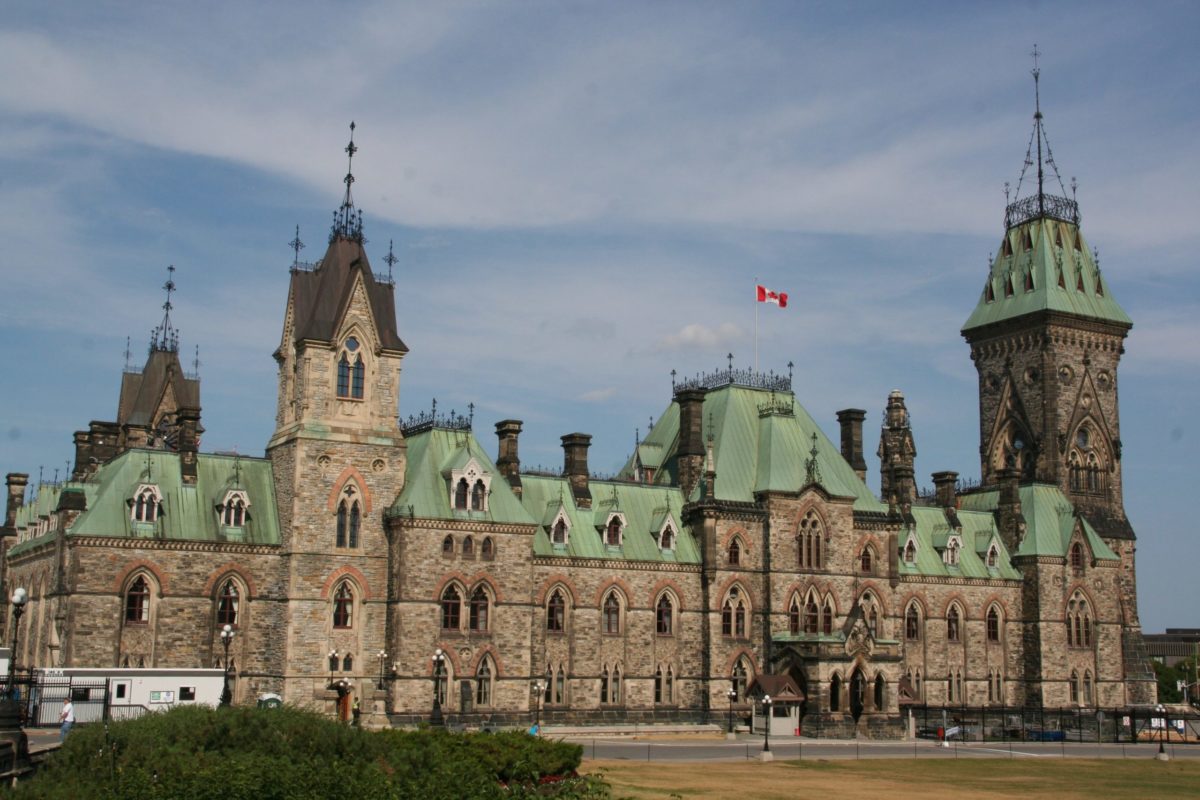
Like many other countries, different levels of government in Canada have adopted a wide range of measures in response to COVID-19.
A state of sanitary emergency was declared for two months in order to allow the authorities “to deal with the major health threat” posed by COVID-19.

With the amendment, power that had previously belonged to regional commissions was transferred and centralized to the Health Minister.
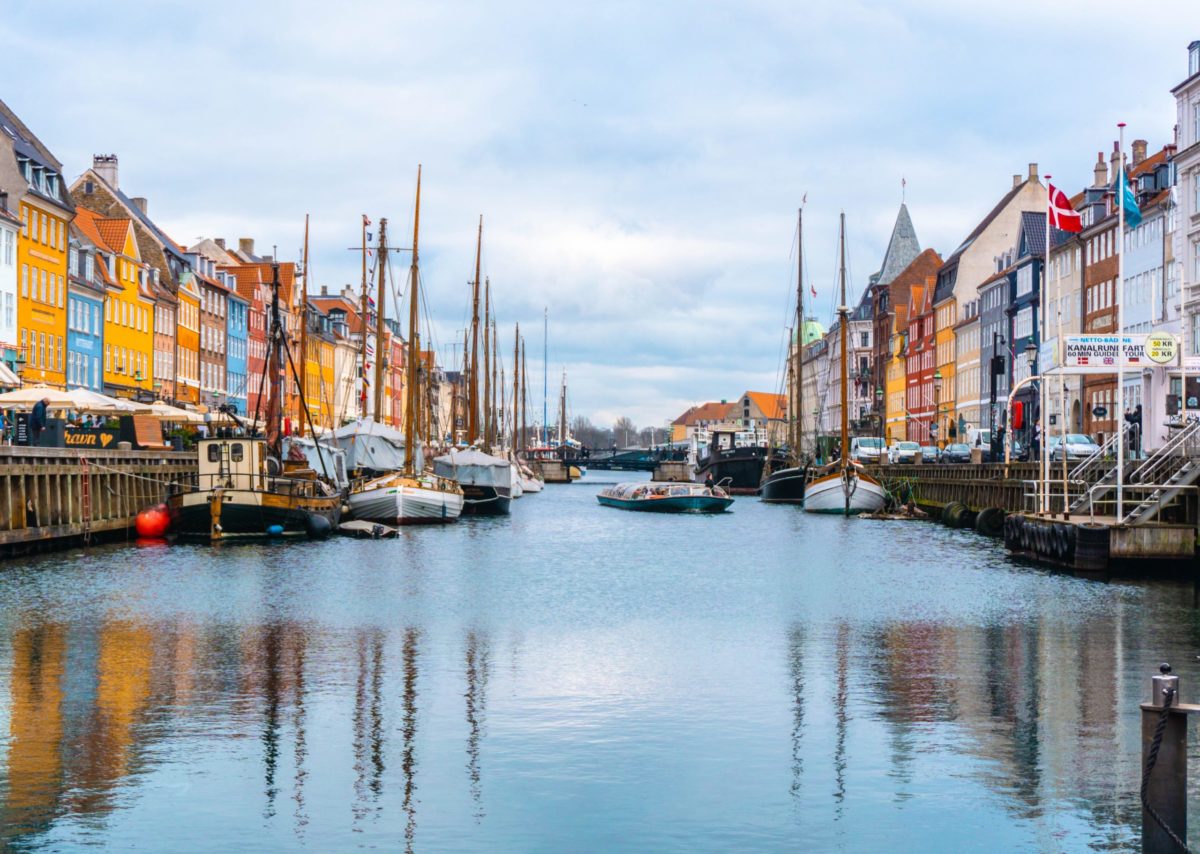
On March 16th, Prime Minister Mark Rutte announced a range of measures aimed at “maximum control,” but not “maximum containment” of the virus.
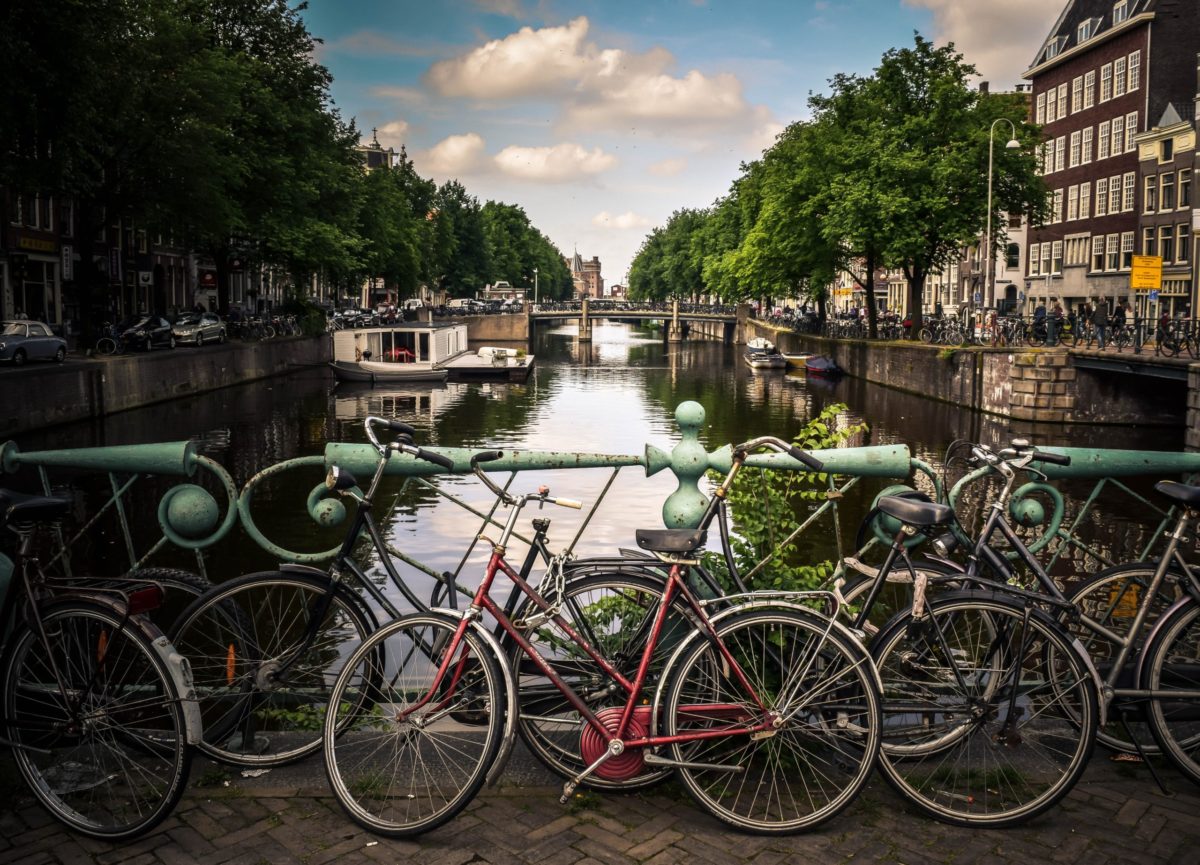
As of May 22nd, new infections have reduced to a trickle – there are often zero new cases per day, after weeks of being in the single digits.

The measures taken in the U.K. to respond to the pandemic have been described as “almost certainly the most severe restrictions on liberty ever imposed.”
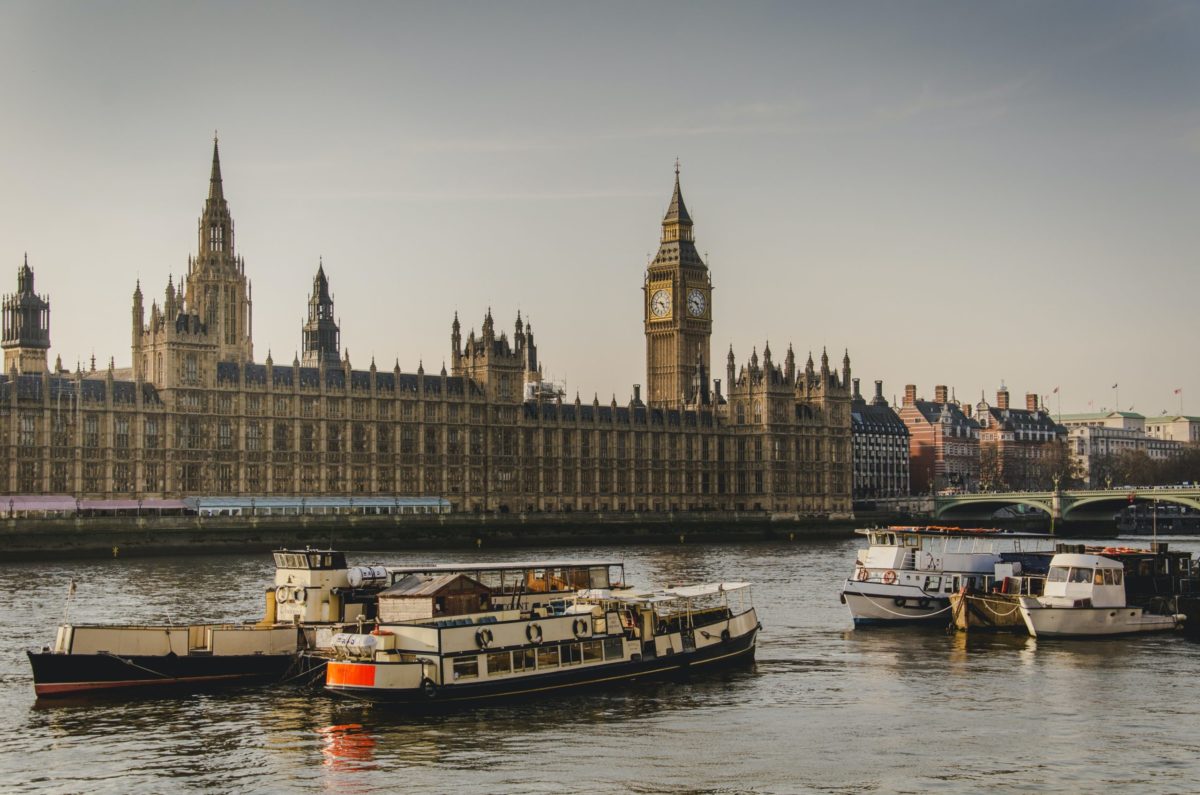
The negotiation of difference and its implications for freedoms and entitlements is the central legitimacy challenge in modern democracies.
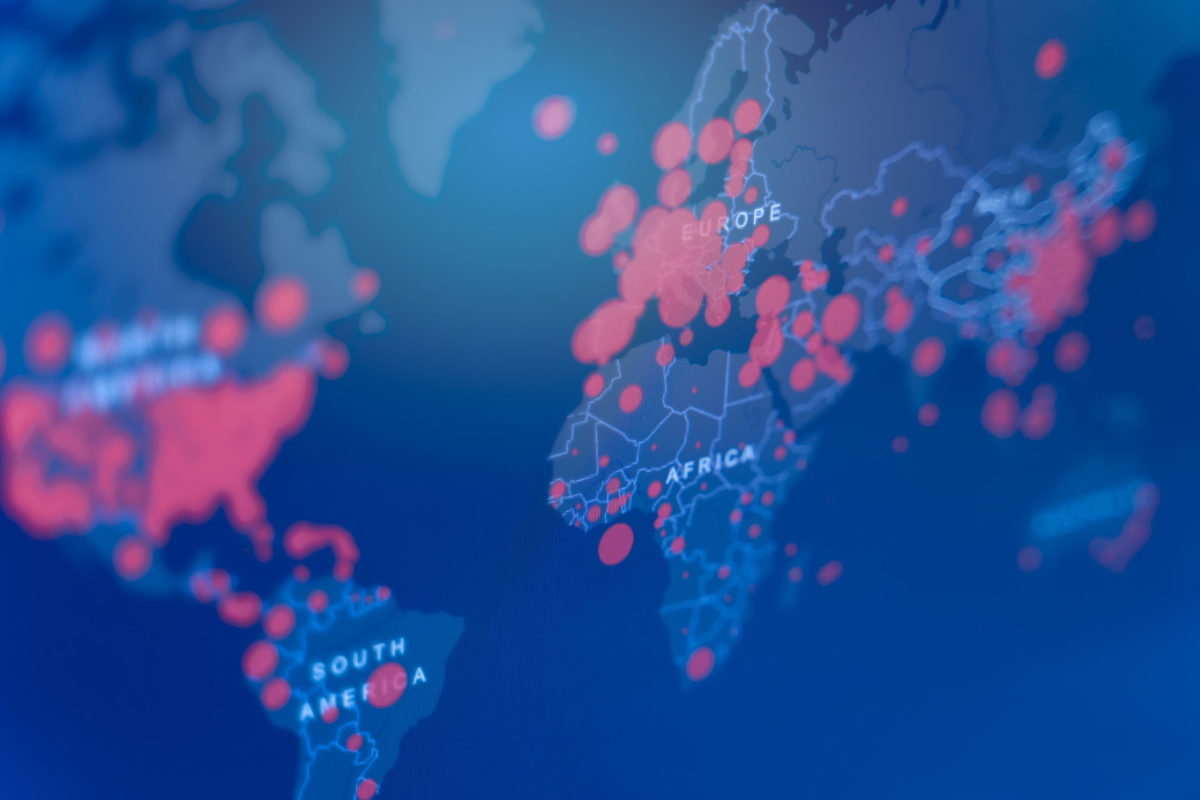
While the mandatory isolation orders are quite broad, there are concerns about the effectiveness of the quarantine.
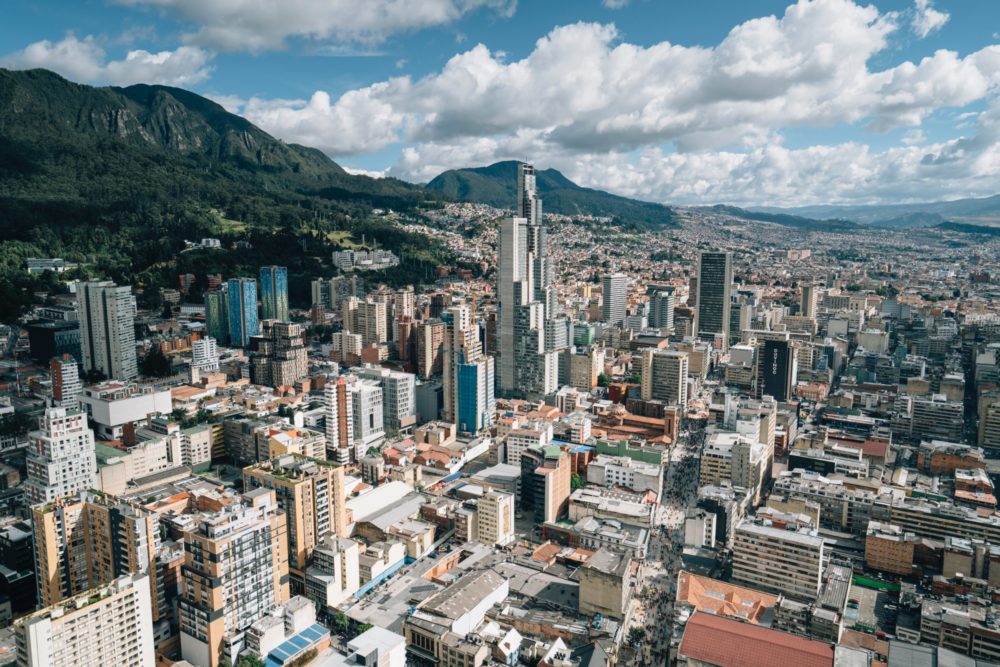
Kenya’s government has acted to address the pandemic through a number of measures that have also significantly curtailed constitutionally guaranteed rights.

As of May 20, 2020, Spain had the second highest per capita rate of COVID-19 deaths in the world, with 59.5 deaths per 100,000.
