Symposium Conclusion: Health Justice: Engaging Critical Perspectives in Health Law & Policy
Collectively with these contributors, we aim to define the contours of the health justice movement and debates within it.

Collectively with these contributors, we aim to define the contours of the health justice movement and debates within it.
The legal profession has not only the ability, but also the responsibility, to address longstanding systemic harms.

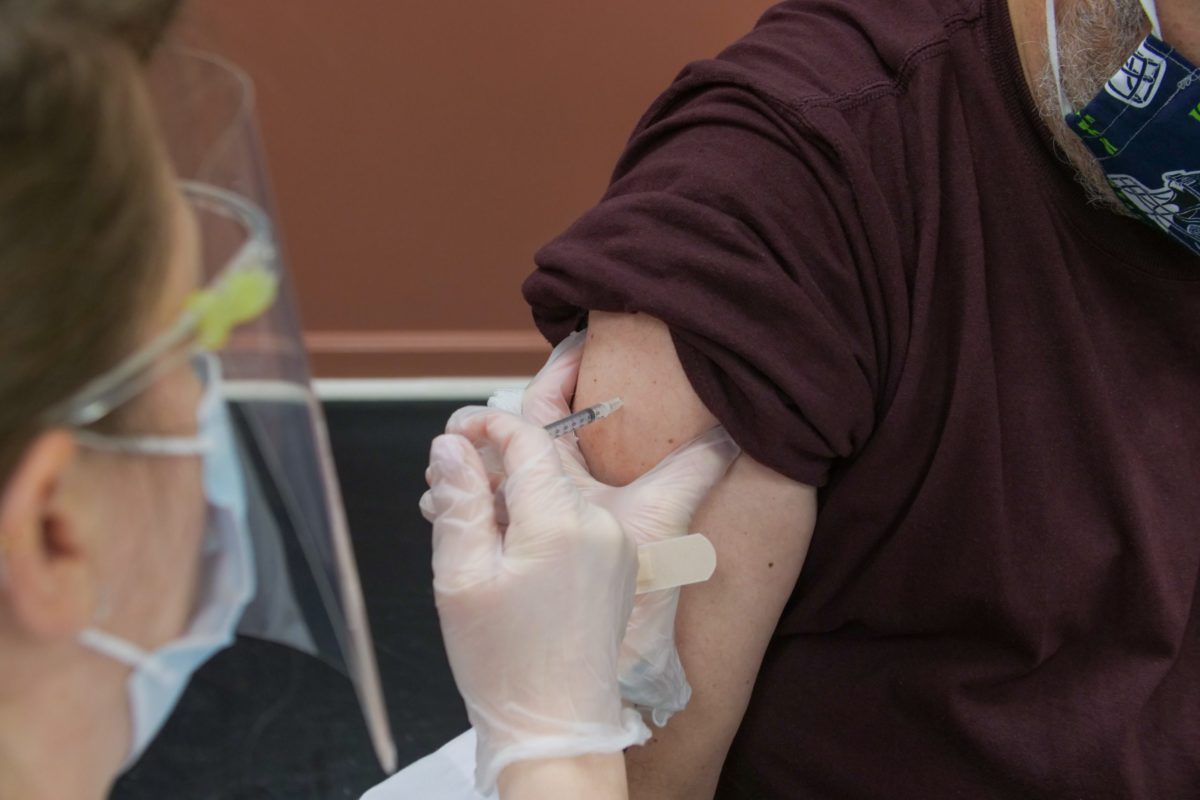
Distributing vaccines equitably at the level of geographical units such as districts or nation-states may obfuscate injustices.
Placing community first and allowing them to drive solutions-based strategies is imperative to the health justice movement.

As the NIH prepares for a massive influx of funding, it must follow through on its commitment to address health research funding disparities.

During the pandemic, community-based organizations filled many gaps by delivering services that local governments could not provide.

It’s time to re-envision and invest in a new public health infrastructure, one that is equipped and authorized to respond to the global crises we’re facing.
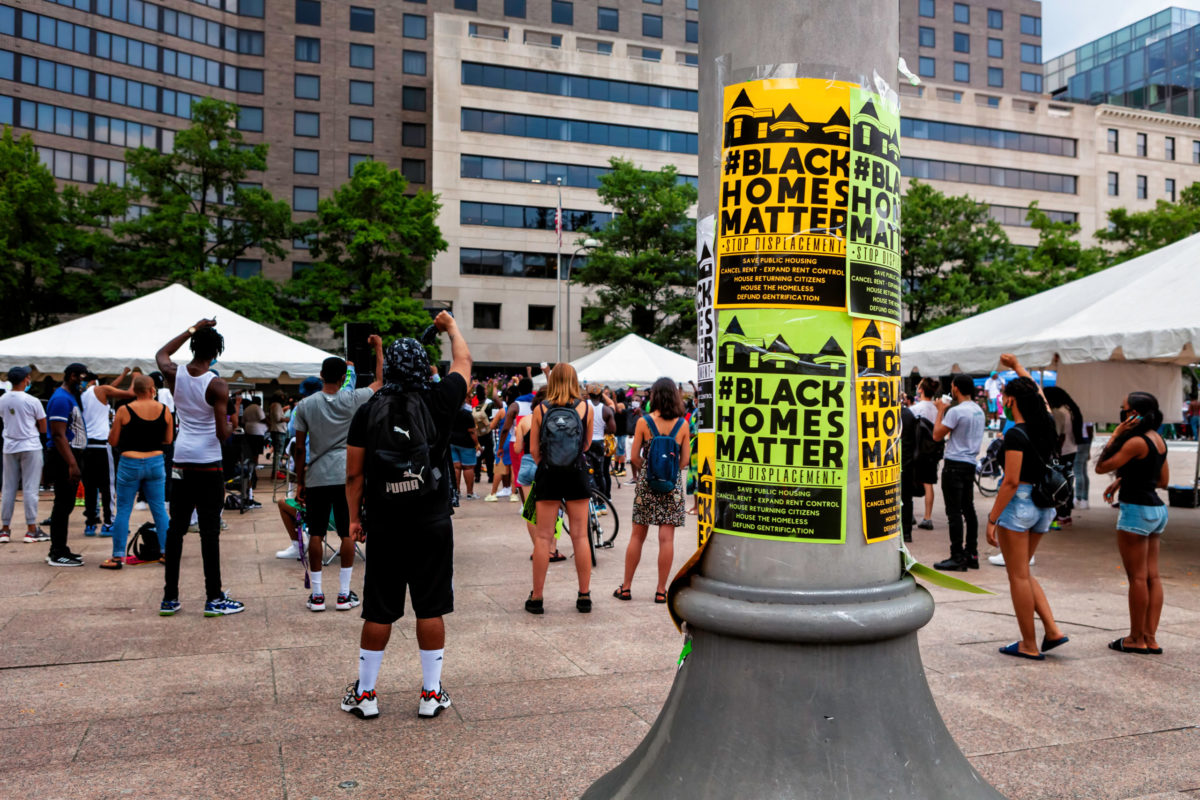
I grew up in the South Bronx, insulated from the absence of health justice until the fourth grade, when I began attending private school.

Researchers and advocates have long-documented the disparate punishment and policing of BIPOC students compared to their white peers.

To us, health justice means change. Not cosmetic or peripheral change, but wide-scale, systemic change.