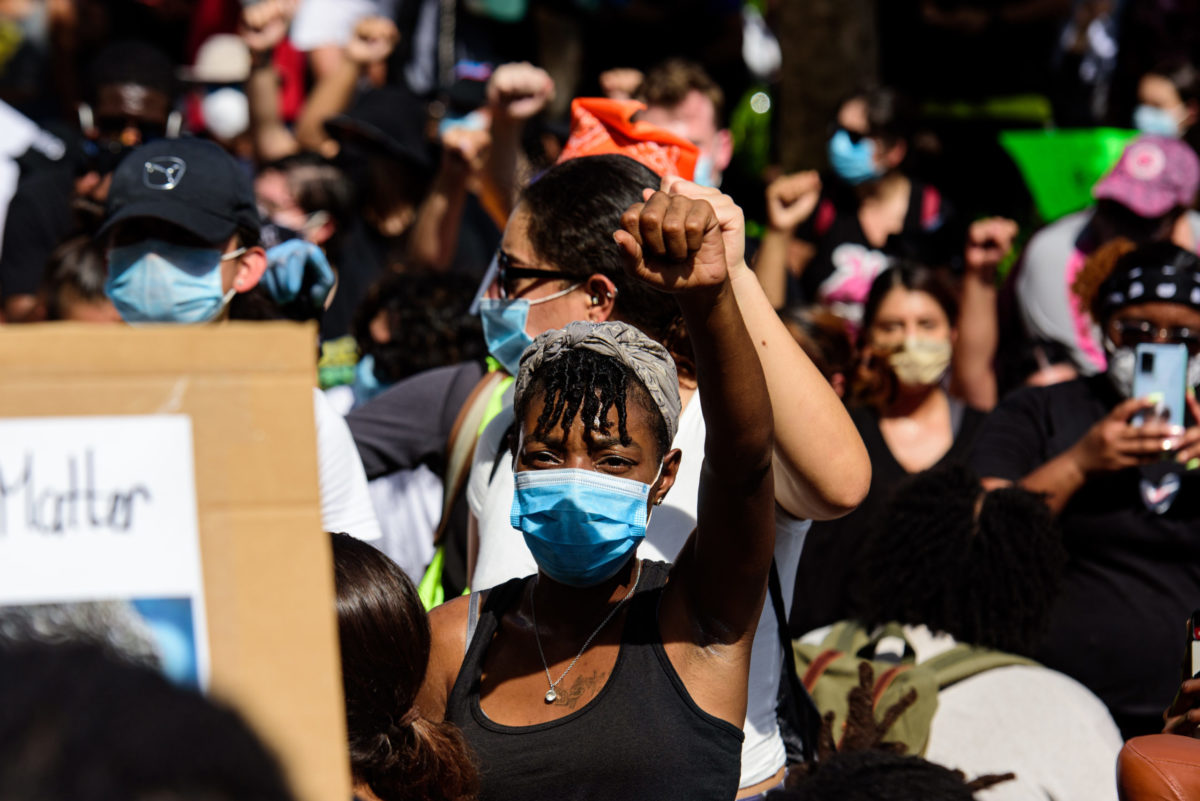
Health Justice: Love, Freedom Dreaming, and Power Building
Every person should be treated as someone who is deeply loved, whose life is valued, and whose maximally healthy presence in the world is invaluable.
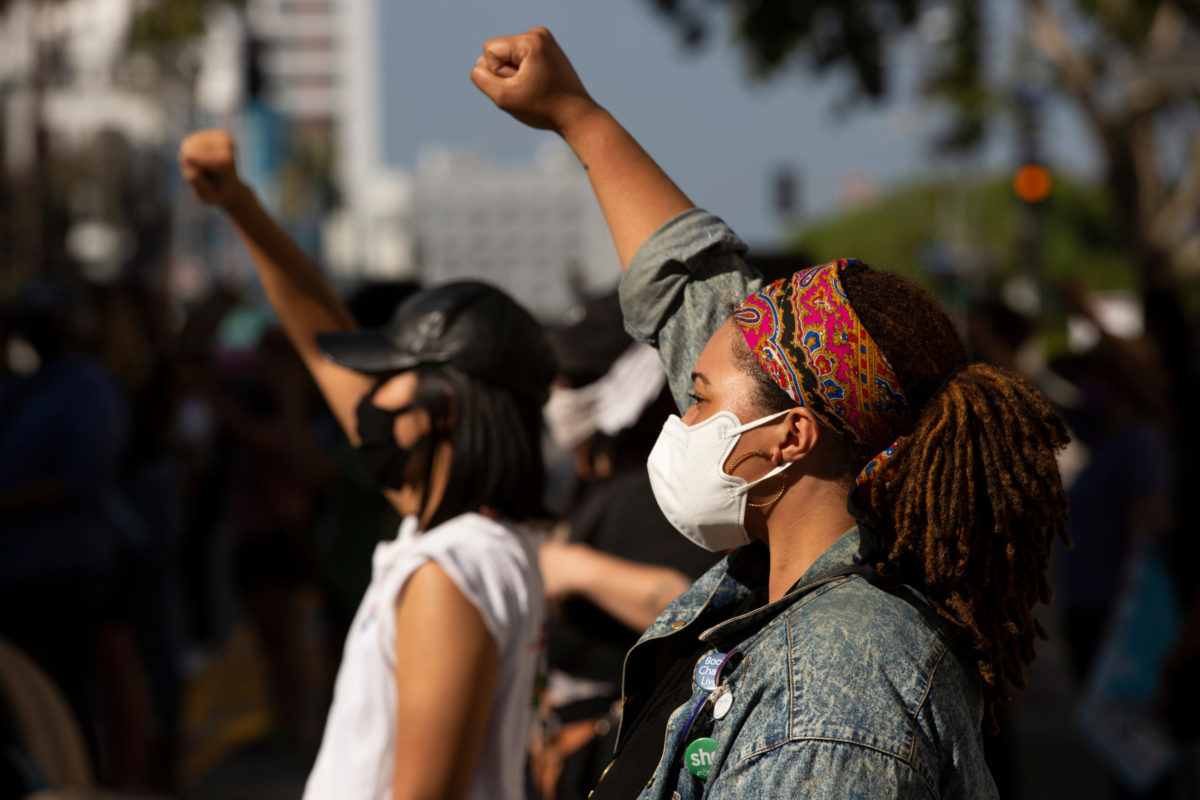
Every person should be treated as someone who is deeply loved, whose life is valued, and whose maximally healthy presence in the world is invaluable.
How might health justice engage health as a community good, and how might communities participate in creating the meanings of health justice?
This symposium explores how scholars, activists, communities, and health officials can use health justice frameworks to achieve health equity.

How can we mitigate biases in AI-based health care? And how can we ensure that AI improves health care, rather than augmenting existing disparities?

What if researchers took more time to harness their power and training to elevate and mobilize the voices of the communities they study?
These legal challenges highlight a narrow — and dangerous — conception of public health held by some courts.

COVID Long Haulers and patient advocates for the chronically ill are forcing an unprecedented recognition for these chronic complex diseases.
The model minority myth is hiding massive health disparities among the large and varying Asian community in the U.S.

Much business model innovation in health care is to move as much care as is feasible to the home. But what does that mean for the homeless?

Health care institutions have a responsibility to move from performative to intentional commitment to diversity, equity, and inclusion.